
 English
  русский
 عربى
عربى
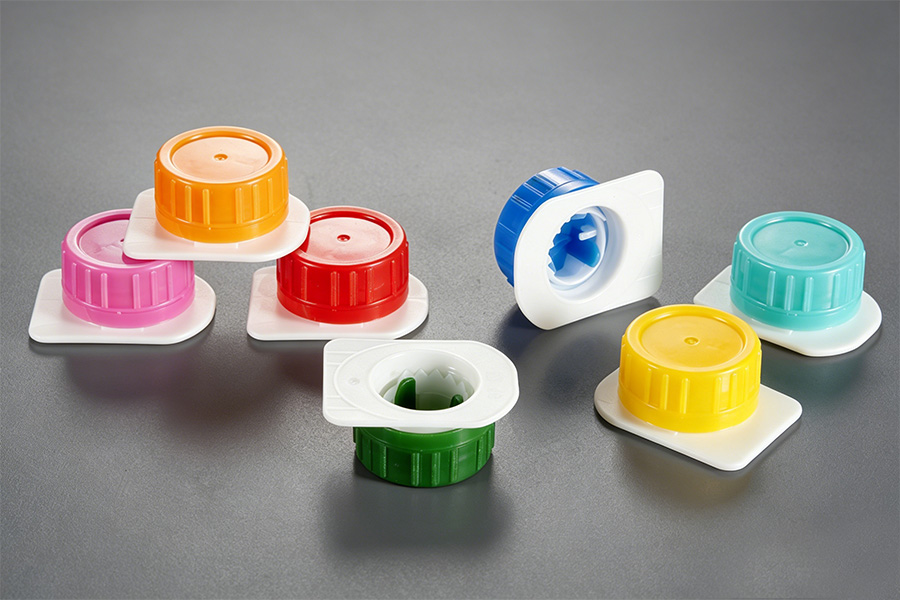
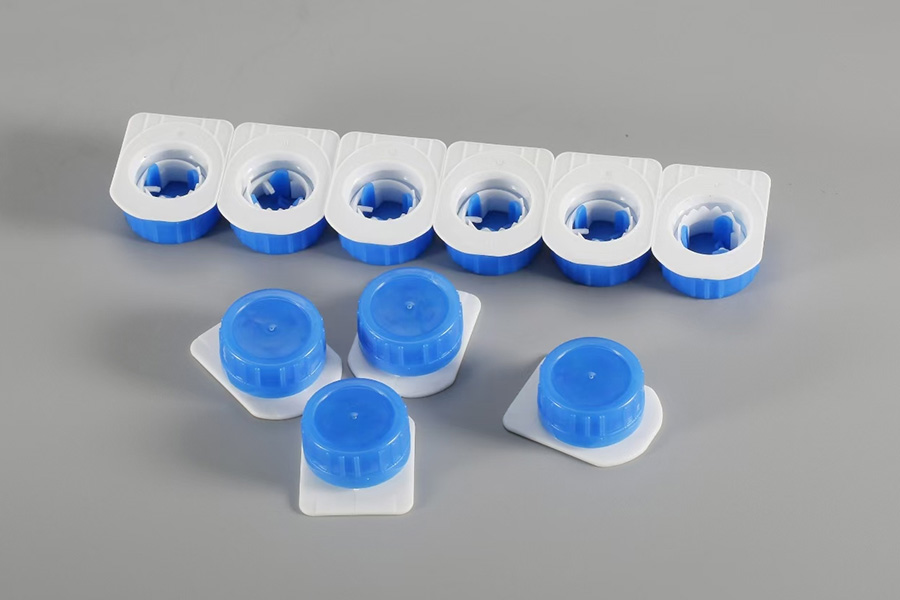
Plastic Bottle Cap & Aseptic Carton Cap OEM/ODM
Home / Product

Most beverage carton failures are not caused by the juice, milk, or coffee inside the carton. They are caused by the cap. HeliCap bottle caps are engineered to solve this problem with a precise threa...
READ MOREOrdering plastic water bottle caps looks straightforward until a new SKU starts leaking in transit or jams the capping turret. In practice, a cap is a precision component: its neck finish, thread ge...
READ MOREA 500 ml aseptic carton of UHT milk can sit unrefrigerated for six months or longer. The paperboard blocks light, the aluminum layer holds back oxygen, and the polyethylene layers fuse the edges into...
READ MOREWhen a beverage brand moves a product from chilled distribution to shelf-stable packaging, the laminate that wraps the liquid often decides whether the switch pays off. Roll-fed aseptic packaging mat...
READ MOREWhen you buy a bottle of water or a carbonated soft drink, the cap is a commodity—functional, standardized, and interchangeable. Dairy carton caps are different. The closure on a milk or yogurt carto...
READ MOREQuick Answer An aseptic carton is a paper based package built from layered paperboard, a thin polyethylene film, and a very thin aluminum foil layer, designed to hold liquid food safely at room temp...
READ MOREA CSD carton cap is a screw-on or tethered closure engineered specifically to hold carbonation pressure inside a paperboard beverage carton without leaking, bulging or blowing off during storage and...
READ MOREThe Short Answer Choose HeliCap when your product is designed to be poured into a cup or glass, and choose DreamCap when your product is meant to be sipped directly from the carton. This single dist...
READ MOREThe short answer PCO 1810 and PCO 1881 are both 28mm screw thread finishes, and they look almost identical to anyone who has not studied the spec sheet. They are not interchangeable. PCO 1810 is th...
READ MOREThree Main Types of Aseptic Carton Caps Screw cap, flip top cap and pull ring cap are the three most common opening systems used on aseptic carton packaging. They differ in how the pour hole is seal...
READ MOREQuick Answer: Flip-Top vs. Screw Cap A screw cap gives you the most reliable seal, the broadest range of standard sizes, and the simplest filling line setup, which is why it remains the default choi...
READ MOREQuick Answer: How Bottle Cap Diameter Is Determined Bottle cap diameter is decided by the neck finish of the bottle, not by visual estimation. 28mm is the standard diameter for most narrow-neck beve...
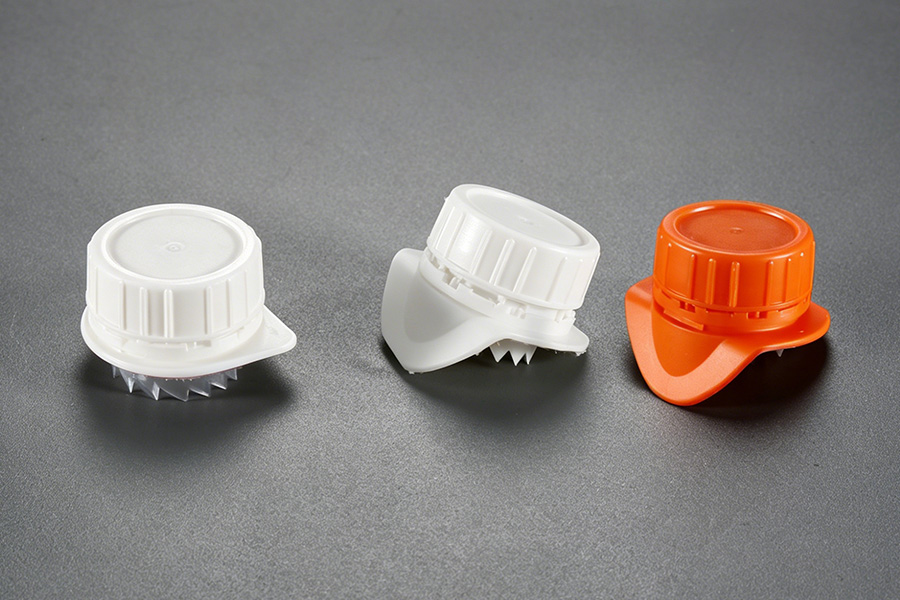
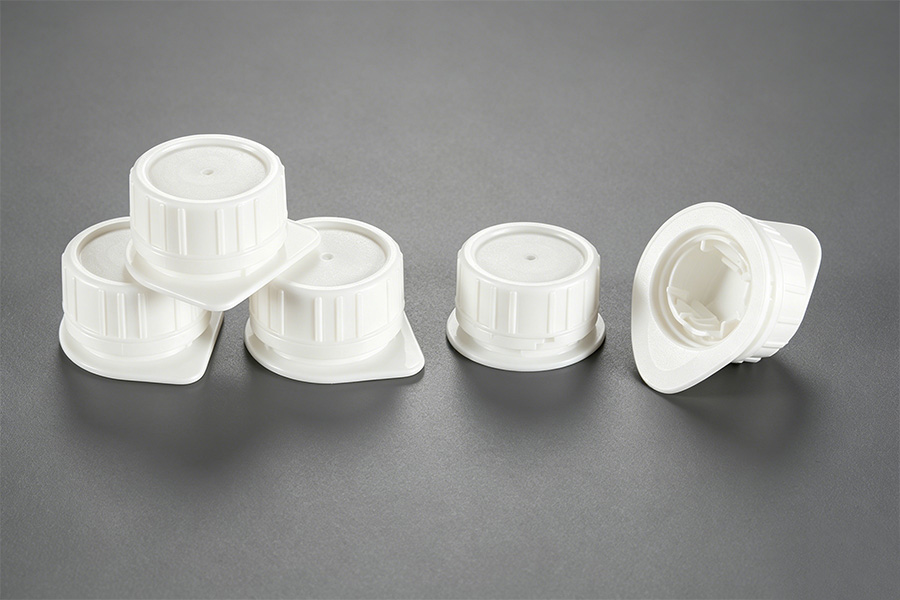
READ MORELile (Taizhou) Technology Co., Ltd is a China based manufacturer covering two connected product lines - plastic bottle caps for water and beverage bottles, and aseptic carton caps used on roll-fed packaging such as Brik, Slim, and Prisma formats. Both lines are produced in-house as a source factory, which allows beverage brands to source caps and closures for different package types from a single OEM/ODM supplier instead of coordinating several vendors.
Our production is organized around two core categories, each built to match a different packaging format found on beverage filling lines.
Screw caps, flip-top caps, sports caps, and tamper-evident closures for PET and other plastic bottle formats, covering water, juice, and other beverage bottling lines.
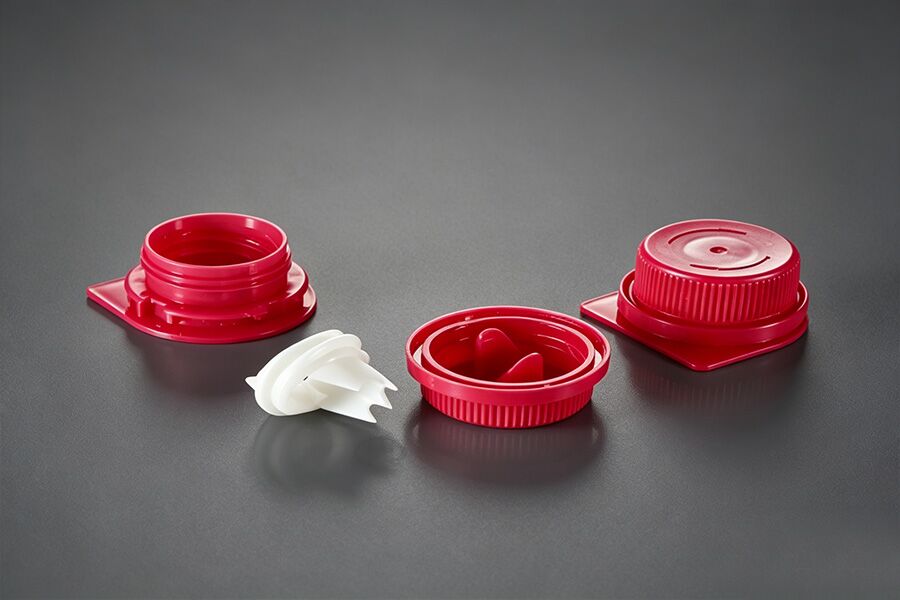
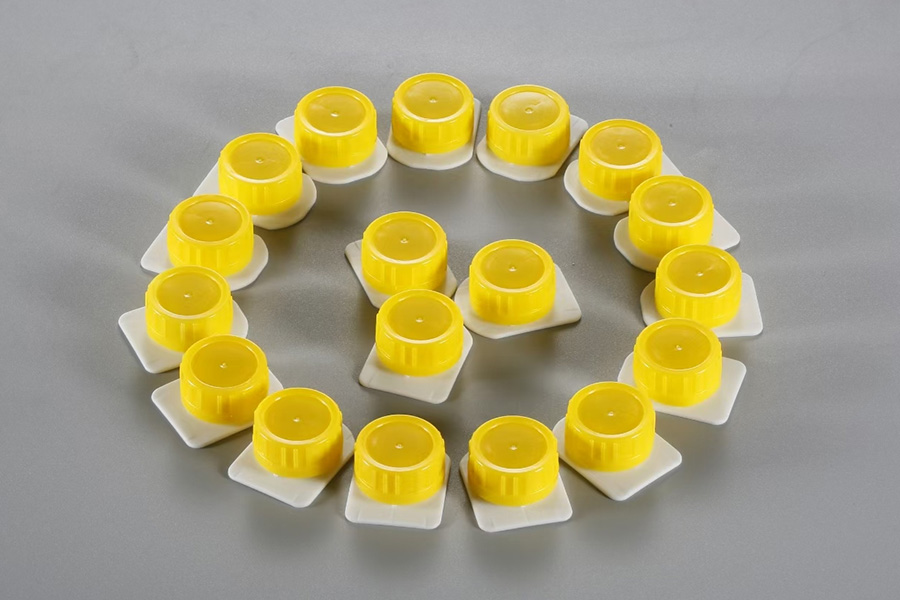
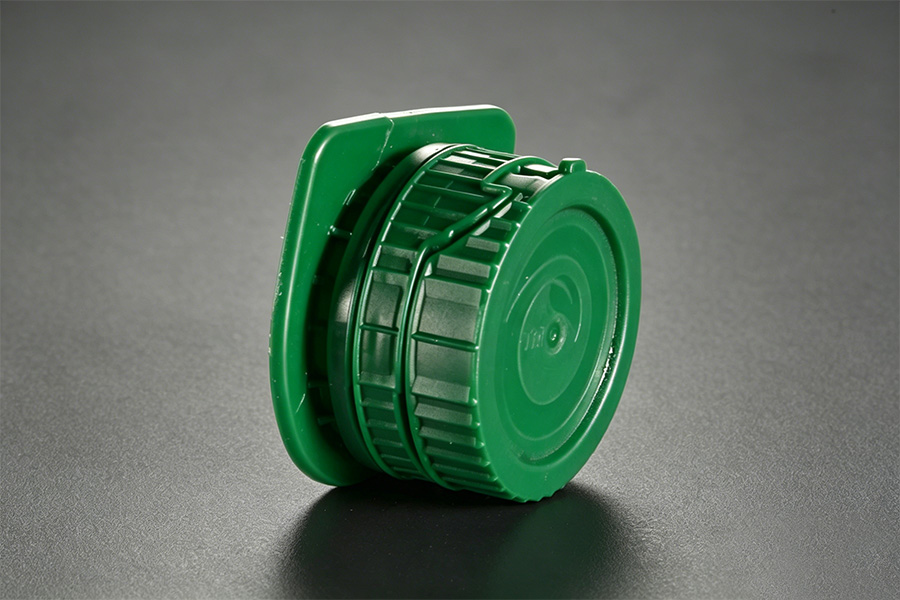
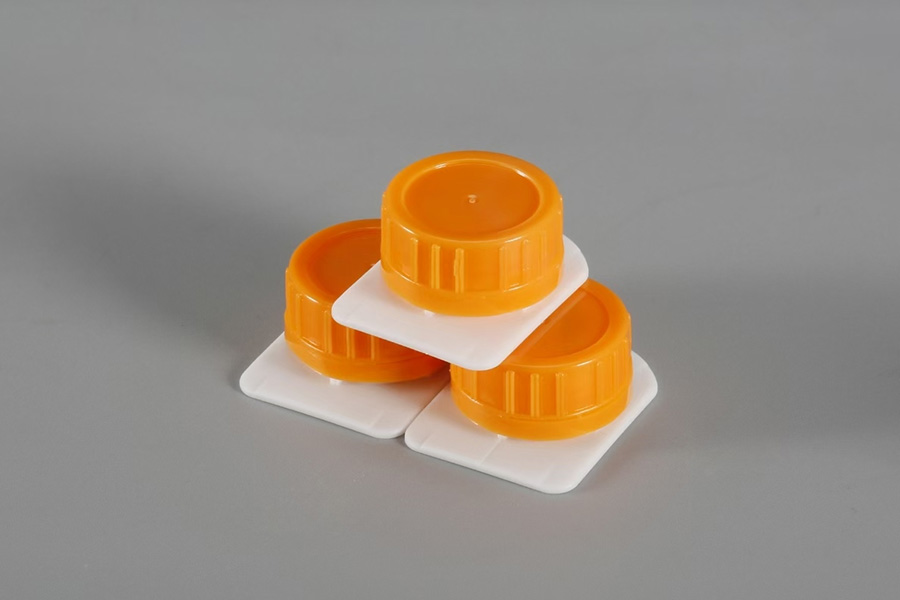
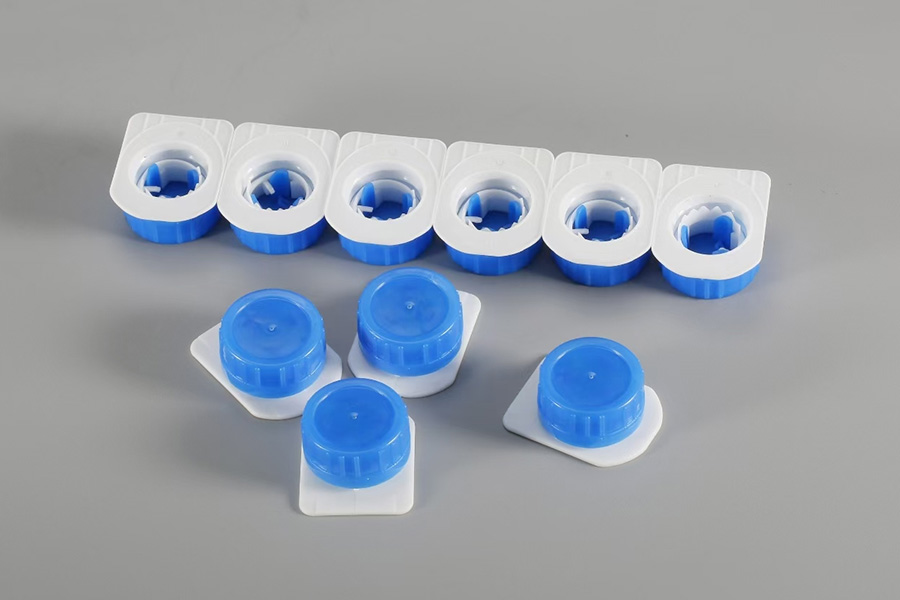
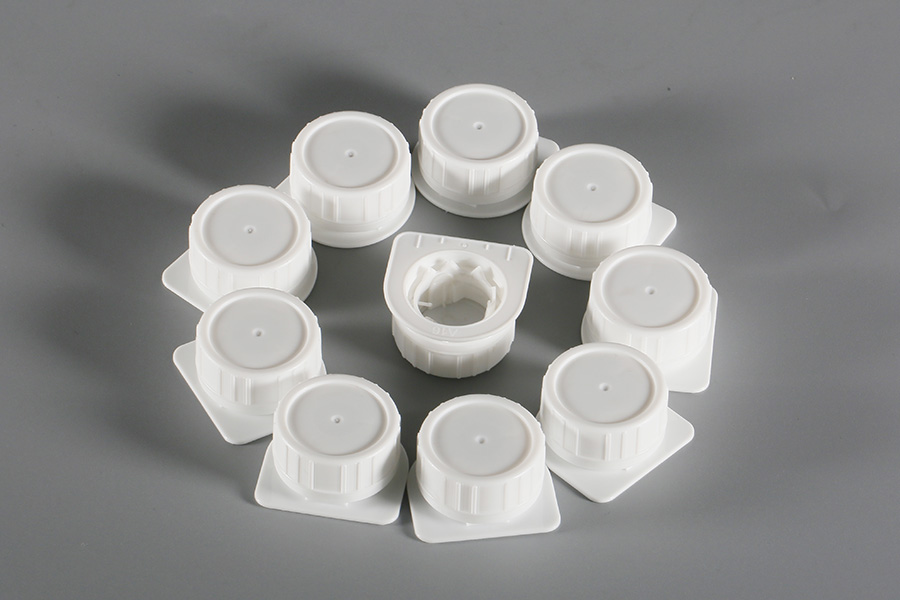
Opening and cap systems matched to roll-fed aseptic packaging formats, produced for compatibility with the customer's existing filling equipment rather than requiring a machine change.
Cap structure changes depending on what the package holds and how consumers use it. The table below outlines general direction across common liquid categories.
| Liquid Category | Common Package Type | Typical Cap Direction |
| Water | Plastic bottle | Screw cap, tamper-evident band |
| Juice and dairy beverages | Plastic bottle or aseptic carton | Wider bore screw cap |
| Tea beverages and RTD coffee | Plastic bottle or slim carton | Standard or lightweight screw cap |
| Sports drinks | Plastic bottle or carton | Flip-top or valve-style cap |
| Sauces and thicker liquid foods | Aseptic carton | Wide mouth opening cap |
Whether the project involves bottle caps or carton caps, most custom development happens around the same set of variables.
As a source factory rather than a trading company, Lile (Taizhou) Technology Co., Ltd keeps mold development, production, and printing under one roof, which shortens the feedback loop when a customer requests a design change or a new opening size.
Mold and tooling development handled internally for new cap sizes and structures.
Samples produced and tested for fit and seal before moving to bulk production.
Production sized for bulk order and wholesale supply, not single-unit retail quantities.
Raw material sourcing and production scheduling coordinated to keep repeat orders on track.
Custom projects, for either bottle caps or aseptic carton caps, generally move through the same sequence of steps.
Provide bottle or carton specifications, filling equipment details, and target volume for a quotation.
Samples are produced to confirm fit, seal, color, and printing before bulk production starts.
Order quantity, packing, and delivery schedule are arranged once samples are approved.
Repeat orders and further customization are managed directly with the factory.
Yes. Both product lines are produced in-house, which allows brands using more than one package type to source caps from a single supplier.
Yes. Cap diameter and structure are confirmed against the customer's current equipment before sampling, with the goal of avoiding an equipment change.
MOQ depends on cap size, color, and printing complexity, and is confirmed during the quotation stage based on the specific project.
Yes. Base color, printed graphics, and brand information can be customized, with print process details confirmed during sample production.
Yes. Samples and small trial orders are available, with production scaled up to wholesale quantities once the design is confirmed.
Water, juice, dairy, tea beverage, RTD coffee, sports drink, and sauce brands are all served, with cap type adjusted to the packaging format.
Yes. ODM development is available for new opening structures and closure mechanisms based on the customer's packaging format and brand requirements.
© Lile (Taizhou) Technology Co., Ltd.
Toudao Town, Taizhou City, Zhejiang Province, China.
liletz@163.com
+8613706571648