

 English
  русский
 عربى
عربى
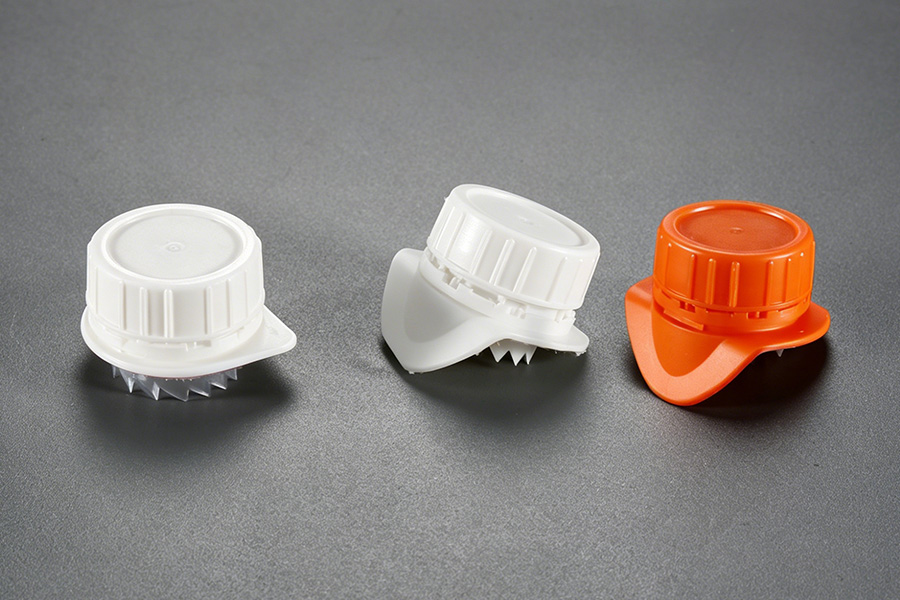
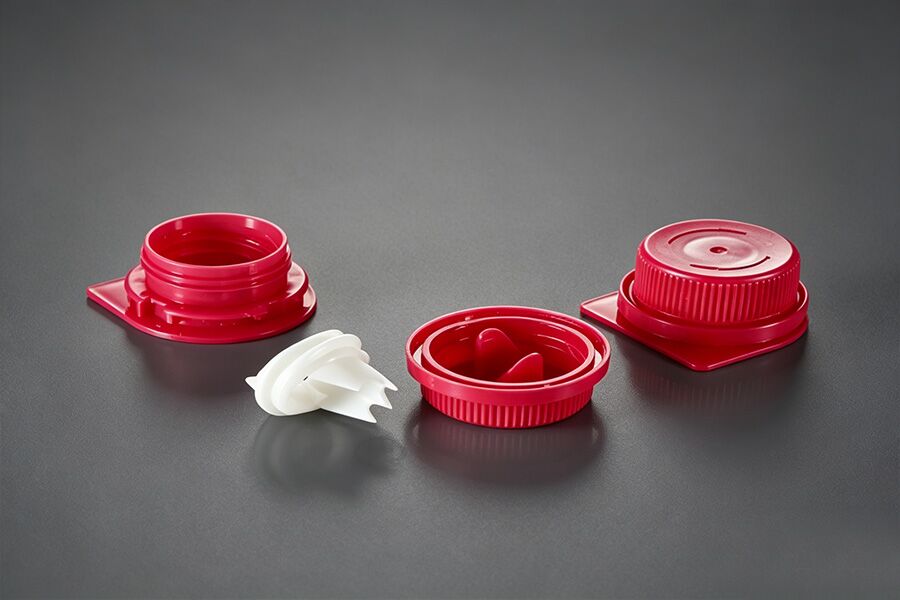
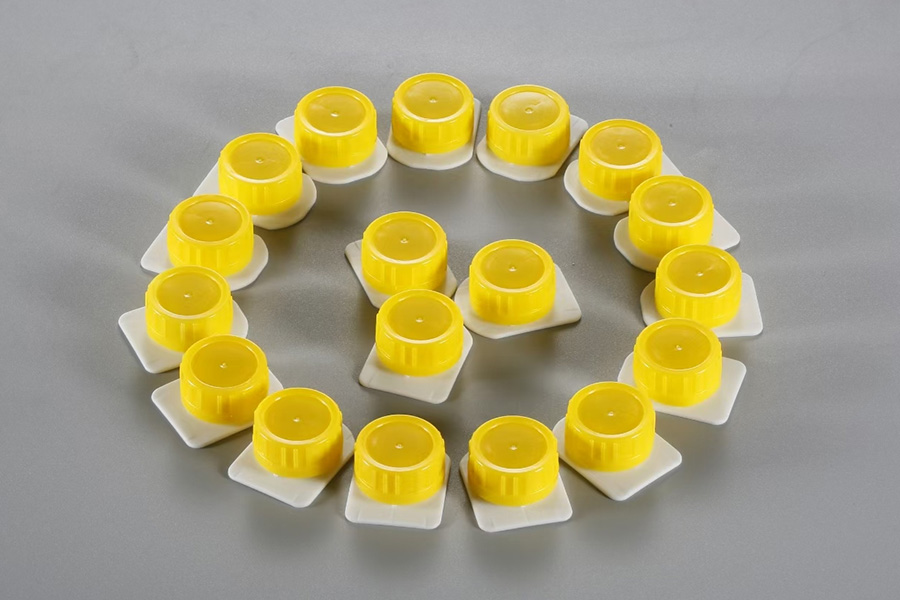
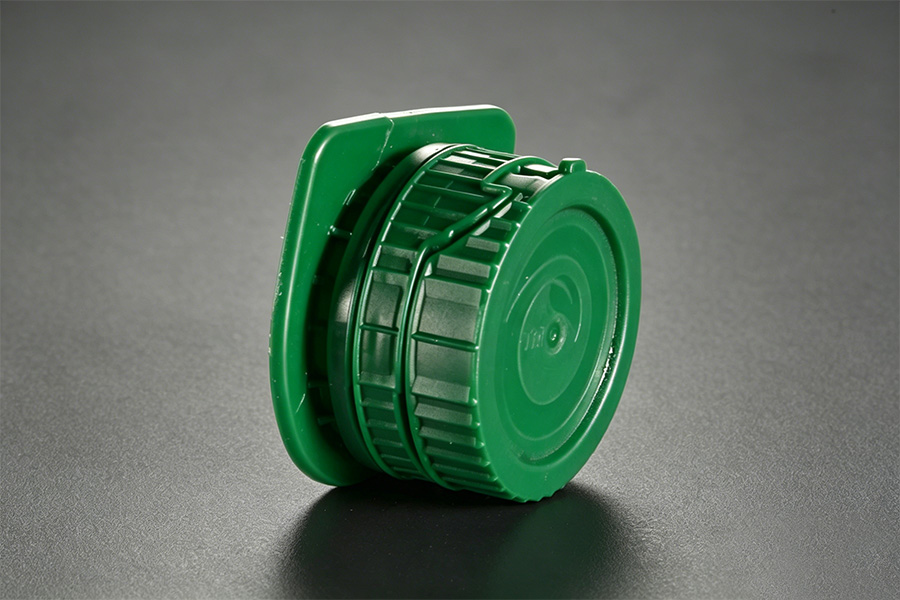
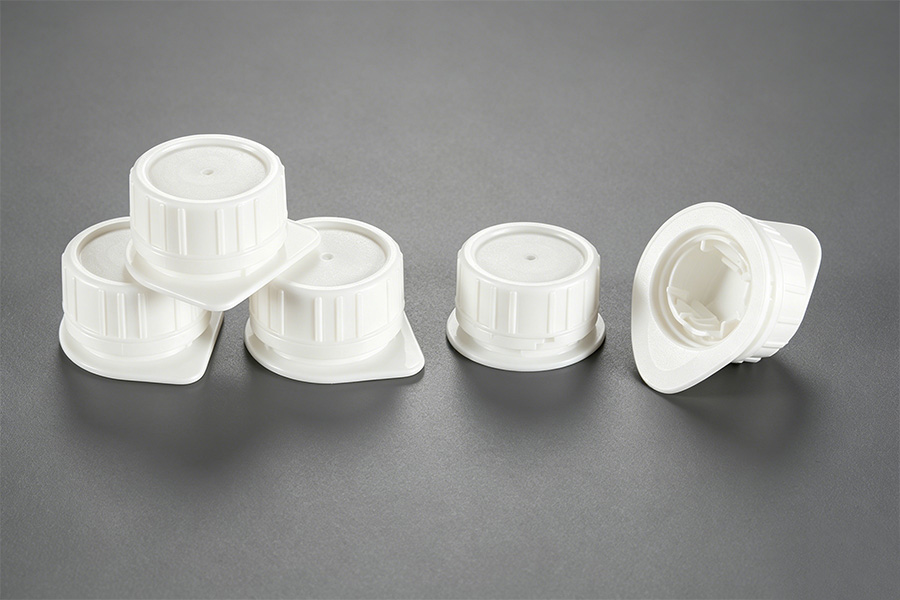
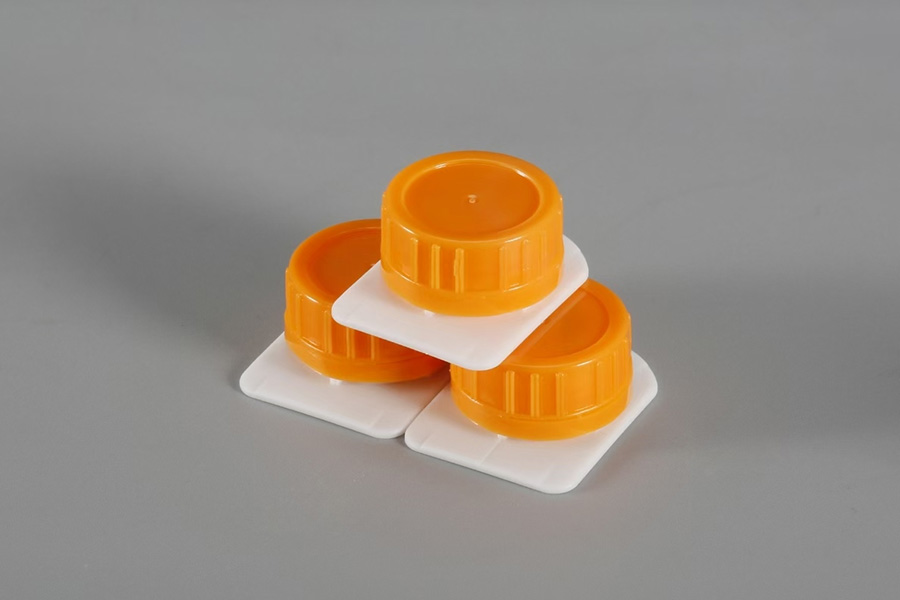
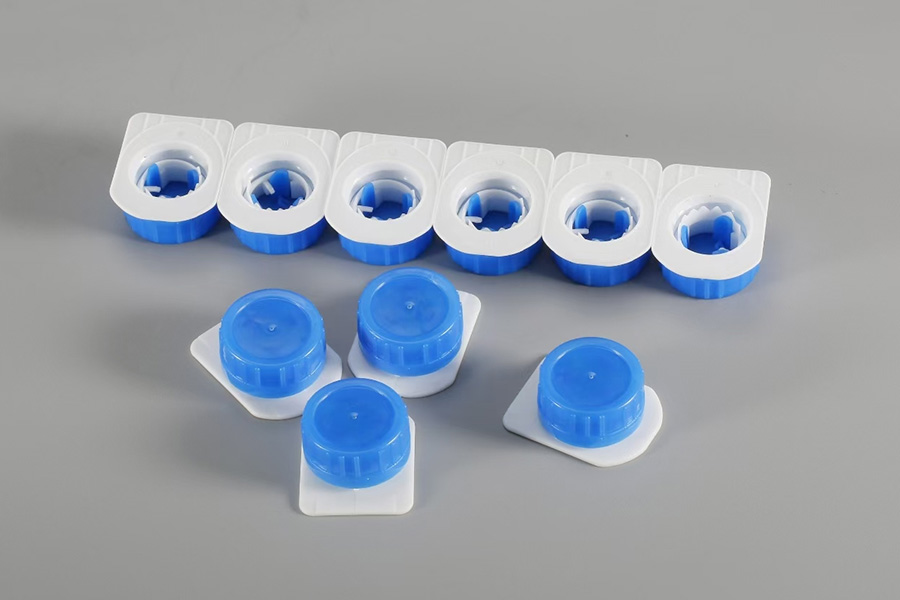
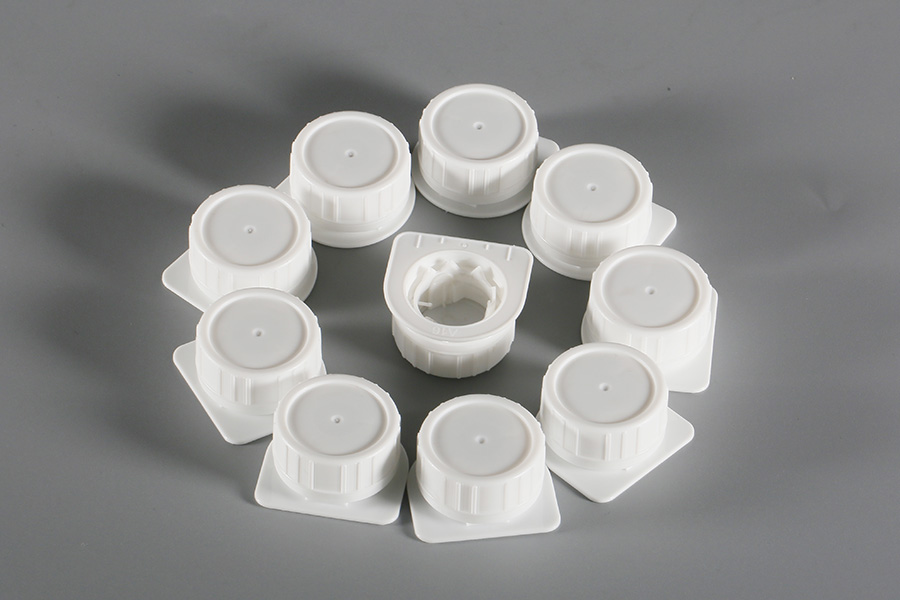
The short version A Prisma carton takes a threaded screw cap that is matched to its spout, and the format name alone does not tell you which cap that is. What decides the fit is four measurements ...
READ MORE
Aseptic Carton Caps
Aseptic Carton Caps Supplier
About

Lile (Taizhou) Technology Co., Ltd.
Established in 1993, we have consistently upheld the core philosophy of "craftsmanship, quality first" and are committed to becoming a leader in the global bottle cap industry. As a China-based OEM/ODM Aseptic Carton Caps supplier and Aseptic Carton Caps factory, we specialize in producing Aseptic Carton Caps. Through continuous technological innovation and material research and development, we provide safe, reliable, environmentally friendly, and highly customized packaging solutions for a wide range of products, including beverages, foods, cosmetics, and pharmaceuticals.
As a professional source manufacturer, we have built a one-stop supply chain system from raw material procurement to production and processing, logistics and distribution, ensuring the precise connection of each link and providing partners with highly stable, timely and adaptable bottle cap solutions.
As a professional source manufacturer, we have built a one-stop supply chain system from raw material procurement to production and processing, logistics and distribution, ensuring the precise connection of each link and providing partners with highly stable, timely and adaptable bottle cap solutions.
Founded in
1993
Year
Product Varieties
30+
Types
Production Capacity
800+
Million Units
Custom-Made for Your Business
We offer comprehensive ODM and OEM services, allowing customers to customize closures to meet their needs and brand requirements. We are committed to providing a seamless collaborative experience, helping customers achieve product uniqueness while maintaining high quality and brand integrity.
GET STARTED
-
1
Select Your ModelSelect the type of closure you want, send us your message and requirements and we will respond with a quote within 24 hours.
-
2
CustomizeWe will complete 3D modeling and prototype verification within 72 hours, while simultaneously testing the structural fit and logo adaptability of the cap.
-
3
Receive Your OrderWe carry out strict quality control during production. Once your order is complete, we will conduct a full inspection and ship the products to your specified address.
OEM&ODM
Rapid Response Channel for Bottle Cap Customization
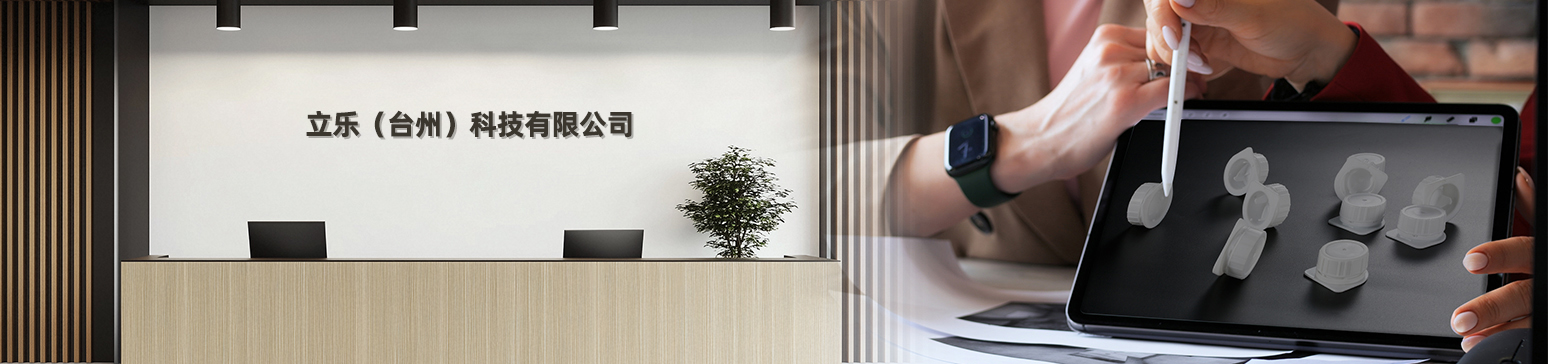
As a professional bottle cap manufacturer, we are committed to providing customers with professional bottle cap customization solutions. Customers can customize specifications, sizes and materials according to their own needs. At the same time, our professional team provides relevant technical support. We meet customer needs through flexible customization solutions and rich industry experience.
Blogs
-
-
Stelo carton caps are the one-step opening screw closures fitted to premium aseptic carton packages, the shelf-stable cartons used for UHT milk, juice, plant-based drinks, and increasingly coffee and...
READ MORE -
A 28mm tamper evident cap performs well when it is matched to the correct bottle finish, applied within a controlled torque window, and molded with consistent bridge and band dimensions. Get those t...
READ MORE -
You pick up a bottle of water, twist off the cap, take a sip, and put it back in your bag. That cap seems like a minor component, but it determines whether the bottle leaks, whether the water stays f...
READ MORE -
When a new batch of 28mm plastic caps reaches a bottling line, the test run can fail within minutes. The caps look right and measure close to 28mm, but they stall in the capping chute, sit slightly h...
READ MORE
Aseptic Carton Caps Industry knowledge
What Are Aseptic Carton Caps
An aseptic carton cap is the plastic closure fitted onto an aseptic paperboard carton, giving the consumer a controlled opening and reclosing point after the carton has already been sealed during aseptic filling. Lile (Taizhou) Technology Co., Ltd. manufactures aseptic carton caps for beverage, dairy and food brands, covering rotary and flip type opening systems compatible with the carton formats most commonly used across the industry.
Why Aseptic Cartons Need a Purpose Built Cap
In an aseptic carton system, the paperboard laminate itself is the main barrier that keeps oxygen, light and microorganisms out of the product. The cap has a different job. It has to open cleanly at the same point every time, reseal well enough to protect what is left inside, and match the applicator on the filling line without slowing the process down. When any of these three fail, the result is usually the same complaint from a different angle, leakage in transit, a cap that will not reseal properly after the first use, or a batch that does not fit the applicator and stops the line.
The right cap also depends on how the product is actually consumed. A family size juice or dairy carton is opened and closed many times over several days, so reseal strength matters more than opening speed. A single serve tea or coffee carton is usually opened once and finished quickly, so a fast, one hand opening motion matters more. A carbonated soft drink carton has to hold internal pressure without the cap loosening on its own, which is a different engineering problem from a still beverage. This is why a single generic cap design rarely performs well across an entire product range, and why cap selection is usually treated as a packaging engineering decision rather than a simple parts purchase.
How to Choose a Reliable Aseptic Carton Cap Supplier
Sourcing an aseptic carton cap is different from sourcing a generic plastic part, because the cap has to work correctly on day one and keep performing the same way across every batch afterward. Buyers across the industry generally look at a few things before committing to a supplier.
Testing and quality control. A supplier should be able to show how each batch is checked, not just how the first sample performed. Sealing, torque and leakage testing are standard checks across the industry, and carbonated products add pressure testing on top of that, since gas retention is a separate engineering question from a still beverage.
Engineering and customization capability. Carton necks, applicators and opening preferences vary by brand and by region, so a supplier limited to a fixed catalog cannot always match a specific line. The ability to adjust color, printing, opening size and even mold design for a new project is usually a sign of in house tooling rather than outsourced production.
Supply consistency. A cap that performs well in a lab test but arrives late or inconsistent from batch to batch creates more risk than it solves. Buyers typically look for a track record of stable output and the flexibility to respond when order volume or timing changes.
Communication and technical support. Because cap fitment issues usually only show up once production starts, being able to reach a technical contact quickly, rather than going through a general sales channel, tends to matter more than buyers expect before their first order.
Lile (Taizhou) Technology Co., Ltd. is built around these same points, with in house tooling, batch level testing and a technical team that supports customers directly rather than through a middleman.
Opening Systems We Support
Aseptic carton caps generally fall into two mechanical families, rotary opening caps that twist off and reseal by threading, and flip type caps that open with a hinge. We produce both.
| Model | Type | Typical Use |
| Helicap 23 | Rotary | Standard size opening for everyday beverage cartons |
| Helicap 23 Pro | Rotary | Enhanced reseal performance for repeated opening and closing |
| Helicap 27 | Rotary | Wider opening for faster pouring or thicker liquids |
| Helicap 27 Pro | Rotary | Wider opening combined with reinforced sealing performance |
| StreamCap 27 | Rotary | Wide flow opening suited to family size and multi serving cartons |
| DreamCap | Flip | One hand, single motion opening for on the go drinking |
| DreamCap Pro | Flip | Flip opening with improved reclose and tamper evidence |
| Mini DreamCap | Flip | Compact flip cap for single serve and children's portions |
Carton Formats We Are Compatible With
Whether a new cap fits your existing carton neck and applicator is usually the first question on a buyer's mind. Our caps are engineered to match the major standard carton formats used across the industry.
| Format | Capacity Range | Typical Application |
| Brik | 100 ml to 1000 ml | Milk, juice, dairy and family pack cartons |
| Rex | 458 ml | Specialty beverage packaging |
| Prisma | 250 ml to 1000 ml | Premium juice, dairy and on the go beverages |
| Slim | 125 ml to 1500 ml | Children's drinks, student drinks and portable beverages |
| Gemina | 1000 ml | Family packs and shelf stable drinks |
| Base / 100B | 80 ml to 250 ml | Small format single serve drink packs |
Categories We Supply
Our standard range covers the following categories, each produced with an opening system and material suited to how the product is filled, stored and consumed.
Juice
Fruit juice, NFC juice, juice drinks and vegetable juice blends
Fruit juice, NFC juice, juice drinks and vegetable juice blends
Dairy
UHT milk, flavored milk, yogurt drinks and plant based milk such as oat or soy
UHT milk, flavored milk, yogurt drinks and plant based milk such as oat or soy
CSD
Sparkling juice, flavored soda and sparkling water blends
Sparkling juice, flavored soda and sparkling water blends
Tea Beverage
RTD black tea, green tea, herbal tea and tea based drink bases
RTD black tea, green tea, herbal tea and tea based drink bases
RTD Coffee
Iced coffee, latte style drinks and cold brew coffee
Iced coffee, latte style drinks and cold brew coffee
Sports Drink
Electrolyte drinks and isotonic functional beverages
Electrolyte drinks and isotonic functional beverages
Sauce and Liquid Food
Tomato sauce, soup, broth, condiments and liquid egg products
Tomato sauce, soup, broth, condiments and liquid egg products
Beyond this standard range, we also develop custom caps for emerging beverage formats such as functional waters, wellness shots and low alcohol RTD drinks, as well as closures for non beverage liquid products including household and personal care liquids, through our custom manufacturing service. Customization can cover opening size, material, color, printing, logo placement and tamper evidence style, so the cap matches both your carton design and your specific industry requirements.
Why Buyers Choose Lile (Taizhou) Technology Co., Ltd
Precision Mold Technology
High precision molds keep the cap and carton neck tightly matched, reducing the leakage and looseness issues common in the industry.
High precision molds keep the cap and carton neck tightly matched, reducing the leakage and looseness issues common in the industry.
One Stop Supply Chain
Raw material sourcing, production and logistics are managed under one roof for stable, on time delivery.
Raw material sourcing, production and logistics are managed under one roof for stable, on time delivery.
Full Traceability
Raw materials, manufacturing technique and quality checks are recorded for every batch we produce.
Raw materials, manufacturing technique and quality checks are recorded for every batch we produce.
Fast Response
Priority production support is available when your order timeline or supply chain is under pressure.
Priority production support is available when your order timeline or supply chain is under pressure.
Every cap we produce goes through internal sealing, torque and leakage testing, with additional pressure testing for CSD applications, and food contact certification is available for the materials we use. We keep this process consistent across every order so the caps that reach your line perform the same way the samples did.
Custom Development, Samples and Trial Orders
If your project needs a specific color, printing, logo or opening size, our team can develop it to match your carton design and filling line. Samples are available on request so you can evaluate fit and sealing performance yourself, and we accept small trial orders so you can validate a new cap on your own production line before committing to a full scale run.
Frequently Asked Questions
What is the difference between a rotary cap and a flip top cap
A rotary cap twists open and reseals by threading, which suits products opened and closed multiple times. A flip top cap opens with a hinge in one motion, which suits quick, single serve drinking.
Are there other opening styles besides rotary and flip top
Pull ring caps are also used in the industry, mainly for single serve portions where strong tamper evidence matters more than resealing, since the ring tears a foil or film membrane on first use.
What material are aseptic carton caps made from
Most aseptic carton caps are made from food grade PP or PE resin, chosen for its stability, low migration and compatibility with common sterilization and filling processes.
Does the cap affect the shelf life of the product
The carton laminate provides the main barrier, but a poorly sealed or poorly fitted cap can still let air in after opening, which is why reseal performance is part of our quality checks.
Why do CSD cartons need a different cap design
Carbonated drinks build internal pressure, so the cap needs stronger torque retention to stay sealed without loosening, which is why we run separate pressure testing for CSD applications.
How is the right cap size matched to a carton neck
Cap size is determined by the carton neck diameter and the applicator already installed on the filling line, so we engineer the cap to your existing specifications rather than asking you to change equipment.
Can caps be produced in custom colors or with branding
Yes. Color, printing and logo placement can be customized to match your carton design and brand identity.
Can I get a sample before placing an order
Yes. Samples are available so you can evaluate fit and sealing performance before confirming your order.
Do you support customization for new product formats
Yes. Beyond our standard range, we take on custom engineering for new or emerging beverage and liquid food formats as they come to market.
Can I place a small trial order first
Yes. We accept small trial orders so you can validate the cap on your own filling line before scaling up to full production.
Contact
Let's Work Together
© Lile (Taizhou) Technology Co., Ltd.
Stay in Touch
Toudao Town, Taizhou City, Zhejiang Province, China.
liletz@163.com
+8613706571648
Website
