

 English
  русский
 عربى
عربى
CSD Carton Caps Manufacturer
The short version A Prisma carton takes a threaded screw cap that is matched to its spout, and t...
READ MORE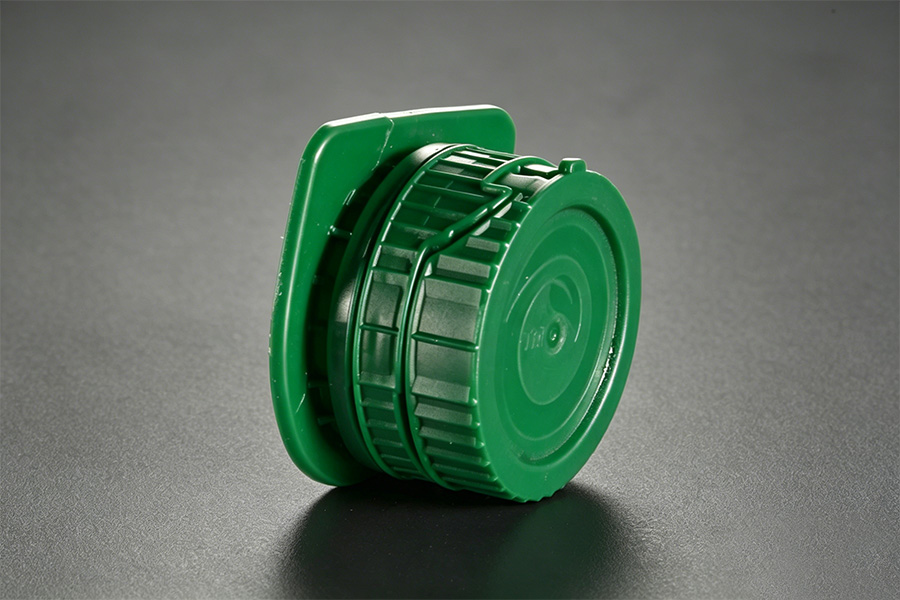
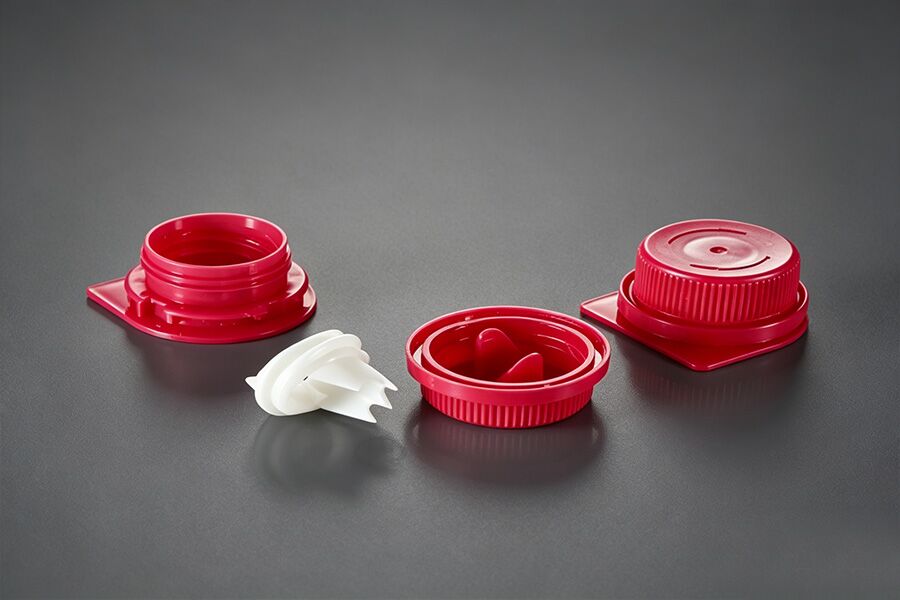
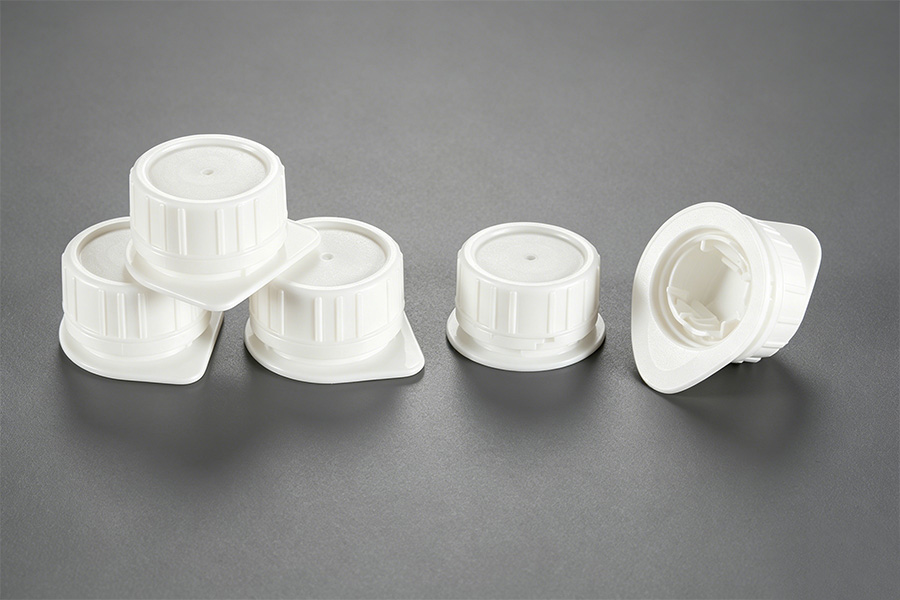
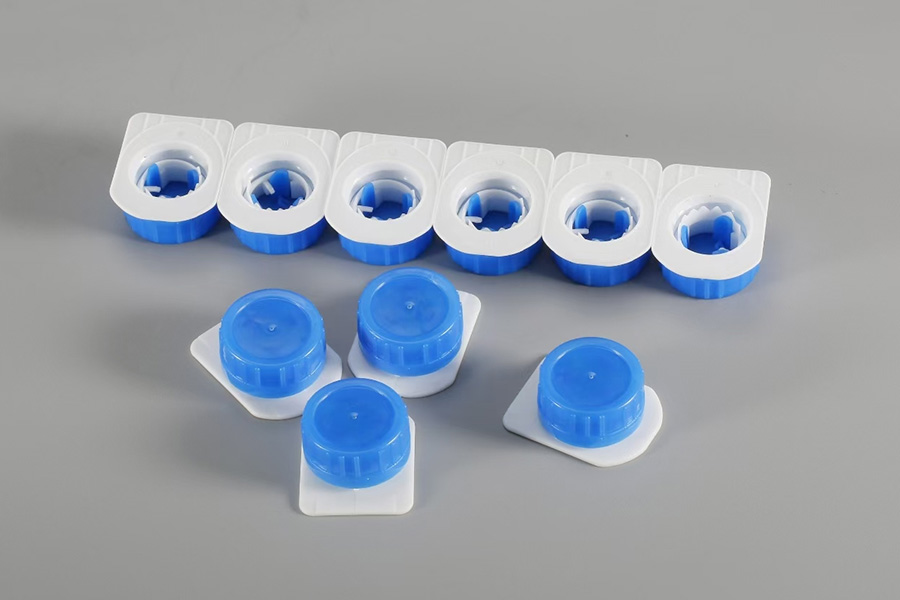
This CSD carton cap is developed for beverage projects where gas retention and sealing reliability are important. The cap design can be reinforced in wall thickness, sealing lip elasticity, and thread engagement according to the customer's carton spout and filling process. For carbonated applications, pressure resistance must be validated by actual filling-line and storage testing before commercial use.
| Product Image | Model Name | Size |
 |
brik | 500ml |
 |
rex | 458ml |
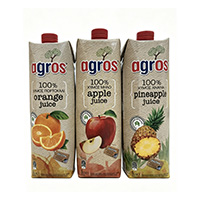 |
prisma | 1L |
 |
slim | 1L |
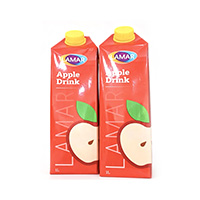 |
gemina | 1L |
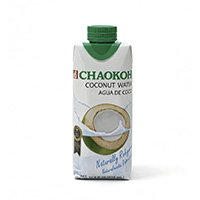 |
prisma | 330ml |
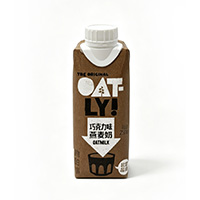 |
prisma | 250ml |
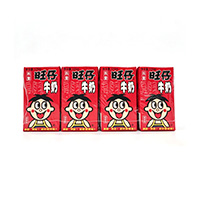 |
slim | 125ml |
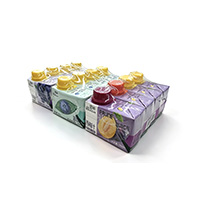 |
brik | 100ml |
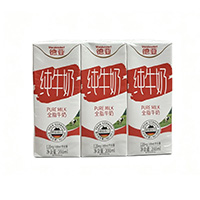 |
slim | 200ml |
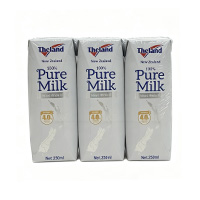 |
prisma | 250ml |
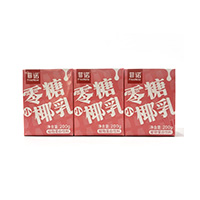 |
brik | 200ml |
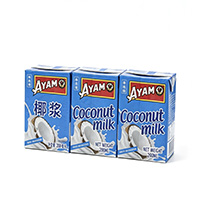 |
brik | 250ml |
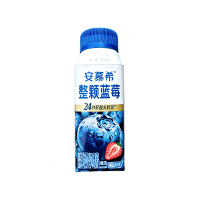 |
top | 200ml |
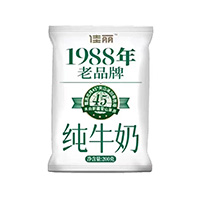 |
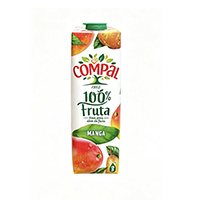
fino | 200ml |
 |
stelo | 1L |
The short version A Prisma carton takes a threaded screw cap that is matched to its spout, and t...
READ MOREStelo carton caps are the one-step opening screw closures fitted to premium aseptic carton packages...
READ MOREA 28mm tamper evident cap performs well when it is matched to the correct bottle finish, applied w...
READ MOREYou pick up a bottle of water, twist off the cap, take a sip, and put it back in your bag. That cap...
READ MORELile (Taizhou) Technology Co., Ltd works as a CSD carton caps manufacturer, developing closures for carbonated soft drinks, soda water, and sparkling juice projects packed in aseptic cartons. Gas retention changes the entire design brief compared to a still beverage cap, since the seal has to hold internal pressure rather than just keep liquid from spilling.
A cap built for water or juice is not automatically ready for a carbonated fill. Internal gas pressure pushes outward against the thread and sealing lip continuously, not just during handling, which is why wall thickness, sealing lip elasticity, and thread engagement all get reviewed together for CSD projects rather than treated as separate details.
Exact pressure performance is not something a spec sheet alone can guarantee. It gets validated through testing on the customer's actual filling line and through storage testing before a CSD carton caps order moves into commercial production.
These three points are reviewed together rather than one at a time, since strengthening only the wall while leaving thread engagement unchanged still leaves a weak point in the seal.
Highest gas retention priority, so thread engagement and sealing lip contact are usually reviewed most closely for this category.
Simpler liquid composition but similar pressure demands, with reinforced wall thickness as the main structural focus.
Combines gas retention needs with juice-related sealing considerations, so structure is confirmed against both factors together.
| Carton Format | Typical Volume | Confirmation Needed |
| Base 100B | 100 ml | Spout drawing and pressure test |
| Slim | 125 to 330 ml | Spout drawing and pressure test |
| Fino | 200 to 330 ml | Spout drawing and pressure test |
| Brik | 200 to 500 ml | Spout drawing and pressure test |
| Prisma | 330 to 500 ml | Spout drawing and pressure test |
Diameter, thread profile, and cap height still need drawing-level confirmation for CSD projects, and pressure behavior is checked on top of that fit, not as a substitute for it.
Every cap Lile (Taizhou) Technology Co., Ltd develops is built to run on the customer's actual filling production line, and CSD projects add one extra checkpoint on top of the usual structural confirmation: pressure behavior under real filling and storage conditions.
Share cap series, carton format, and volume for a quotation within 24 hours.
3D modeling and sample verification within 72 hours, checking cap-to-spout fit and logo compatibility.
Full inspection after production, shipped within the agreed timeframe.
© Lile (Taizhou) Technology Co., Ltd.
Toudao Town, Taizhou City, Zhejiang Province, China.
liletz@163.com
+8613706571648
