
 English
  русский
 عربى
عربى
Industry News
Home / Blogs / Industry News / Stelo Carton Caps Explained: One-Step Openings, Torque, and Sourcing Tips
Content
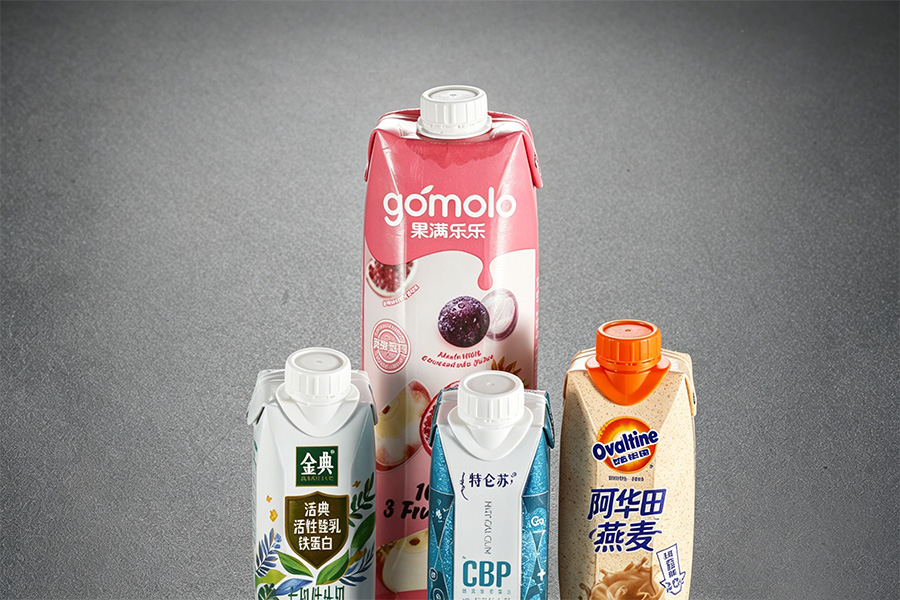
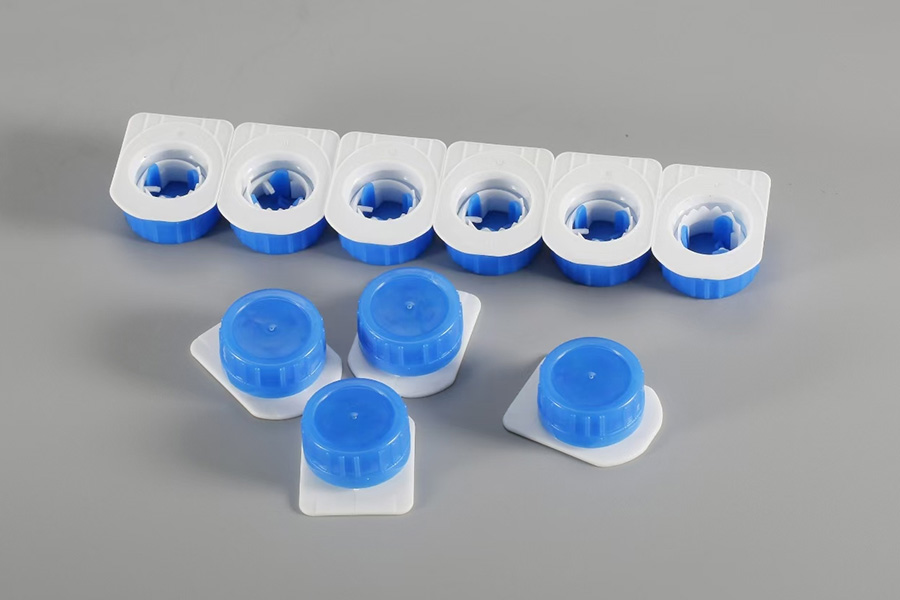
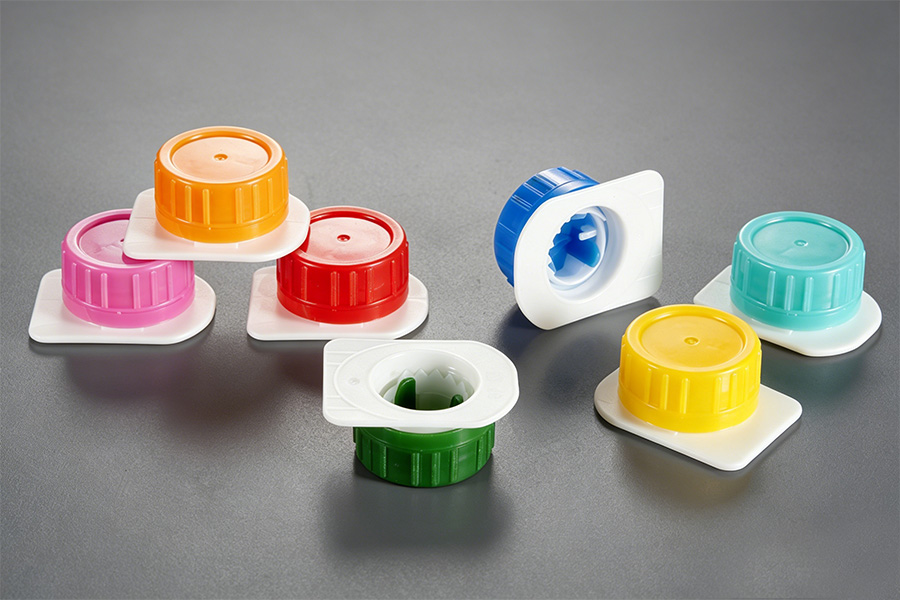
Stelo carton caps are the one-step opening screw closures fitted to premium aseptic carton packages, the shelf-stable cartons used for UHT milk, juice, plant-based drinks, and increasingly coffee and tea. Their defining feature is a single twisting motion that breaks the internal foil seal and opens the pour aperture in one action, most commonly through an opening of about 30 mm, after which the cap screws back down to reseal the pack. For buyers, the decisions that actually matter are technical: which aperture and opening torque suit your consumers, whether the cap geometry matches your carton sleeve and applicator, and whether the design satisfies tethered-closure rules in your export markets.
A Stelo-style aseptic carton is a laminated paperboard package with an aluminum foil barrier, filled and sealed under sterile conditions so its contents keep for months without refrigeration. The cap is not an accessory bolted onto the sleeve; it is an engineered closure system bonded to a prepared opening in the package wall. Inside the cap sits the food-contact sealing film that preserves sterility after the filling line has processed the pack; outside sits a polypropylene body with a thread designed to survive repeated open-and-reclose cycles without stripping or leaking.
In supplier catalogs and trade articles, closures in this family are usually discussed under specific design names — HeliCap, DreamCap, and WingCap are the ones you will encounter most often — but they share one engineering logic: the consumer completes the opening in a single twist, with no separate foil lid to peel first. That difference sounds minor, and it is precisely why these caps carry a price premium. Removing the peel step removes the most common consumer complaint about carton packaging, and it also removes a contamination point between the foil and the drink.
For the underlying acceptance criteria — aperture geometry, film lamination, torque windows — this overview of what makes a cap suitable for aseptic carton packaging walks through them in detail.
Carton closures fall into three working families, and knowing where one-step screw caps sit among them makes the price conversation with suppliers much faster.
| Feature | One-Step Screw Cap | Two-Step (Foil Plus Screw Cap) | Flip-Top Spout Cap |
|---|---|---|---|
| Consumer action | Single twist opens film and cap together | Peel the foil lid, then unscrew the cap | Flip the spout open, then pour or squeeze |
| Typical pour aperture | Commonly around 30 mm | Smaller apertures are typical | Narrow spout |
| Reclose after use | Screw reclosure | Screw reclosure | Snap reclosure |
| Perceived value | Premium ambient packs | Standard ambient packs | Kids' drinks and portion packs |
| Main watch-outs | Needs precise film lamination and torque control | Extra consumer step; loose foil lid | Slower pour for thicker drinks |
One detail helps when comparing quotations: in many naming schemes the number attached to a carton closure indicates the pour aperture in millimeters, so a 30-class opening pours noticeably faster than a 23-class one. Faster is not automatically better. Thin drinks such as iced tea tolerate a wide, fast pour, while a milk-based coffee benefits from a steadier flow that will not glug or splash. Match the aperture to the liquid, not to the catalog headline.
The closure logic stays constant across beverages; what changes is the liquid. Aperture size, film specification, and torque are matched to viscosity, acidity, and who does the opening.
UHT milk, cream, and dairy-based drinks depend on reclosure reliability, because an opened carton typically returns to the refrigerator several times. Low opening torque matters as well, since families with children and older consumers form the core dairy audience. A cap that requires a hard twist, or that weeps at the thread after reclosing, generates complaints long before the stated shelf life expires.
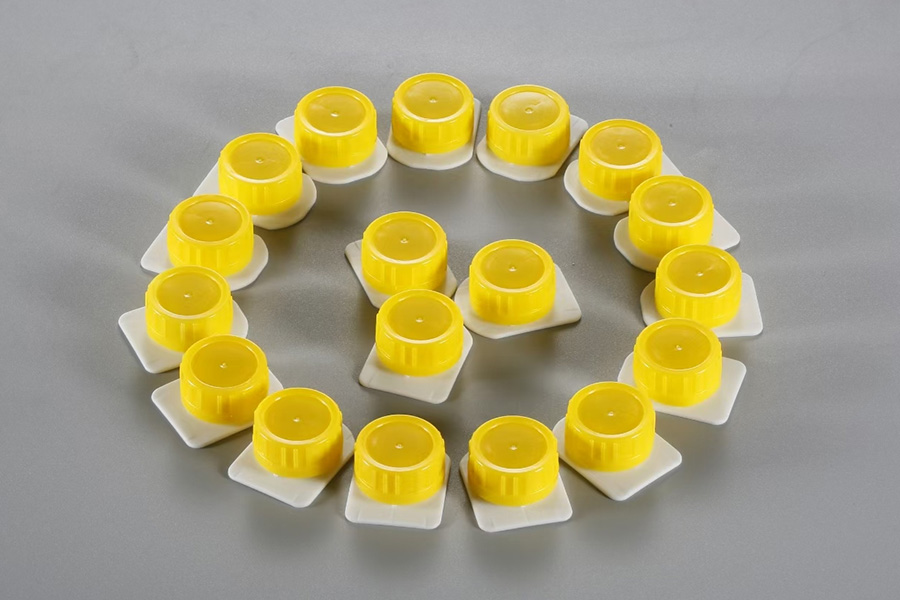 Screw Caps for Dairy Carton PackagingFood-grade PP caps with sealing lip for UHT and pasteurized milk cartons, offering reliable reclosure, low opening torque, and leak-free storage.View Product →
Juice adds acidity to the sealing equation. Polypropylene itself is unaffected, but the sealing film and its interface with the cap must withstand acidic contents over months of ambient storage. Pour control is the second consideration: children pour their own juice, and a wide aperture without a steady-flow design glugs and drips at exactly the moment an adult is not holding the carton.
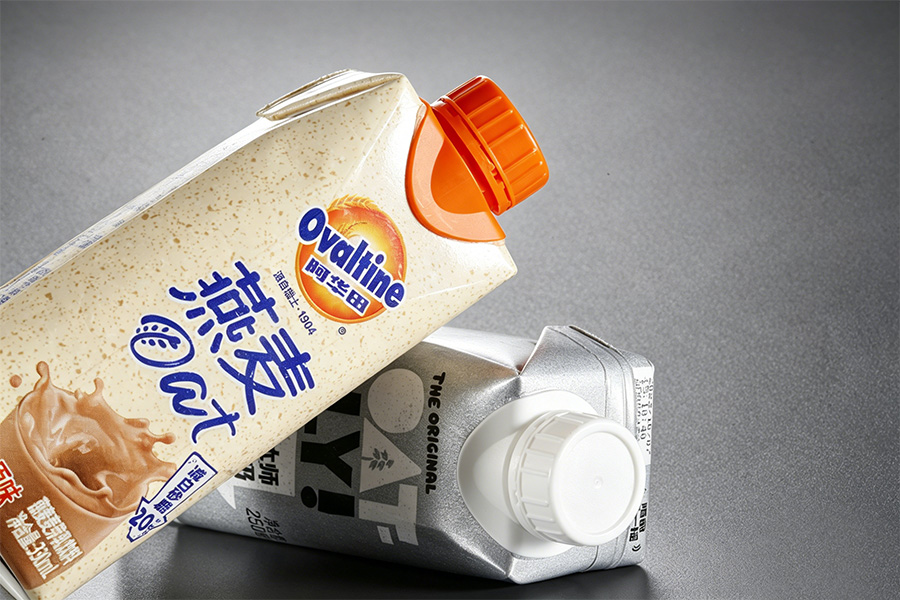 Easy-Open Caps for Juice CartonsAcid-resistant PP screw caps with controlled pour and stable sealing, suited to aseptic juice filling and child-friendly opening torque across common carton formats.View Product →
Ready-to-drink coffee and tea are the fastest-growing users of premium carton formats, and their packaging carries visible brand weight. These drinks are frequently milk-based, so buyers typically pair a controlled pour aperture with an integrated foil-sealed closure to protect flavor through long ambient distribution.
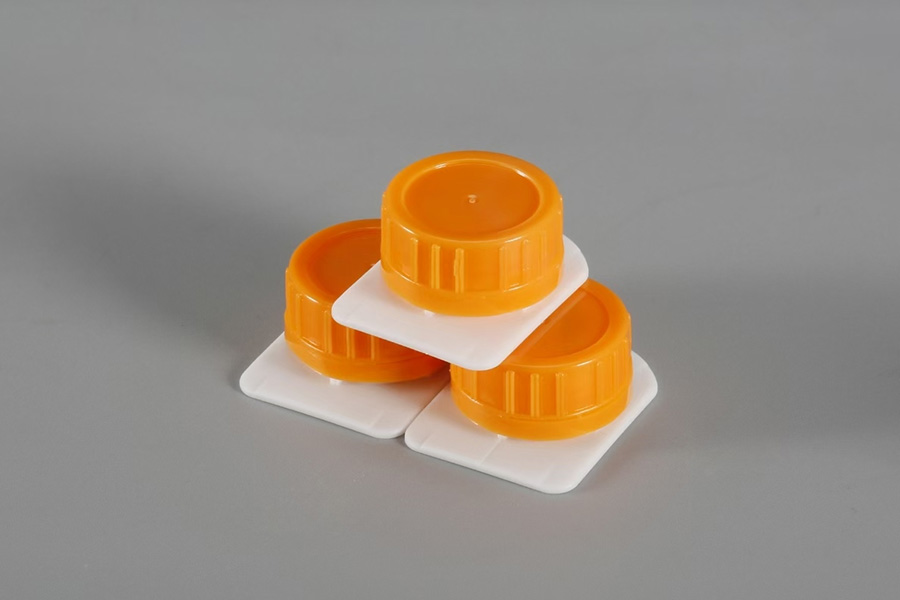 Caps for RTD Coffee CartonsHigh-temperature-resistant PP closures with oxygen-barrier sealing and large-flow pour options, protecting aroma in milk-based coffee through ambient distribution.View Product →
Sports drinks, tea beverages, and even sauces follow the same pattern — the aperture and film are tuned to the liquid rather than chosen from a generic catalog.
Sourcing caps for aseptic cartons is a line-matching exercise more than a shopping exercise. The four steps below reflect how experienced packaging buyers de-risk the decision.
The regulatory direction is settled: under the EU Single-Use Plastics Directive, plastic caps and lids must remain attached to their containers after opening, and similar rules are advancing in other markets. Carton packages follow a different transition timeline than plastic bottles, but the design consequence is the same — buyers should now specify stay-on cap systems as the default for any new launch, not as a later retrofit.
Sustainability pressure also shows up in material choices. Polypropylene remains the workhorse for these closures because it threads cleanly, tolerates ambient distribution, and sits comfortably in existing recycling streams. Lightweighting the cap body is where most of the environmental gain currently comes from, since the closure is a small part of the package but a visible part of its plastic footprint.
Are Stelo carton caps the same thing as DreamCap or HeliCap?
They belong to the same engineering class — one-step screw closures for aseptic cartons. Stelo refers to the carton package platform, while HeliCap, DreamCap, and WingCap are specific closure designs used across aseptic carton formats. When suppliers quote you, ask which package and aperture each cap is validated for rather than relying on names.
What does the 30 in a 30 mm carton cap mean?
It refers to the pour aperture diameter in millimeters. A wider aperture pours faster but is harder to control for thin or milky drinks, so the right value depends on viscosity and on who handles the pack.
Can the same cap serve both dairy and juice products?
Often yes, when the carton format and filling line are shared. The variable is usually the sealing film specification, which must match the product's acidity and intended shelf life, so confirm film compatibility per recipe rather than assuming one film covers everything.
How do I test whether a supplier's cap fits my line?
Provide the carton specification and applicator details, then request trial quantities for a live run. Measure opening torque, application reject rates, and post-transport leak performance. Any supplier unwilling to support a line trial should be removed from your list early.
If you have any questions, please fill out the contact form at the bottom of the page and contact us.
© Lile (Taizhou) Technology Co., Ltd.
Toudao Town, Taizhou City, Zhejiang Province, China.
liletz@163.com
+8613706571648