

 English
  русский
 عربى
عربى
RTD Coffee Carton Caps Manufacturer
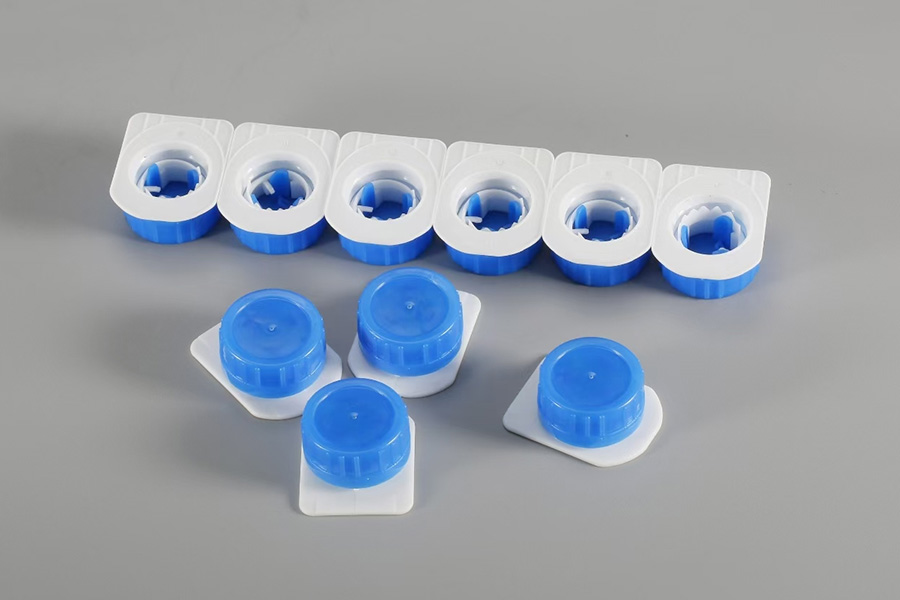
The short version A Prisma carton takes a threaded screw cap that is matched to its spout, and t...
READ MORE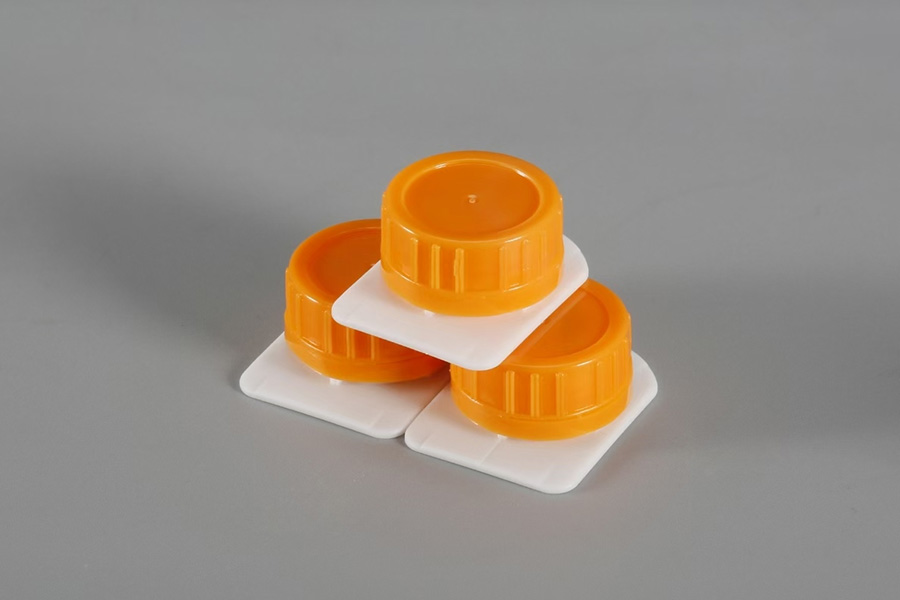
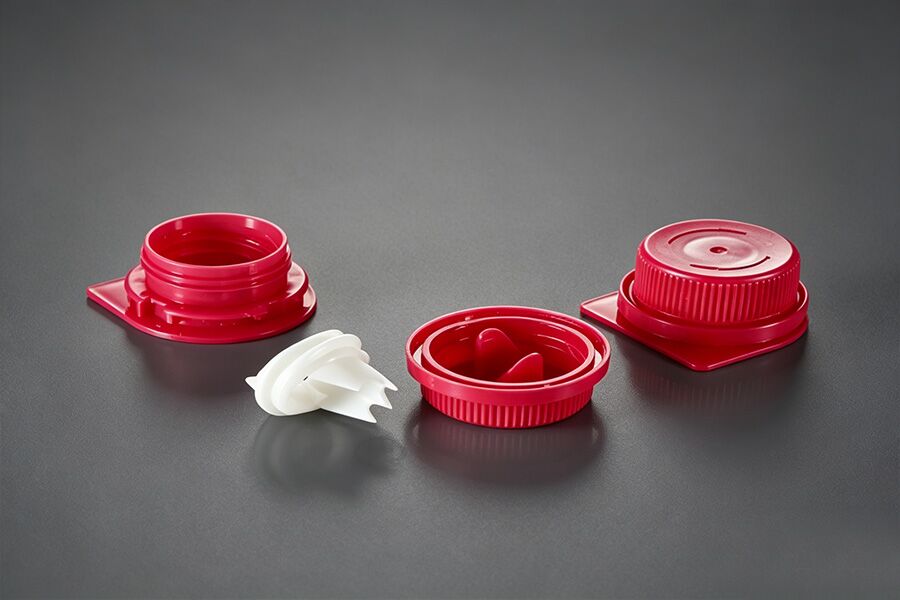
This series of caps is specifically designed for aseptic carton packaging of ready-to-drink (RTD) coffee products such as latte, black coffee, and flavored coffee, with particular focus on preserving coffee aroma and ensuring smooth pouring for high-viscosity, milk-based formulas (such as latte and mocha). The caps must not only provide reliable sealing but also withstand high-temperature processing such as pasteurization or aseptic filling, while offering a good opening experience.
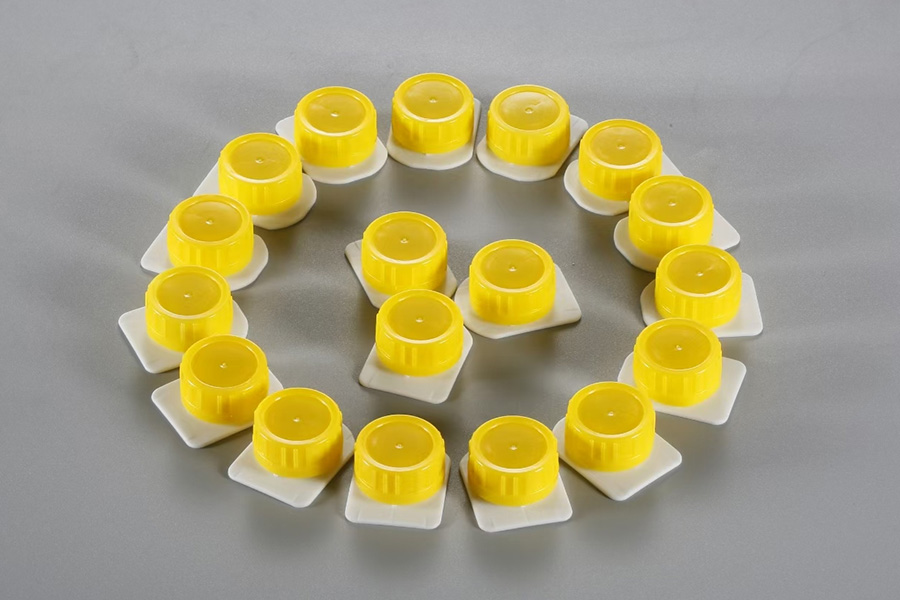
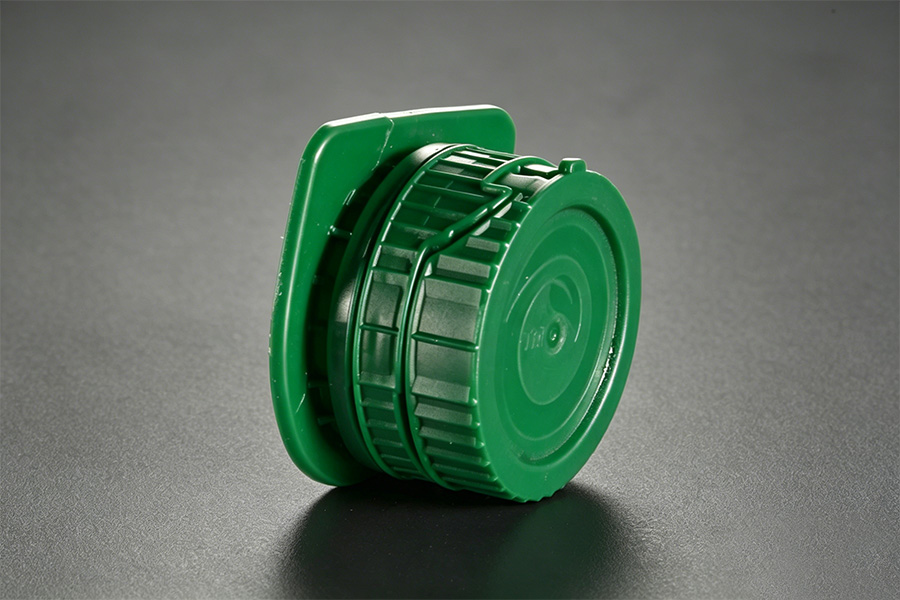
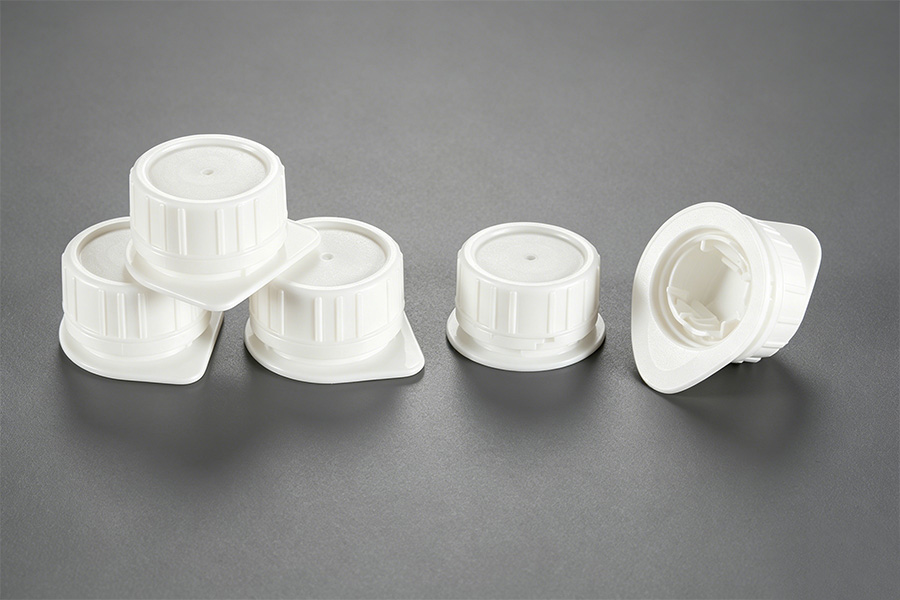
Our RTD coffee cap product line includes the Helicap, Streamcap, and Dreamcap series, compatible with mainstream carton formats such as BRIK, FINO, SLIM, and PRISMA Base, covering volumes from 100B and 125SLIM to 200SLIM and 330SLIM, meeting the filling needs of most carton coffee production lines.
| Product Image | Model Name | Size |
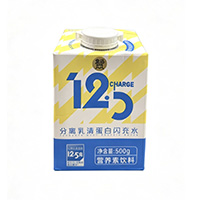 |
brik | 500ml |
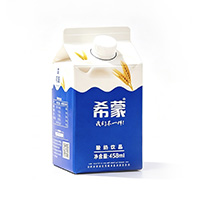 |
rex | 458ml |
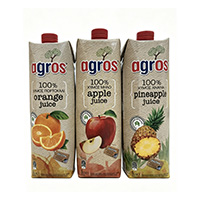 |
prisma | 1L |
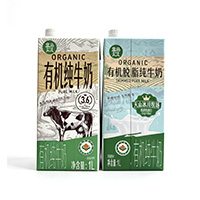 |
slim | 1L |
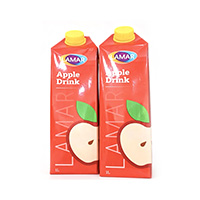 |
gemina | 1L |
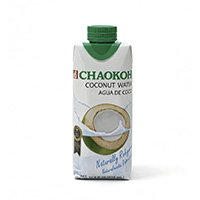 |
prisma | 330ml |
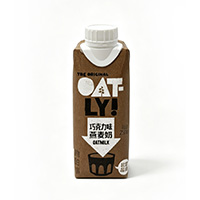 |
prisma | 250ml |
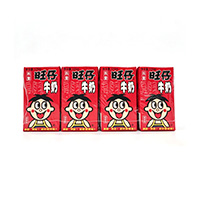 |
slim | 125ml |
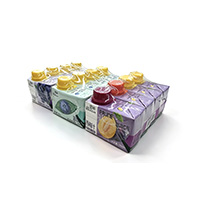 |
brik | 100ml |
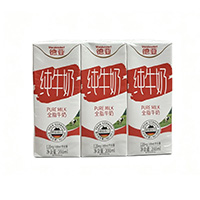 |
slim | 200ml |
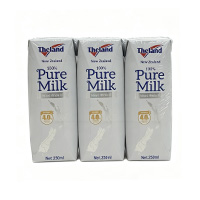 |
prisma | 250ml |
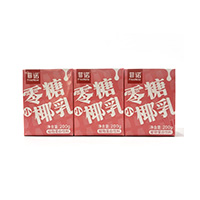 |
brik | 200ml |
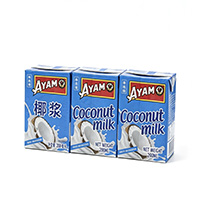 |
brik | 250ml |
 |
top | 200ml |
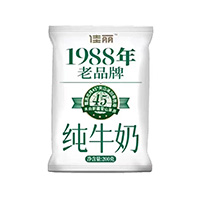 |
fino | 200ml |
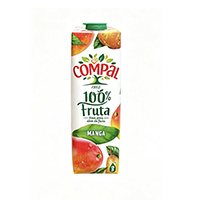 |
stelo | 1L |
The short version A Prisma carton takes a threaded screw cap that is matched to its spout, and t...
READ MOREStelo carton caps are the one-step opening screw closures fitted to premium aseptic carton packages...
READ MOREA 28mm tamper evident cap performs well when it is matched to the correct bottle finish, applied w...
READ MOREYou pick up a bottle of water, twist off the cap, take a sip, and put it back in your bag. That cap...
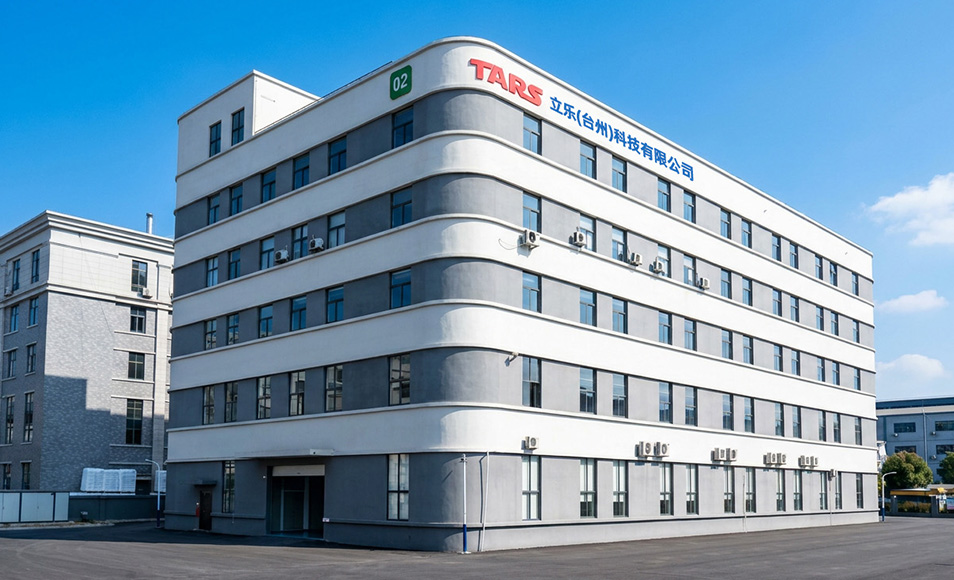
READ MORELile (Taizhou) Technology Co., Ltd works as an RTD coffee carton caps manufacturer, developing closures for black coffee, latte, mocha, and flavored coffee packed in aseptic cartons. Coffee brings three demands together at once: the cap has to survive high-temperature filling, hold back oxygen that dulls aroma, and pour cleanly even when the product is thick and milk-based.
Pasteurization and aseptic filling both expose the cap to sustained heat before it ever reaches a shelf. A structure that softens or shifts shape under that heat compromises the seal before storage even begins, so material stability at filling temperature is checked before anything else.
Milk-based formulas like latte and mocha are more sensitive to oxidation than black coffee, which is one reason sealing lip and liner design get extra attention on RTD coffee cap projects compared to simpler beverage caps.
Pour structure follows how thick the product is. Black coffee behaves close to tea or juice, while latte and mocha carry milk fat and body that slow pouring through a small opening.
The needle position reflects where a product sits on the viscosity range, which is what determines whether a standard opening or a large-flow pour structure is specified for that carton.
Wider one-step opening suited to standard black coffee and flavored coffee lines.
Large-flow pour structure built for smoother handling of milk-based, higher viscosity formulas.
Direct drinking spout with tethered reseal, fitting premium single-serve coffee formats.
Compact opening for small-volume, single-serve RTD coffee packs.
| Carton Format | Common Volumes | Typical Application |
| Base / 100B | 100, 125, 200 ml | Single-serve RTD coffee |
| Brik | 200, 500, 1000 ml | Standard black and flavored coffee |
| Prisma | 250, 330, 1000 ml | Premium latte, mocha |
| Gemina | 1000 ml | Family-size milk-based coffee |
Coffee brands adjusting between a small single-serve run and a larger family format do not always need a new cap supplier, since one series is commonly built to fit several carton formats.
Spout drawings are still confirmed for each format switch, but the underlying cap series and mold platform can often carry across the change.
Cap type, carton format, and volume shared for a quotation within 24 hours.
3D modeling and physical samples within 72 hours, verifying fit and branding effect.
Full inspection after production, shipped within the agreed timeframe.
Raw material sourcing, production, and logistics run under one coordinated system.
Raw material and production records kept so any issue traces back to its source.
Urgent coffee production orders can be prioritized to limit disruption impact.
© Lile (Taizhou) Technology Co., Ltd.
Toudao Town, Taizhou City, Zhejiang Province, China.
liletz@163.com
+8613706571648
