
 English
 русский
 عربى

Industry News
Home / Blogs / Industry News / How to Open an Aseptic Carton Without Spilling: Cap Styles, Pull Tabs and Tamper Bands
Content
To open an aseptic carton without spilling, hold the carton upright on a flat surface, open the cap fully before you tilt it, and pour with a steady, gentle tilt instead of squeezing the sides. How you open it depends on the cap: a twist cap is unscrewed, a flip cap is lifted with one hand, and a pull-ring cap is lifted and pulled. Tamper bands and seals add one more step on the first opening.
Most spills start with using the wrong motion for the cap. The aseptic carton cap range on the carton caps page groups the openings into two families, with a third style common in the wider market.
Unscrew by turning the cap. It reseals by threading back on. Helicap 23, Helicap 27 and StreamCap 27 belong here, and StreamCap 27 is the wide-flow version for family and multi-serve cartons.
Lift the hinged lid with one hand. DreamCap is the one-hand opening style, DreamCap Pro improves reclose and tamper evidence, and Mini DreamCap suits single-serve and children portions.
Lift the ring and pull the cap or its inner seal free. This is an industry style you will see on some cartons, so check the cap before you pull.
Place it on a flat, stable surface. A carton held in the air and twisted open is the easiest way to squeeze the sides by accident.
Look at the top. A round threaded cap needs turning, a hinged lid needs lifting, and a ring needs pulling. Using the wrong motion loosens the cap unevenly.
On the first opening, the tamper band or seal separates before the cap moves freely. Turn or lift with steady pressure until you feel it release, and do not force it with a jerk.
Turn a twist cap until it is clear of the thread, or fold a flip lid all the way back. A half-open cap sends the liquid across the spout and onto the carton.
Tip the carton in one smooth motion and let the liquid find the opening. For thicker drinks, a wider opening pours more freely than a small one.
Thread the cap back on until it is snug, or press the flip lid shut. A well-sealed cap keeps the drink fresh and stops leaks in the bag or fridge door.
A tamper band is the ring that stays attached to the cap until the first opening, and it breaks away so you can tell the carton has not been opened before. Tamper evidence is a safety feature, not a defect, so a small click or tear on the first turn is normal.
Tamper evidence varies by cap. On the Lile range, DreamCap Pro is described with improved reclose and tamper evidence, and Mini DreamCap carries tamper evidence as well. For brands that want a specific style, the tamper evidence style is one of the options that can be customized.
| Cause | What Happens | Fix |
| Squeezing the carton | Pressure forces liquid out in a rush | Hold the carton by the stiff corners, not the sides |
| Opening only halfway | Liquid hits the half-open lid and runs down the carton | Open the cap fully before tilting |
| Pouring too fast | The stream outruns the opening | Tilt slowly and pour in one steady motion |
| Wrong cap for the drink | Thick drinks glug through a small opening | Choose a wider or large-flow opening for thick drinks |
| Cap not seated after use | Threads not engaged, so it leaks later | Close the cap until it is snug |
Most of these are user habits, but a part of the problem is cap design. A cap that needs too much force to open, or a pour opening that does not suit the drink, pushes people into squeezing and rushing.
If you fill cartons, the cap is the first thing your customer touches. A few design choices make a real difference to how clean the pour is.
Thicker or plant-based drinks suit wider openings. Children nutrition drinks suit lower opening force. The Lile juice range tunes opening force and reseal behavior by juice type.
Opening torque is set to the customer requirement. Too tight and customers squeeze to get it open, too loose and the cap may not seal.
Neck fit, outer diameter, inner diameter, thread profile and cap height are confirmed before mass production, so the cap sits properly on the spout.
Each cap goes through internal sealing, torque and leakage testing, and line-fit testing is part of the custom process.
Browse the drink-specific options for juice, dairy and RTD coffee cartons, or read our guide on which cap fits a Prisma carton.
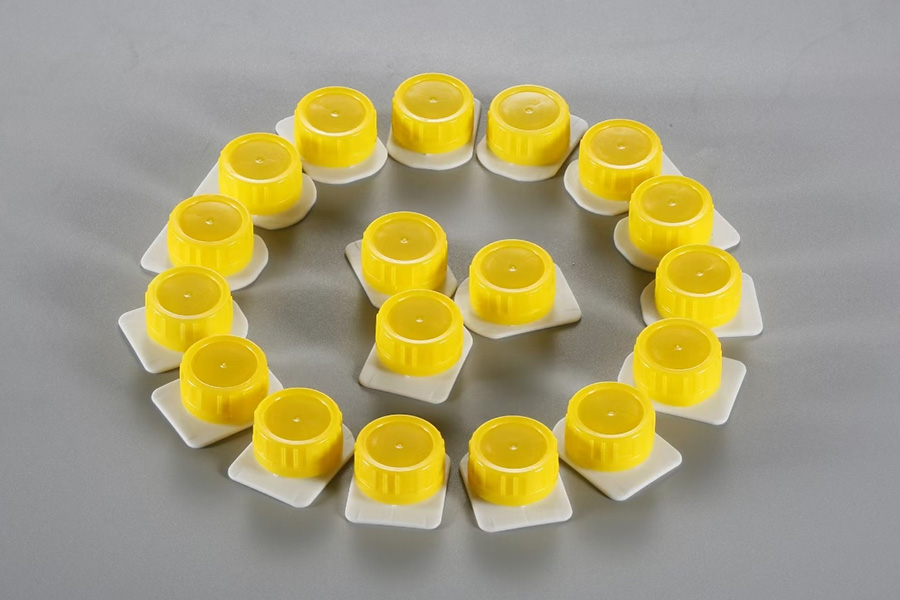
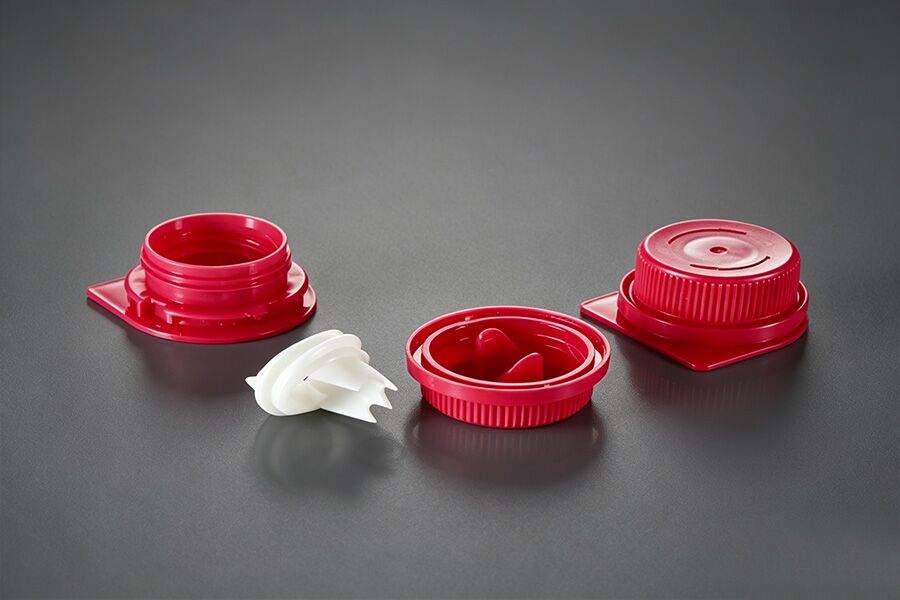 Juice Carton CapsEasy-open screw structure with opening force tuned by juice type.
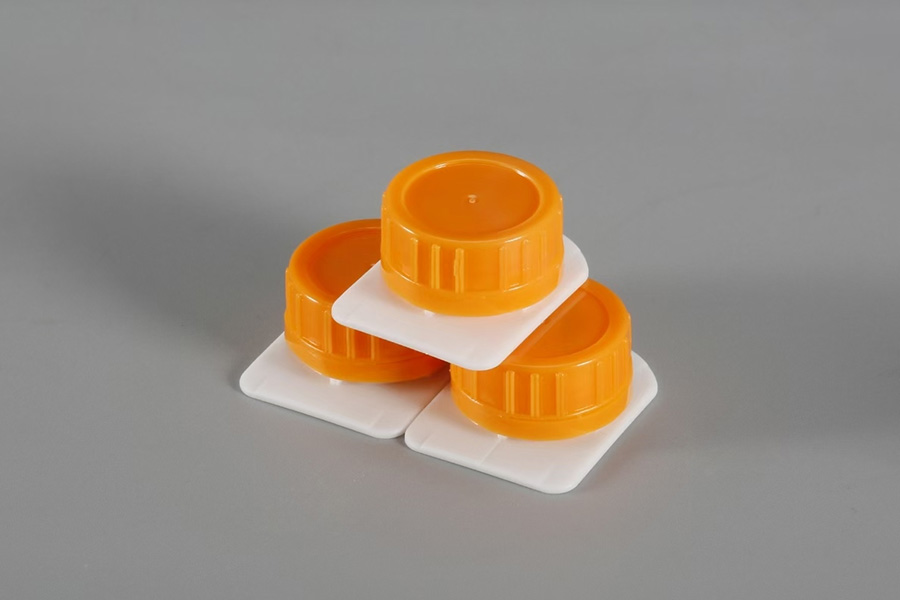
 Dairy Carton CapsStandard screw, large-flow pour and wide-opening structures.
 RTD Coffee Carton CapsHelicap, StreamCap 27, DreamCap Pro and Mini DreamCap openings.
Need a different structure? See the custom plastic caps and closures option for OEM and ODM development.
The same motion does not suit every carton. Small single-serve packs and large family cartons behave differently, and so do thin and thick drinks.
| Situation | Best Habit | Why It Helps |
| Small single-serve carton | Open a flip cap with one hand and drink from the spout | Less liquid in the pack, so a gentle tilt is enough |
| Large family carton | Use both hands and tilt in one steady motion | A heavy carton can slip, and a full pack surges when tilted fast |
| Thin drinks such as juice | Pour slowly and let air enter behind the stream | Air entering the carton keeps the flow smooth instead of glugging |
| Thicker drinks such as milk-based coffee | Use a wide or large-flow opening if the cap allows | Thicker liquid needs a bigger path to pour cleanly |
| Carbonated drinks | Open the cap slowly | Releasing pressure gradually avoids a sudden spray |
Cartons are made in many formats, including Brik, Prisma, Slim, Gemina, Rex and Base, from small single-serve volumes to one-litre packs. The cap on each is fitted to its spout, so what feels natural on one carton may differ slightly on another.
Stand the carton upright, break the tamper band with steady pressure, open the cap fully, then tilt slowly without squeezing the sides.
The most common causes are squeezing the carton, opening the cap only partway, and pouring too quickly. A wider opening on thick drinks also helps.
It is a ring that stays attached to the cap until first opening and breaks away to show that the carton has not been opened before.
Yes. Opening torque, opening size, material, color, printing and tamper evidence style can all be customized for the carton and the drink.
If you have any questions, please fill out the contact form at the bottom of the page and contact us.
© Lile (Taizhou) Technology Co., Ltd.
Toudao Town, Taizhou City, Zhejiang Province, China.
liletz@163.com
+8613706571648