

 English
  русский
 عربى
عربى
Food Grade Aseptic Carton Caps Manufacturer
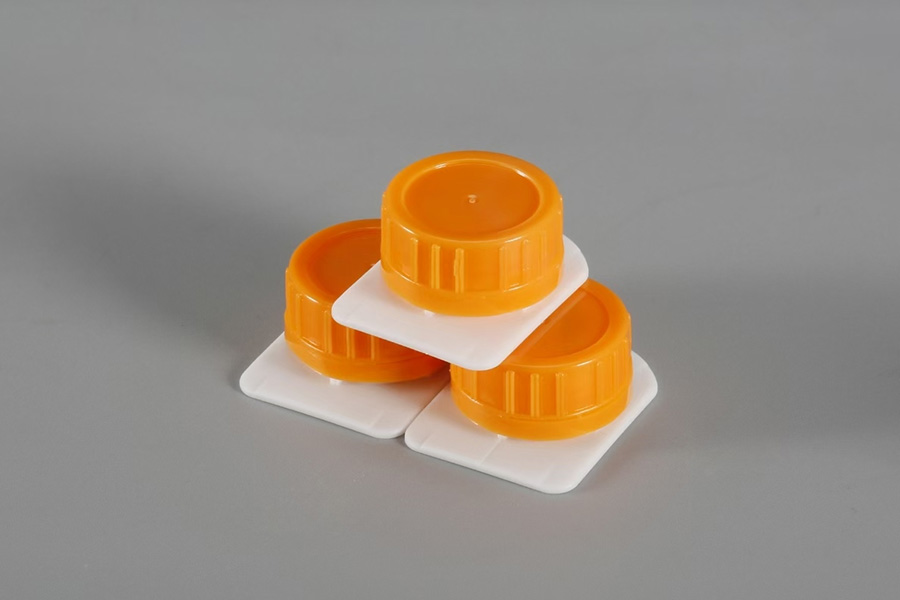
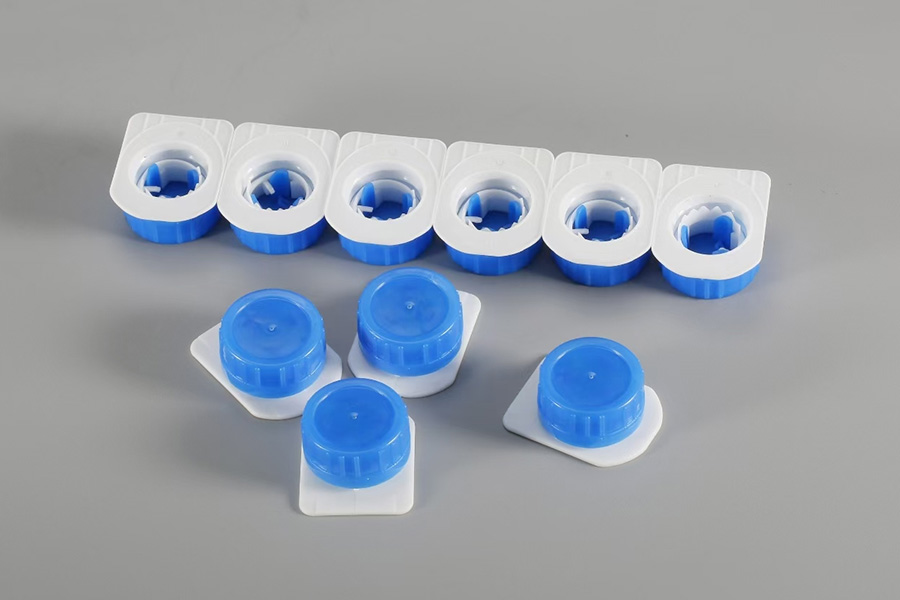
The short version A Prisma carton takes a threaded screw cap that is matched to its spout, and t...
READ MORE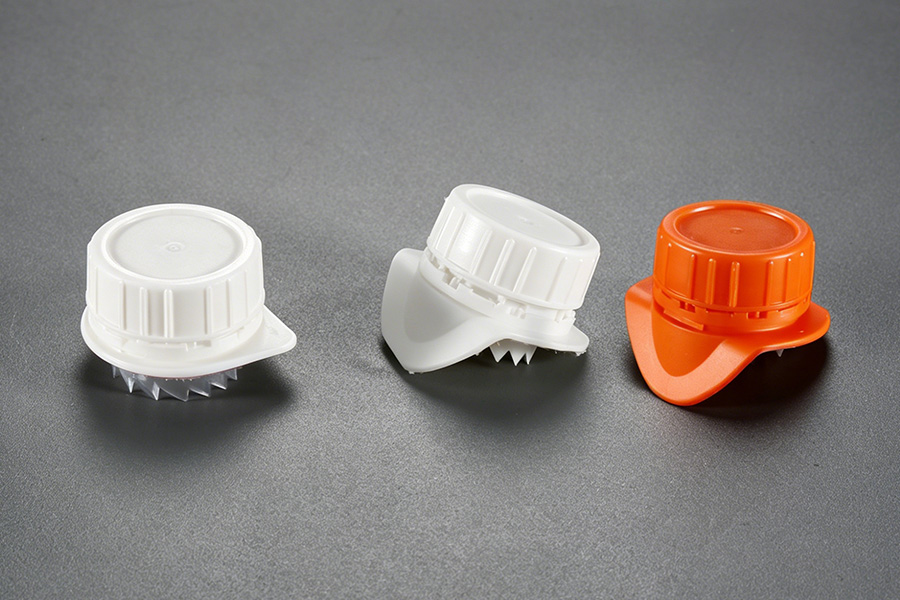
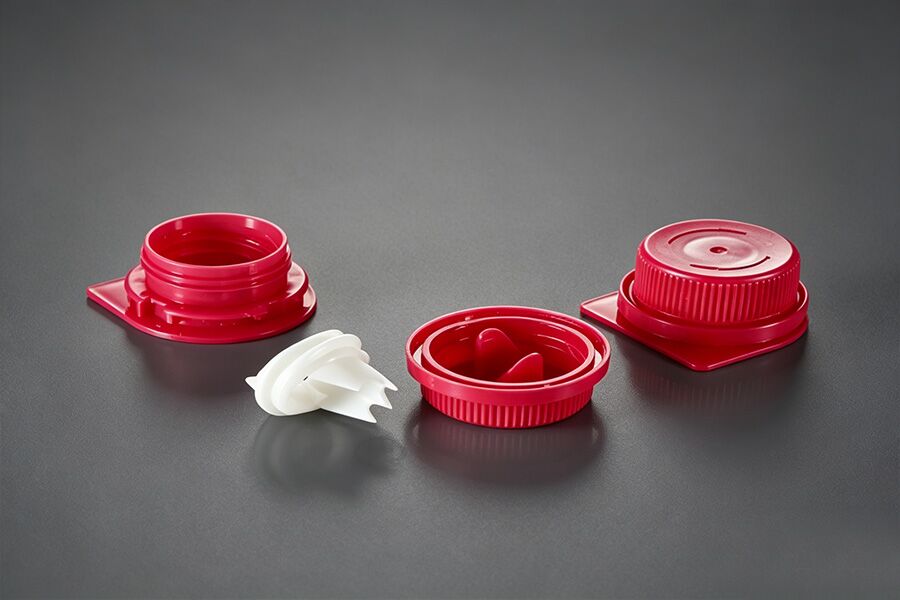
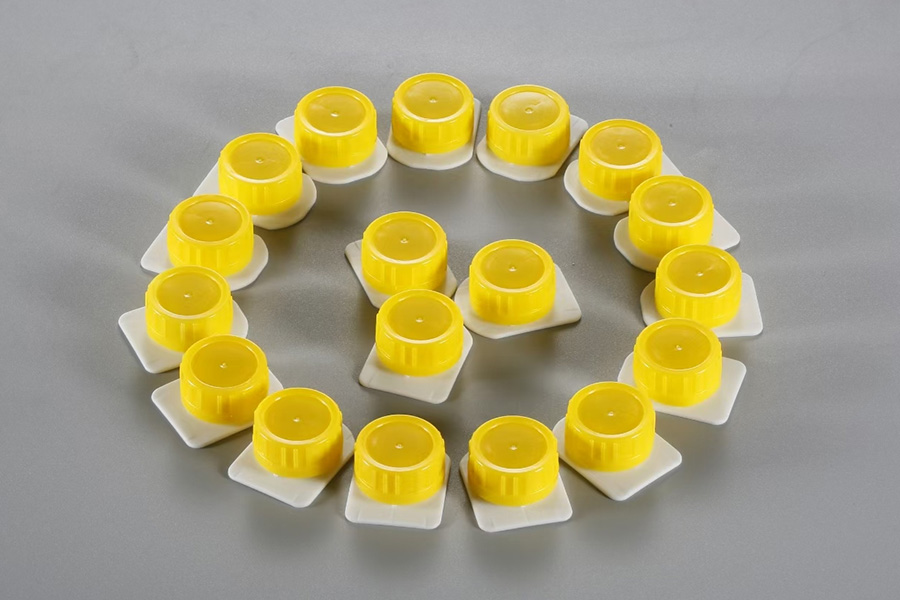
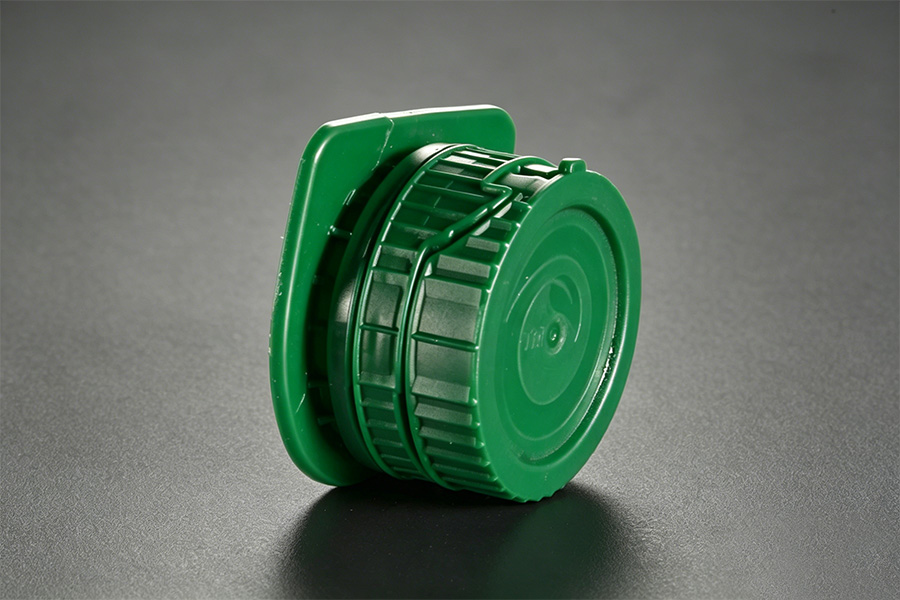
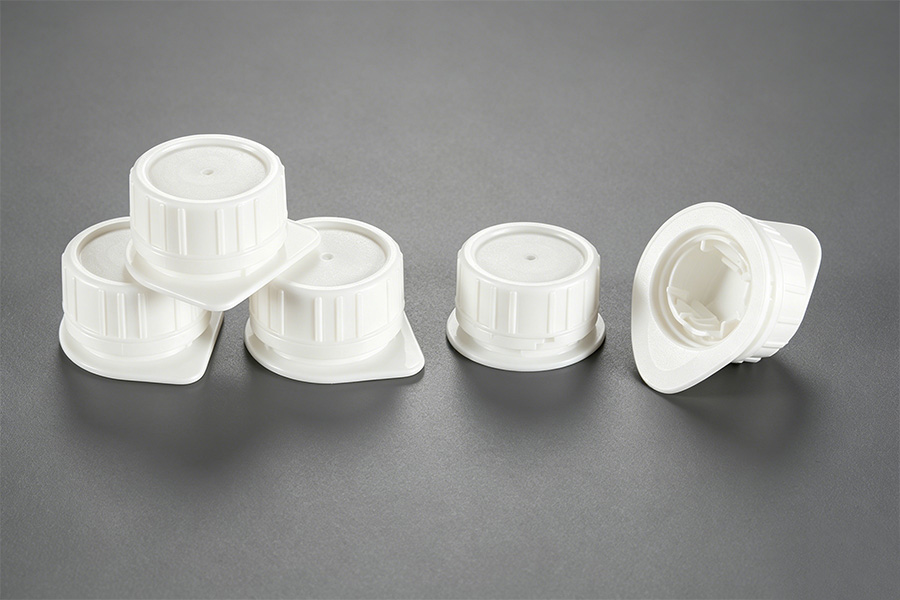
This series of caps covers the common opening sizes and cap structures used on carton packaging lines for liquid food products such as juice, dairy, tea beverages, and ready-to-drink coffee. The products are made of food-grade PP or PE materials and can be matched and developed according to the customer's carton spout, opening diameter, and filling process. The series includes multiple cap models to meet different carton specifications, pouring speed requirements, and consumer opening habits, covering products ranging from small single-serve packs to family-size packages.
| Product Image | Model Name | Size |
 |
brik | 500ml |
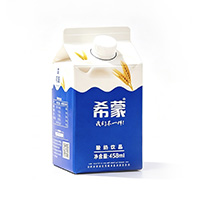 |
rex | 458ml |
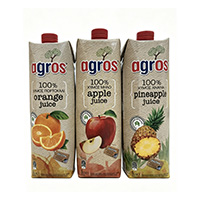 |
prisma | 1L |
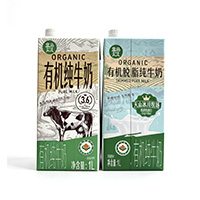 |
slim | 1L |
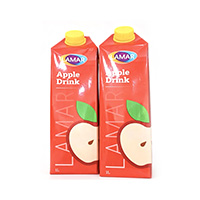 |
gemina | 1L |
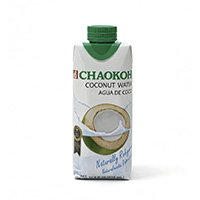 |
prisma | 330ml |
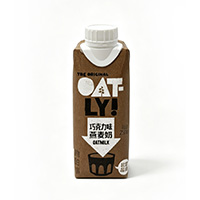 |
prisma | 250ml |
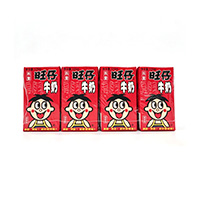 |
slim | 125ml |
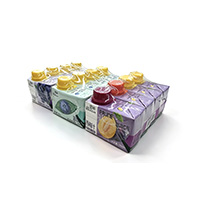 |
brik | 100ml |
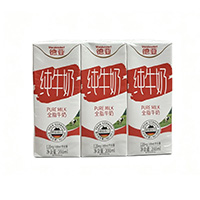 |
slim | 200ml |
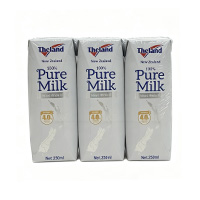 |
prisma | 250ml |
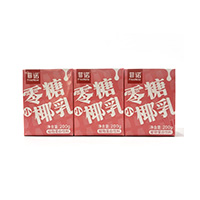 |
brik | 200ml |
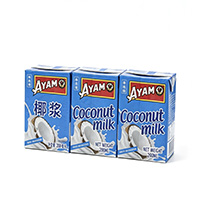 |
brik | 250ml |
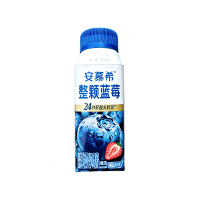 |
top | 200ml |
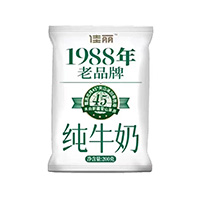 |
fino | 200ml |
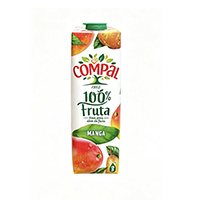 |
stelo | 1L |

The short version A Prisma carton takes a threaded screw cap that is matched to its spout, and t...
READ MOREStelo carton caps are the one-step opening screw closures fitted to premium aseptic carton packages...
READ MOREA 28mm tamper evident cap performs well when it is matched to the correct bottle finish, applied w...
READ MOREYou pick up a bottle of water, twist off the cap, take a sip, and put it back in your bag. That cap...
READ MOREA food grade aseptic carton cap is defined less by a label on the packaging and more by what happens inside the resin: purity of the raw polymer, absence of migrating additives, and a structural design that keeps the sterile barrier intact from the filling line to the consumer's hand. For sourcing teams building or switching a supply chain, the term carries real technical weight rather than marketing language.
Food grade status starts at the resin stage, not at the finished cap. The base polymer has to be produced from virgin or tightly controlled feedstock, free of the colorants, fillers, or recycled content that carry unknown migration risk once in contact with liquid food. A cap that looks identical to a food grade version can still fail this standard if the wrong masterbatch or regrind ratio enters the mold.
The practical difference shows up under two conditions: prolonged contact with acidic liquids such as juice and tea, and repeated exposure to heat during hot fill or sterilization. A resin that performs on a lab bench can still leach flavor-altering compounds under these real production conditions if the formulation was not built for food contact from the start.
For B2B buyers, this means the conversation with a cap supplier needs to start with resin traceability and formulation control, well before color, logo, or mold cost enter the discussion.
Polypropylene and polyethylene both show up across the aseptic carton cap category, but they solve different problems. The choice is rarely a matter of preference and more a matter of what the filling line and the product inside the carton actually demand.
| Property | Food Grade PP | Food Grade PE |
| Heat resistance | Higher, suited to hot fill and thermal sterilization | Moderate, better for ambient or cold chain filling |
| Opening torque feel | Firmer, holds thread shape under repeated use | Softer, easier first-open force for consumers |
| Common liquid food fit | Dairy, tea, RTD coffee, hot filled sauces | Water, juice, cold filled beverages |
In practice, many buyers do not choose one material across an entire product line. It is common to see PP specified for a dairy SKU on the same order sheet as PE for a companion juice SKU, matched to how each product is actually filled.
The core function of a food grade seal is keeping air, moisture, and microorganisms out after the aseptic process has already made the product inside sterile. This is a mechanical problem as much as a material one, and it is usually solved through a layered structure rather than a single feature.
Each of these three elements is confirmed against product drawings before mass production, because a liner that fits one spout profile can sit loose or too tight on another, undermining the seal even when the material itself is correct.
Food grade compliance is only half the sourcing decision. The opening size and mechanism also need to match how the liquid actually behaves once the carton is opened.
Dairy, smoothies, and sauces move slowly through a small opening, so wider neck formats are typically specified to keep pour time and mess manageable for the end user.
Water, tea, and juice pour cleanly through narrower openings, which also reduces resin usage per cap without affecting the drinking experience.
Single serve cartons favor direct drinking spouts, where cap height and lip contact are shaped for comfort rather than pouring into a separate cup.
This is where opening size and cap model selection intersect with food grade material choice. A wide opening in a soft, low melt PE works for cold juice but is the wrong pairing for a hot filled sauce that needs a firmer PP structure to hold its seal under heat.
A food grade cap cannot be evaluated on its own. It has to be confirmed against the exact spout of the carton format it will sit on, since outer diameter, inner diameter, and thread profile vary between formats even when the neck sizes look close on paper.
Buyers switching carton suppliers, or moving a product line to a new format, generally send spout drawings or physical samples for confirmation before committing to mass production tooling. This step protects against a cap that is food grade in material but does not seat correctly on the actual carton spout.
Color, logo, and packaging format are where brands differentiate, but none of these should touch the food contact surface or change the sealing structure. The sequence that keeps a food grade cap food grade through customization looks straightforward on paper but is easy to get out of order under production pressure.
Lile (Taizhou) Technology Co., Ltd follows this sequence across its OEM and ODM projects, treating structural confirmation as the fixed first step and appearance customization as the layer built on top of it, not the other way around.
The difference lies in the resin formulation, not the outward appearance. Food grade caps are produced from controlled polymer sources without the additives or recycled content that carry migration risk into liquid food.
Yes, as long as customization is limited to the outer cap body and applied after the sealing structure and material have been confirmed against the carton spout. Color and printing should never alter the internal sealing surfaces.
PP generally handles hot fill and thermal sterilization better due to its higher heat resistance, while PE is more commonly matched to ambient or cold filled beverages.
Spout drawings or physical carton samples are sent to the cap manufacturer, who checks outer diameter, inner diameter, thread profile, and cap height against the actual spout before tooling begins.
Yes. Thicker liquids such as dairy and sauces generally use wider openings for faster pouring, while thinner liquids like water and juice work well with narrower openings.
Carton spout drawings or samples, target liquid category, filling process details, and any color or branding requirements are the typical starting inputs for structural and mold confirmation.
© Lile (Taizhou) Technology Co., Ltd.
Toudao Town, Taizhou City, Zhejiang Province, China.
liletz@163.com
+8613706571648
