

 English
  русский
 عربى
عربى
Industry News
Home / Blogs / Industry News / 28mm Plastic Caps: A Practical Guide to Fit, Finish and Supplier Checks
Content
When a new batch of 28mm plastic caps reaches a bottling line, the test run can fail within minutes. The caps look right and measure close to 28mm, but they stall in the capping chute, sit slightly high on the neck, or leak during a pressure test. The usual cause is a mismatch between the cap, the neck finish, and the sealing system. A 28mm plastic cap is not a single universal product; it is a closure system designed around the bottle, the liquid, and the filling equipment. This guide explains what a 28mm cap really is, what to check before ordering, and how to choose a supplier who can hold the tolerances that keep a line running.
"28mm" refers to the nominal diameter of the closure, not to a single global standard. In beverage packaging, a 28mm plastic cap is typically used on PET water bottles, carbonated soft drink bottles, juice containers, and some carton packages. The number gives a starting point, but the real specification lives in the thread profile, pitch, number of starts, neck finish, sealing surface, tamper-evident band, and overall cap height.
Because the cap must engage with a specific bottle neck, the cap and bottle should be treated as one system. A cap that seals perfectly on one 28mm neck may not seal on another, even when the outer diameter looks the same. The table below shows the most common closure styles in this size range.
| Closure style | Typical use | What matters most |
|---|---|---|
| Standard screw cap | Still or lightly carbonated water | Consistent capping torque and a clean seal on the tamper band |
| Pressure-rated closure | Carbonated soft drinks | Internal pressure resistance, low creep, and stable venting |
| Sports pop-up cap | Sports drinks or active hydration | One-hand opening, reliable resealing, and a spout that does not leak when jostled |
| Carton pack cap | Juice, dairy, tea | Secure sealed barrier before opening and dependable reclosure after opening |
For plain still water, the standard 28mm screw cap is a mature, low-cost solution. The supplier needs to hold the neck finish and capping torque within narrow limits so that the cap does not back off during transport.
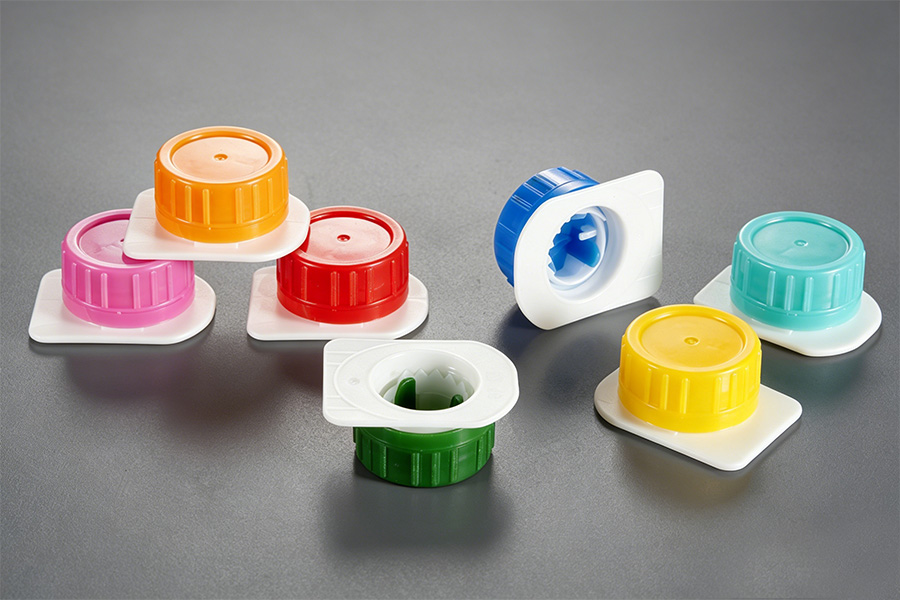 28mm Tamper-Evident Screw Caps for PET Water BottlesThis cap covers both PCO 1810 and PCO 1881 neck finishes, helping you avoid mismatches when ordering 28mm caps for still water packaging.View Product →
The most common mistake is to order "28mm caps" without confirming the bottle's neck finish. PCO 1810 and PCO 1881 are two widely used finishes in this size range, but they are not interchangeable. The thread pitch, root diameter, sealing surface, and capping chuck dimensions can differ enough to cause leaks or line stoppages. Before sampling, request the bottle drawing and check both the cap drawing and the neck finish specification together.
If you are comparing options for a new beverage, the article on PCO 1810 vs PCO 1881 explains the practical consequences of choosing the wrong finish. In short, a cap with the same 28mm diameter can still fail if the thread form does not match the bottle.
For pressure-sensitive drinks, also verify whether the cap has a venting feature or a pressure-relief structure. A carbonated beverage needs a cap that can handle internal pressure without deforming the thread or lifting the seal. For low-pressure products such as still water, the main concerns are capping efficiency, opening torque, and tamper evidence.
The plastic used in a 28mm cap is more than a structural shell. Polypropylene is the dominant choice for beverage closures because it resists fatigue, works with induction seals, and handles a wide range of liquids. In some cases HDPE is used when specific compatibility or stiffness targets exist, but food-contact compliance must be verified for whichever resin is selected.
The sealing system determines how much protection the package gets. A linerless cap works well for still water because the cap forms a seal directly against the bottle rim. A foamed liner adds compression tolerance and helps compensate for minor surface variation. An induction foil seal creates a stronger barrier against oxygen and moisture, but it adds a step to the filling process and changes the consumer's opening experience.
A linerless polypropylene cap keeps cost low and simplifies recycling.
Use a pressure-rated cap with a stiff thread profile and controlled venting.
Consider a foil seal or multi-layer liner for oxygen and moisture resistance.
Choose a material and seal design approved for the filling temperature and sterile environment.
Choosing the right closure is a structured process, not a guess. Use the following five steps to evaluate a new cap before it reaches the filling line.
Sports drinks and active hydration packages often benefit from a pop-up spout design, because it lets the consumer open and reseal the bottle with one hand while moving. The spout geometry, hinge life, and re-seal force must be tested with the same bottles and capping machine you plan to run.
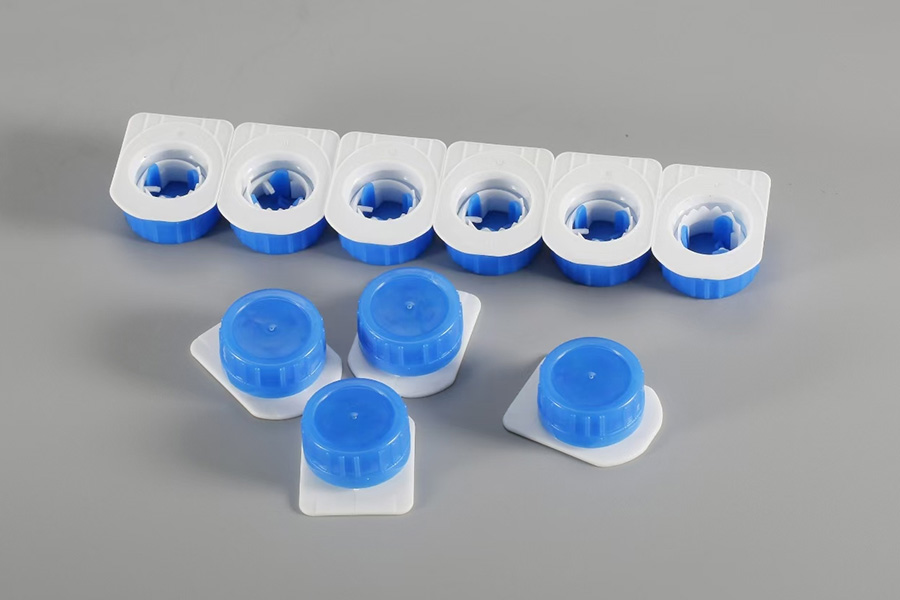 Push-Pull Sports Caps for Active Hydration PackagingDesigned for one-handed opening during sports, these pop-up caps can be matched to your preform neck and are worth checking for resealable bottle projects.View Product →
Once a sample passes basic checks, the supplier's ability to repeat that result matters more than the sample itself. A 28mm plastic cap may look simple, but the mold, processing conditions, and quality control must be stable across millions of pieces.
| Check | Why it matters | What to ask for |
|---|---|---|
| Cap dimension report | Thread pitch and outer diameter affect capping performance. | Dimensional drawing with tolerances and go/no-go gauge results. |
| Torque performance | Consistent opening torque affects consumer satisfaction and line efficiency. | Torque data from caps applied at your target capping torque. |
| Leak and burst test | Pressure resistance prevents returns and safety issues. | Leak test method, pressure values, and pass/fail criteria. |
| Material compliance | Food-contact approval is mandatory for beverage packaging. | Food-contact declaration, resin certificate, and migration test report. |
| Traceability | Batch recalls or line issues need quick identification. | Production records that link raw material batches to finished cap lots. |
If your project needs a non-standard thread, a custom spout, a special surface finish, or a cap geometry that does not exist in a catalog, custom cap engineering can close that gap. A supplier with mold-making experience can adjust the thread geometry and sealing details early in the project rather than forcing a standard cap into a bottle that was not designed for it.
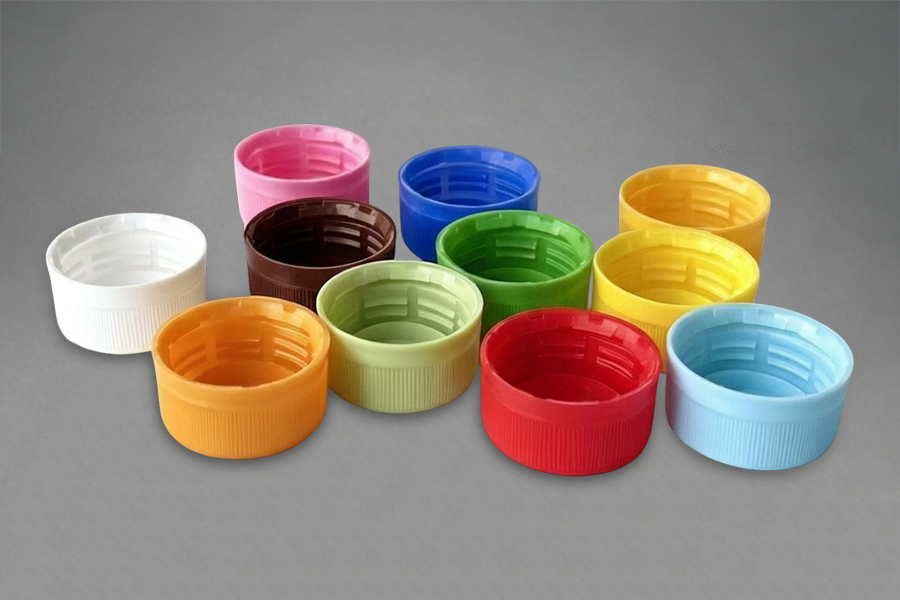 Custom Plastic Caps and Closures for Brand-Specific BottlesOffers mold development, color, and logo customization for non-standard neck finishes, useful when catalog caps fail to fit your bottle design.View Product →
No. The nominal diameter is only a starting point. The neck finish, thread pitch, sealing surface, and tamper band dimensions must all match the bottle.
The 30mm cap is designed for a larger neck finish and is often used when a wider mouth is needed for pouring, filling, or adding ingredients. The choice depends on the bottle mouth and filling requirements, not on aesthetics.
It depends on your product's oxygen sensitivity, pressure, shelf-life target, and consumer reopening expectations. Linerless caps are simpler, while foil or foam-lined caps provide stronger barrier performance.
Test enough caps to cover a complete capping trial on your actual bottle, including torque, leak, drop, and transport tests. A few dozen sample pieces are rarely enough to reveal process variation.
If you have any questions, please fill out the contact form at the bottom of the page and contact us.
© Lile (Taizhou) Technology Co., Ltd.
Toudao Town, Taizhou City, Zhejiang Province, China.
liletz@163.com
+8613706571648