
 English
  русский
 عربى
عربى
Industry News
Home / Blogs / Industry News / HeliCap Carton Caps: Leak-Resistant Closures for Aseptic Packaging Solutions
Content
Most beverage carton failures are not caused by the juice, milk, or coffee inside the carton. They are caused by the cap. HeliCap bottle caps are engineered to solve this problem with a precise thread profile and seal geometry that remain stable under wet conditions, vibration, and repeated opening. This guide covers what HeliCap is, how it compares with other closure systems, and how to match the right version to your product.
HeliCap is a family of plastic caps designed specifically for aseptic carton packaging. The name refers to the helical thread structure that runs along the inside of the cap wall. This thread is one of the most important factors in closure reliability, because it controls how evenly the cap clamps down on the carton spout.
What makes HeliCap different from a standard screw cap is the way the thread profile behaves in wet conditions. When moisture condenses on the spout or the filling area, many conventional caps lose a significant amount of friction. During long trips in refrigerated trucks or on overseas pallets, a cap that felt tight in the filling plant can begin to loosen. HeliCap's thread design maintains the normal force between the cap and the spout, even when the contact surfaces are damp. This is why HeliCap closures are commonly discussed in the context of transportation leak prevention.
Beyond the thread, HeliCap caps use a molded inner seal that presses against the top of the carton spout. That seal is what keeps oxygen out and preserves the quality of sensitive liquids such as juices and dairy products. The cap material is typically food-grade polypropylene, which offers the combination of chemical resistance and dimensional stability needed for pasteurized or UHT-filled cartons.
The HeliCap line is available in multiple configurations, most commonly HeliCap 23 and HeliCap 27. These numbers refer to the nominal diameter of the cap or the spout finish. HeliCap 23 is often used with standard 24 mm spouts on juice and dairy cartons, while HeliCap 27 is more common for larger cartons or products that need a wider pouring area. Choosing between them depends on the bottle neck finish and the filling equipment used on your line.
Because HeliCap is a sealing solution, it can be used in any package that needs to protect a liquid product from air, light, and contamination during the shelf-life period. The most common applications are in aseptic carton formats for juice, dairy, tea, ready-to-drink coffee, and carbonated soft drinks.
For NFC, reconstituted, and naturally extracted juices. HeliCap blocks oxygen ingress through the seal interface, extending shelf life and preserving vitamin stability.
For fresh milk, yogurt bases, and milk beverages. Reliable reclosure is essential because consumers do not always finish a carton in one sitting.
For CSD cartons that need to hold internal gas pressure. HeliCap 27 with a tapered seal face keeps the closure tight while preserving acceptable opening torque levels.
For hot-filled and UHT-processed beverages. Resin grades are selected so the cap keeps its dimensional stability across the temperature swings of hot filling and cold storage.
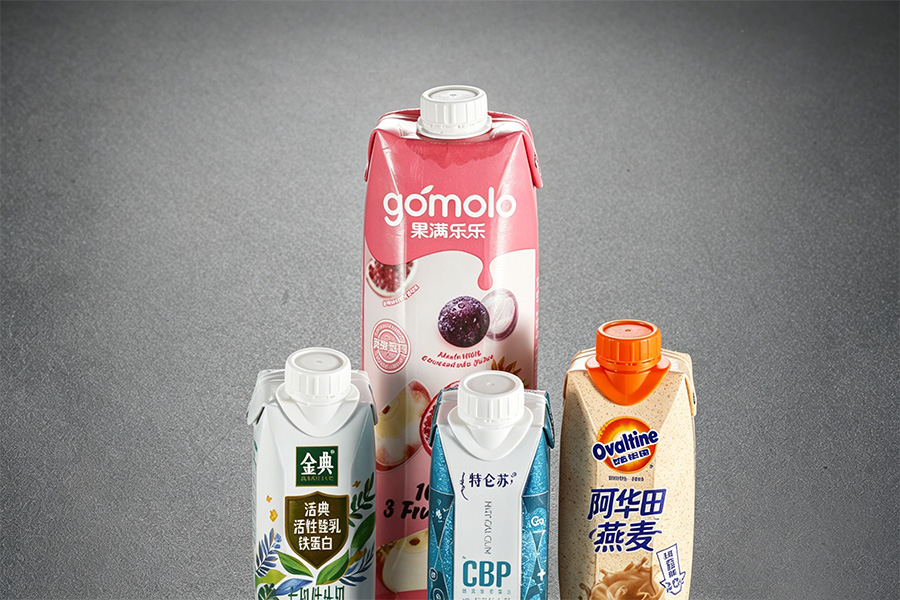
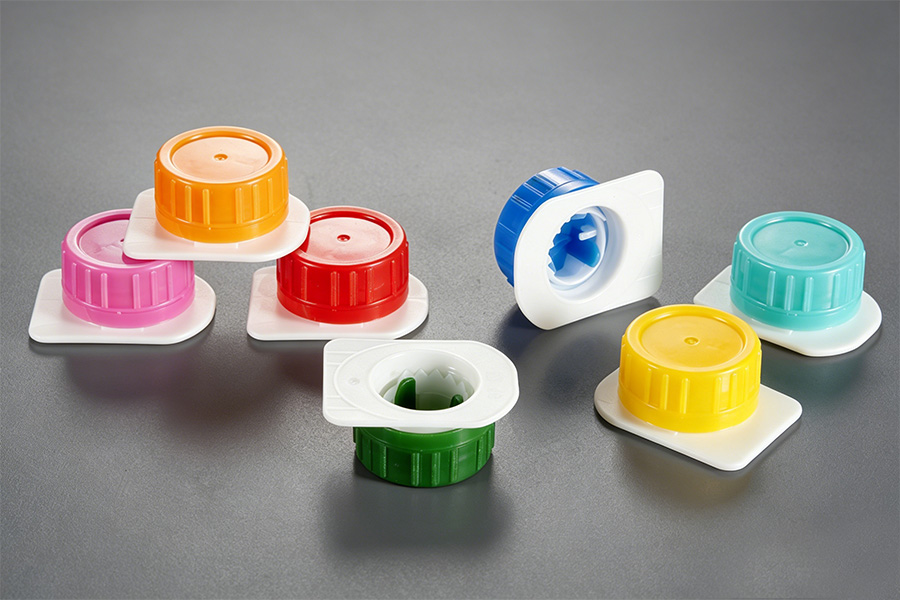
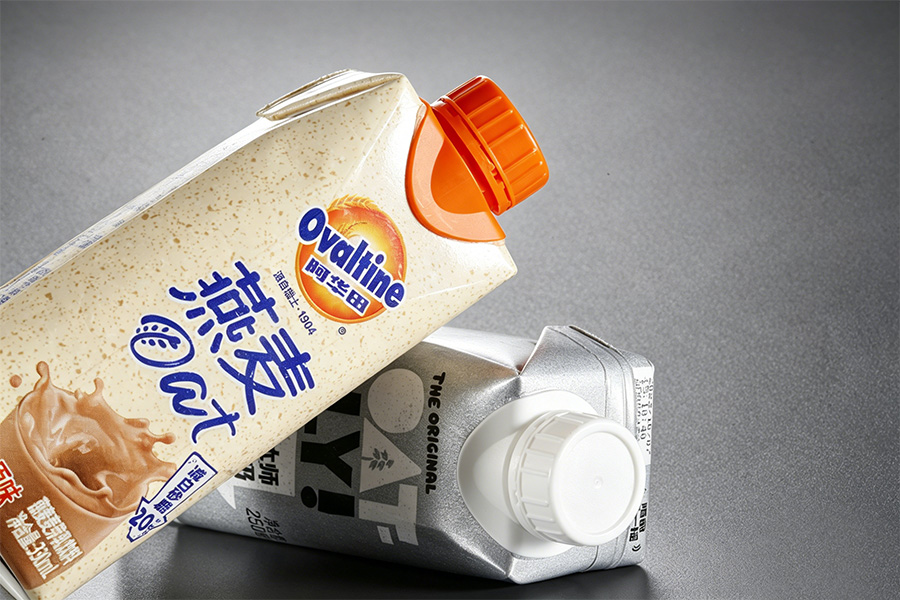 Juice Carton Caps for Hot-Fill and UHT BeveragesDesigned for hot-filled and UHT-processed drinks, these food-grade PP caps maintain dimensional stability during temperature swings. They offer reliable sealing and easy opening, compatible with various carton formats, making them a practical choice for comparison with other closure systems.View Product →
The market for carton closures is not limited to HeliCap. DreamCap and StreamCap are two other closure systems that are often mentioned in the same breath. The differences are easier to understand when they are placed side by side.
| Feature | HeliCap | DreamCap | StreamCap |
|---|---|---|---|
| Primary design goal | Transport leak prevention | Pouring efficiency | Frequent opening and resealing |
| Typical application | Juice, dairy | RTD coffee, tea | Sports drinks, sauces |
| Opening mechanism | Twist | Flip-top or spout | Flow-control spout |
| Sealing focus | Liquid seal | Anti-drip pouring | Repeated re-sealing |
| Long-distance transport fit | High | Medium | Medium-high |
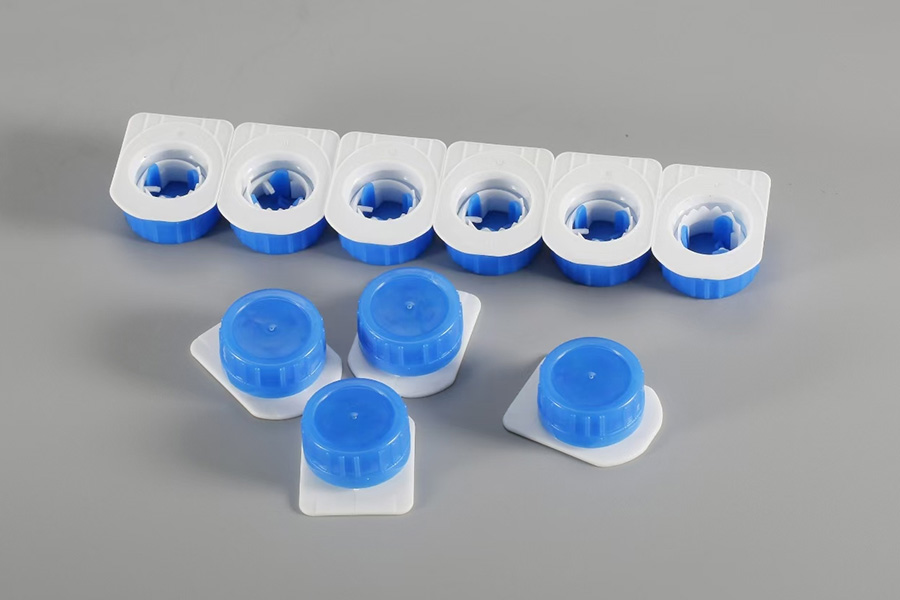
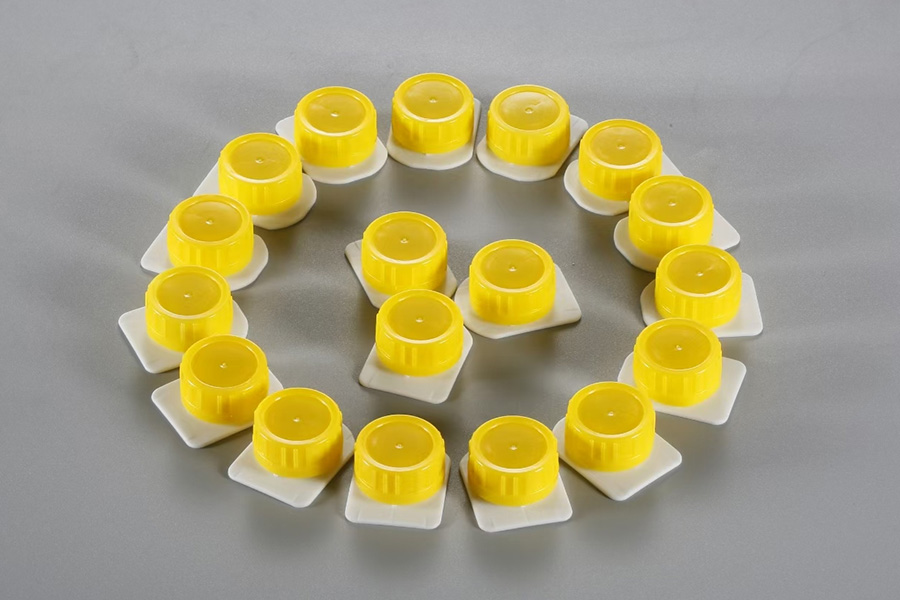 Dairy Carton Caps for Pasteurized and UHT Milk ProductsThese caps are optimized for dairy products, emphasizing sealing stability and contamination prevention. They suit pasteurization and UHT aseptic filling, with multiple opening structures. Evaluating them helps determine the best fit based on liquid type, distribution time, and consumer opening force.View Product →
Product characteristics determine which HeliCap variant fits best. Three questions matter most: What is the liquid? How long will it be on the road? How much opening force should the consumer feel?
HeliCap 23. Prevents oxygen ingress on standard 24 mm spouts.
HeliCap 23 or 27. Supports repeated reclosure without losing seal strength.
HeliCap 27. Withstands internal pressure and prevents gas loss.
HeliCap 27. Uses heat-resistant resin grades for filling stability.
HeliCap 23. Pairs with flow-control spouts for controlled pouring.
HeliCap 27. Wide opening diameter supports viscous product dispensing.
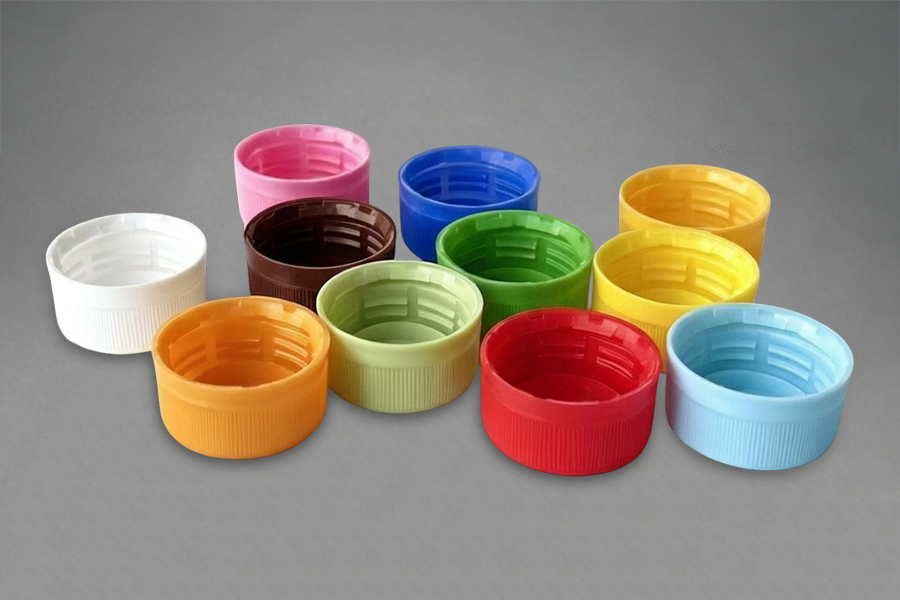
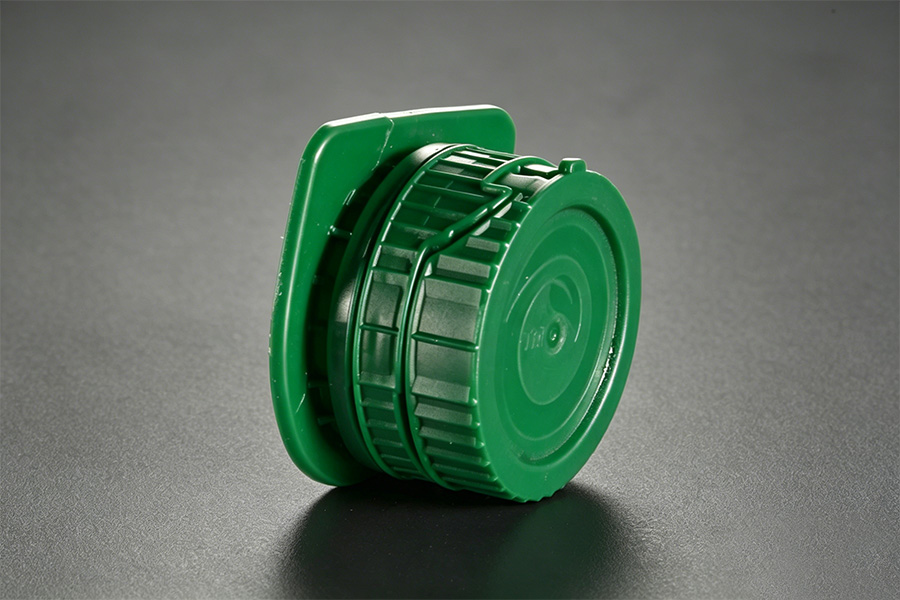 CSD Carton Caps with Reinforced Structure for Carbonated DrinksDeveloped for carbonated beverages, these caps feature reinforced walls and sealing lips to reduce leakage and gas loss. They are food-grade PP and easy to open, with wide-opening options. Compatibility with capping machines requires verifying torque and feed settings during trials.View Product →
Yes. HeliCap closures are designed with a standard thread pitch and dimensional tolerances that allow them to be handled by rotary or linear capping machines. The key is to verify spindle torque and cap feed settings in the first production trial.
Yes, HeliCap 27 is commonly used for CSD carton caps. The seal profile is engineered to hold internal pressure without allowing gas loss over the shelf life.
HeliCap is made from food-grade polypropylene, which is recyclable in many markets with existing PP collection streams. The cap should be separated from the carton board before recycling.
HeliCap 23 fits standard 24 mm spout finishes and is suitable for juice and dairy products. HeliCap 27 has a larger diameter for wider pouring and higher-pressure products such as carbonated drinks.
The helical thread and inner seal combination keeps the cap clamped tightly even when moisture creates a film on the spout. This reduces loosening that can occur in refrigerated trucks and long shipping routes.
Yes. HeliCap 27 with a wider opening helps viscous products flow freely. The low-torque thread design also keeps the closure easy to open without compromising the seal during storage or transport.
Choosing the right closure is a decision that affects product quality, customer experience, and supply-chain costs. HeliCap offers a proven route for carton-packaged beverages that require strong sealing performance in real-world transport and storage conditions. If you are evaluating closures for an aseptic carton line, start by checking the spout finish and filling parameters. The right HeliCap provides a secure seal without adding complexity to your filling process.
If you have any questions, please fill out the contact form at the bottom of the page and contact us.
© Lile (Taizhou) Technology Co., Ltd.
Toudao Town, Taizhou City, Zhejiang Province, China.
liletz@163.com
+8613706571648