
 English
  русский
 عربى
عربى
Industry News
Content
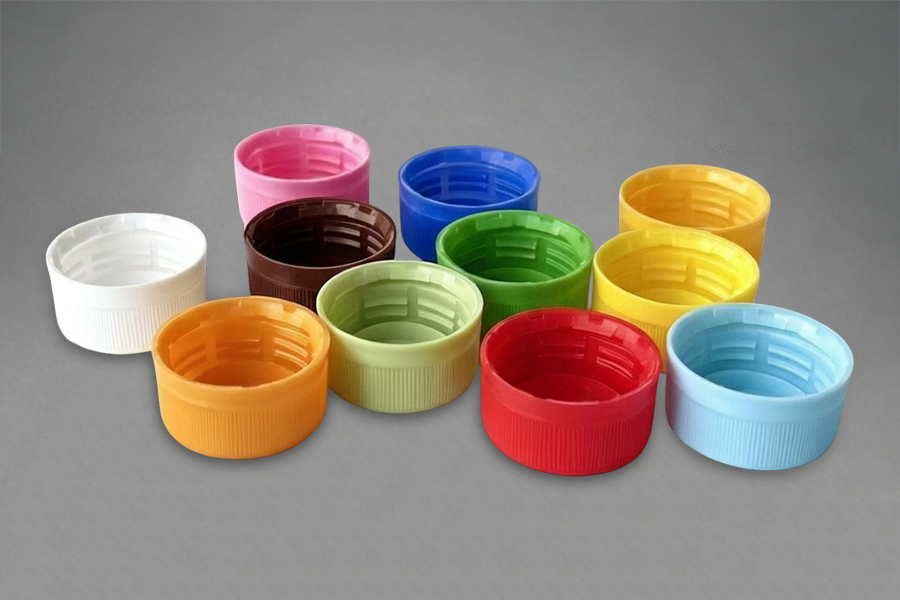
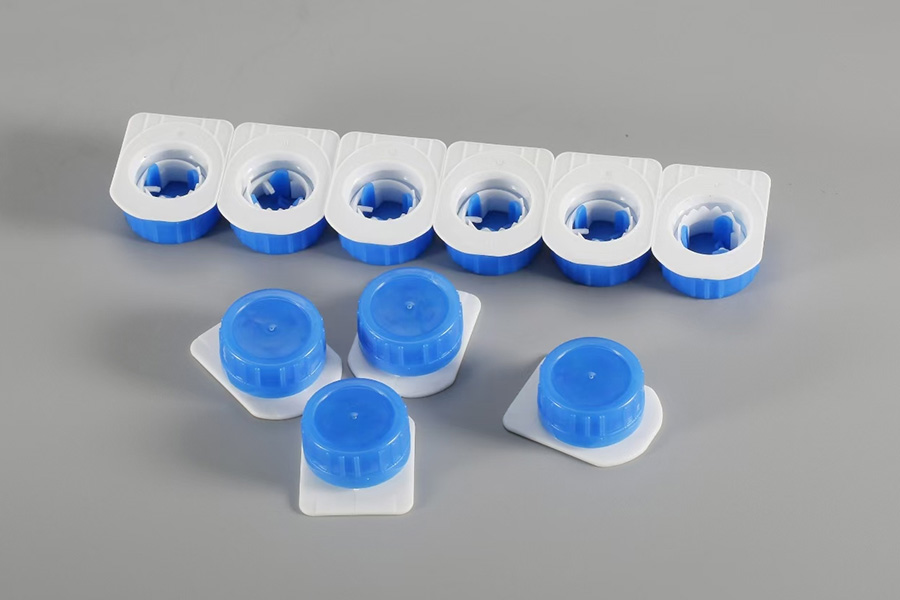
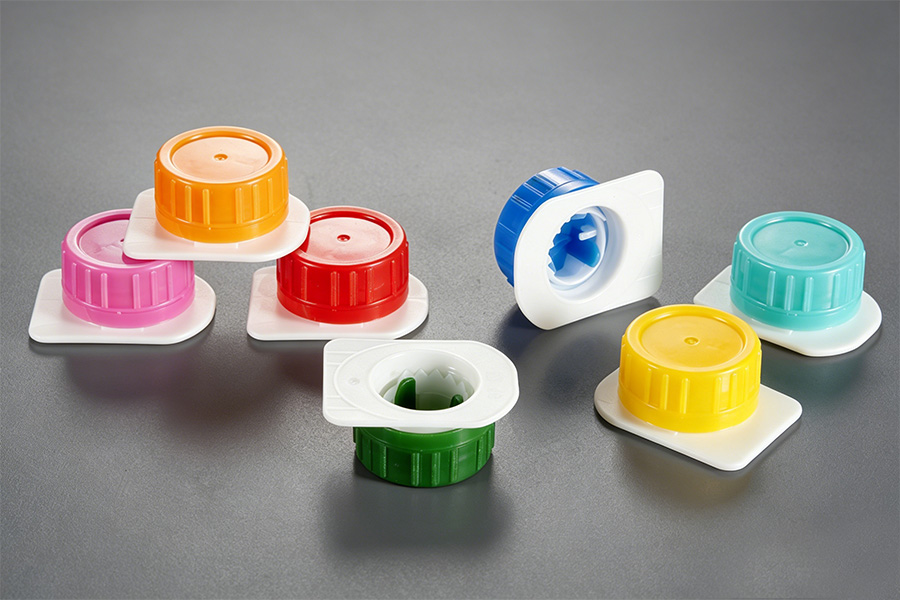
Transport-related leakage is a common challenge in liquid packaging, especially when products move through long supply chains involving repeated handling, vibration, and changes in temperature or pressure. Packaging closures play a direct role in determining whether a product arrives intact or suffers loss and contamination. Against this background, Helicap and Streamcap are often considered by manufacturers looking for practical solutions to reduce leakage risks without adding complexity to the packaging process. By examining their structural design, material selection, and real-world usage scenarios, it becomes clearer how these caps contribute to safer transportation and better product protection.
Transportation Leakage: Where Problems Usually Begin
Leaks during transportation rarely stem from a single cause. They often result from a combination of insufficient sealing force, cap loosening caused by vibration, deformation under pressure, or user error during closing. When cartons are stacked, tilted, or exposed to repeated motion, even a small gap between the cap and bottle neck can allow liquid to escape. Over time, this not only damages the product but can also affect outer packaging, labels, and nearby goods.
Both Helicap and Streamcap are designed with these practical challenges in mind. Their focus is not on complex mechanisms but on improving everyday closure performance through thoughtful engineering that fits standard production and filling lines.
Thread Structure and Its Role in Seal Stability
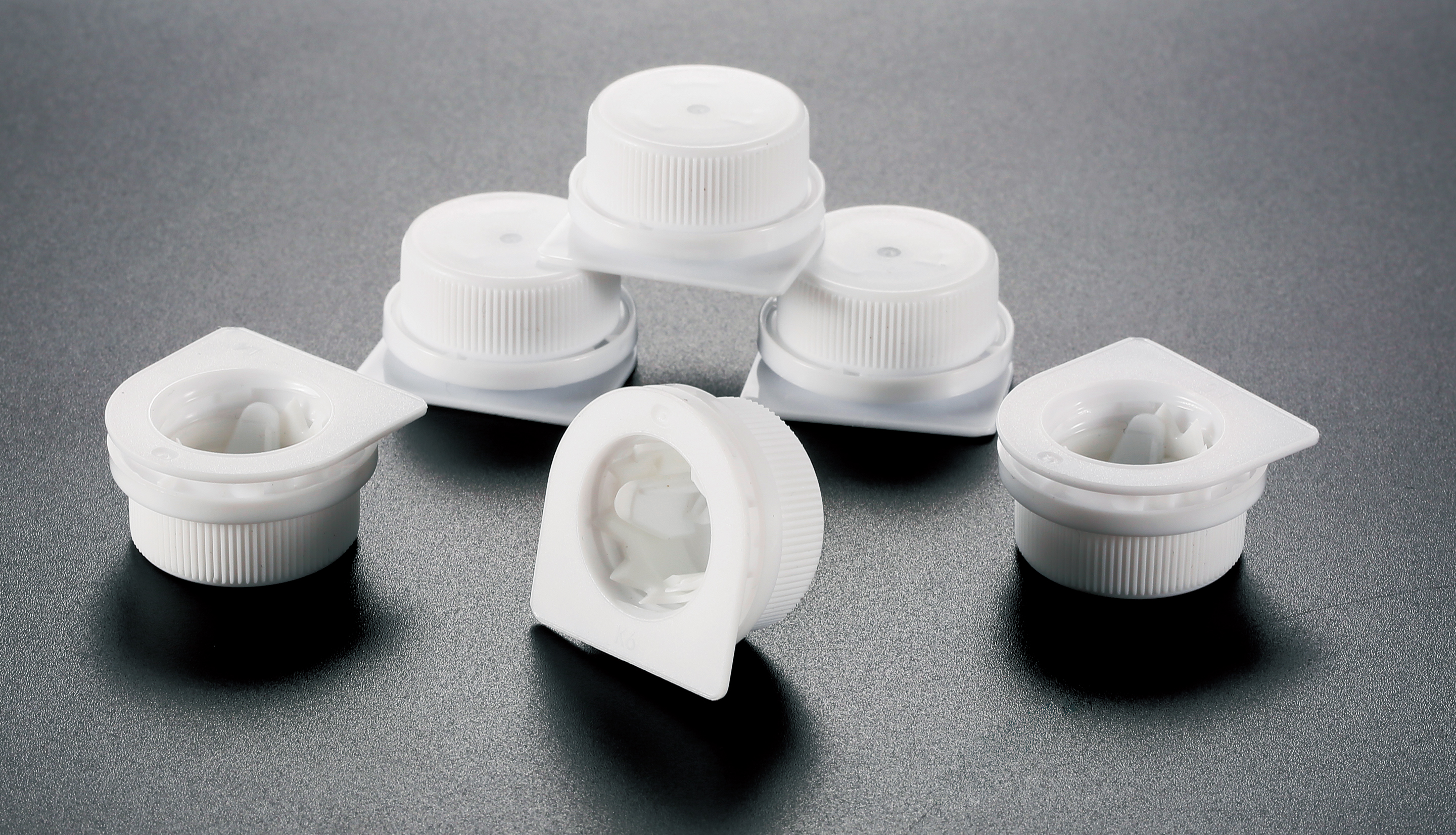
One of the important factors in leak prevention is how consistently a cap engages with the bottle threads. Helicap uses side anti-slip threads that are shaped to increase friction between the cap and the bottle neck. During transportation, vibration and repeated movement can gradually loosen poorly designed caps. The anti-slip thread design helps maintain a stable connection, reducing the chance that the cap will back off over time.
This design also supports more uniform torque distribution when the cap is applied. A more even thread engagement helps avoid localized stress points that could otherwise deform the plastic or create micro-gaps. In practice, this means the seal is more likely to remain intact from filling to final delivery, even when cartons pass through multiple logistics stages.
Streamcap applies a similar principle, emphasizing smooth yet secure threading that allows the cap to be fully seated without excessive force. This balance helps reduce over-tightening, which can sometimes damage threads or compromise resealing ability.
Resealing Capability and Secondary Protection
Products such as beverages, cleaning liquids, or personal care items are often opened, partially used, and then transported again. Helicap’s resealable design allows users to screw the cap back on securely after opening, restoring a protective seal that supports further movement or storage.
This feature is particularly relevant for distribution models where products may be sampled, tested, or redistributed before final sale. A cap that can maintain its sealing performance after multiple openings helps reduce the risk of secondary leakage and product waste.
Streamcap also supports repeated opening and closing without significant loss of sealing performance. Its design focuses on maintaining thread integrity and cap shape over time, which is essential when products are handled by end users who may not always close caps with consistent force.
Material Performance Under Transport Conditions
Material choice has a direct impact on how a cap behaves during shipping. Helicap is produced from durable plastic that resists cracking and deformation when exposed to impact or pressure. During transportation, caps may experience compression from stacked loads or sudden shocks if cartons are dropped or shifted. A cap that maintains its shape under these conditions is less likely to lose its seal.
Temperature variation is another common factor. Products may move between warehouses, trucks, and retail environments with different climate conditions. Plastic materials used in Helicap are selected to remain stable across typical temperature ranges, helping the cap retain its sealing geometry without becoming brittle or overly flexible.
Streamcap similarly relies on high-quality plastic materials that handle moisture, heat, and contact with various substances. This consistency helps ensure that the cap continues to perform as expected throughout the product’s distribution cycle.