
 English
  русский
 عربى
عربى
What Type of Bottle Cap Is Helicap?
Helicap is a one-step twist-off, resealable plastic cap engineered for beverage cartons. It replaces traditional pull-rings or straw punctures by allowing the consumer to open, pour, and reseal the package with a single intuitive motion. The cap is permanently attached to the carton and creates a hygienic, drip-resistant seal every time it is closed.
Understanding the Helicap Design
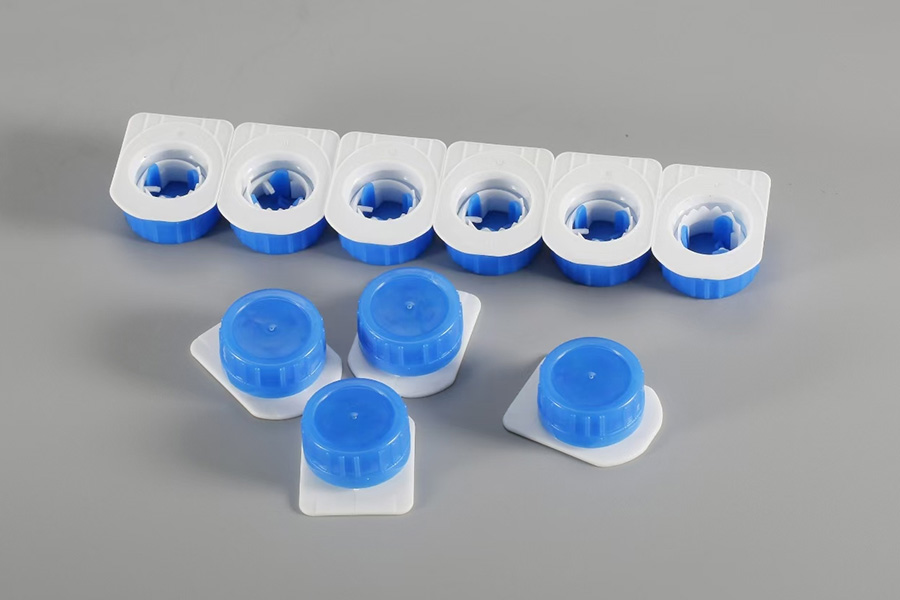
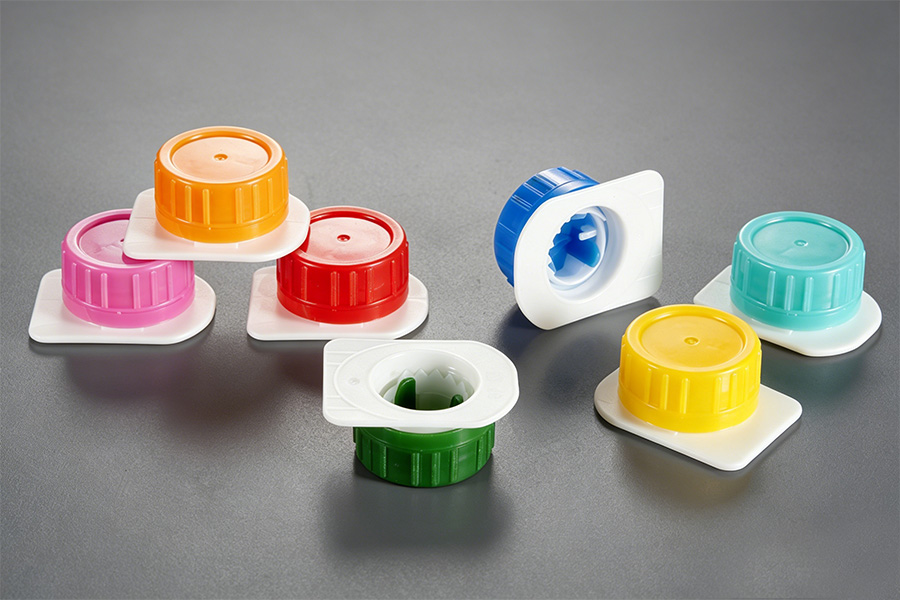
Helicap is a two-part closure system consisting of a spout base welded to the carton laminate and a threaded overcap. The base contains an integrated cutting element that pierces the aluminum foil layer inside the package during the first opening twist. The overcap features deep multi-start threads that convert a short rotation into a smooth linear lift, enabling the foil to be broken in approximately a quarter turn (90 degrees). A tamper-evident band connects the overcap to the spout base and visibly separates upon first use, providing clear security.
How the One-Step Opening Mechanism Works
The mechanism eliminates any separate pulling or peeling step. The sequence is:
- The consumer grips the overcap and twists counterclockwise.
- The multi-start threads instantly translate rotation into downward pressure on the cutting ring.
- The cutting ring perforates the foil barrier while the tamper-evident ring fractures.
- The cap rises along the threads, fully opening the spout for pouring.
- After use, a clockwise twist re-engages the threads and pulls the overcap down, forming a liquid-tight seal against the spout lip.
This single-twist action significantly reduces the dexterity required compared to traditional pull-tab systems, making the package accessible to a wider range of users.
Key Advantages Over Traditional Openings
Helicap was designed to solve specific consumer frustrations. Its benefits are directly tied to real-world usage patterns.
Consumer Convenience and Accessibility
- No separate tool or straw is required; the package is self-contained.
- The low-torque quarter-turn opening is manageable for children and elderly users.
- The wide spout allows controlled, glug-free pouring directly into a glass.
Product Protection and Hygiene
- The resealed cap provides an effective barrier against oxygen and external odors, helping keep contents fresher after opening.
- The spout and cap design protects the pouring surface from contamination when the package is stored on its side.
- The tamper-evident band offers a clear, irreversible visual indicator if the package has been previously opened.
Operational Reliability
- The cap stays attached to the carton as a single unit, preventing litter and loss of the closure.
- The resealable feature eliminates the need to find a separate storage container for unfinished portions.
Helicap Versus Conventional Openings: A Comparison
The table below contrasts Helicap performance with three common carton opening types, highlighting the differentiator in daily use.
| Feature | Helicap | Pull-Ring | Straw Hole | Standard Screw Cap (Bottle) |
| Opening Action | One-step twist | Pull up and peel back | Puncture with straw | Multiple rotations |
| Resealability | Yes, tight seal | No, cannot be resealed | No | Yes, tight seal |
| Tamper Evidence | Visible broken band | None after ring removed | Foil hole visible | Breakable ring |
| Pouring Control | Excellent, wide spout | Poor, large irregular opening | Only through narrow straw | Good, depending on neck |
| Attached Closure | Always attached | Detached and discarded | No cap | Can be detached |
The comparison underscores that Helicap uniquely combines the hygienic one-step access of a pull-ring with the reliable resealability of a bottle screw cap, while keeping all components tethered to the package.
Common Package Types and Applications
Helicap closures are predominantly found on aseptic carton formats where product integrity and extended shelf life are critical. Typical applications include:
- Family-size milk and juice cartons (typically 750 ml to 2 liters) where a single package is used over multiple servings.
- Liquid dairy products such as cream, buttermilk, and flavored milk drinks that require refrigeration after opening.
- Broths, soups, and culinary liquids that are only partially used per recipe.
- Value-added nutritional beverages where a reliable reclosing system protects sensitive ingredients from spoilage.
The attachment is compatible with standard filling lines and carton forming processes, making it a plug-and-play upgrade for brand owners.
Evolution and Key Variants of Helicap
Since its launch, Helicap has evolved through several generations, each refining the user experience and material efficiency. The most recognized variants are defined by their neck diameter, which dictates pouring speed and overall cap size.
- HeliCap 23: Features a 23 mm spout diameter. This is the workhorse for standard family cartons and is optimized for a balance between pour control and minimal plastic weight.
- HeliCap 27: A 27 mm diameter spout offering a faster flow rate, suitable for larger package formats or thicker beverages.
- HeliCap 30: A wide 30 mm opening designed for rapid dispensing and easy drinking directly from the carton.
Recent development has focused on lightweighting to reduce polymer consumption while maintaining structural integrity and drop performance. The tethered cap design, where the overcap remains connected to the spout even when open, is now standard in many regions to comply with single-use plastics directives.
Material and Manufacturing Considerations
Helicap closures are typically injection molded from high-density polyethylene (HDPE) or polypropylene (PP). The material must balance several demanding requirements:
- Low taste and odor profile to avoid affecting delicate beverages such as milk.
- Precision moldability to form reliable tamper-evident break points and multi-start threads.
- Compatibility with aseptic spout welding processes that fuse the base to the carton laminate through induction or ultrasonic sealing.
- Recyclability within established polyolefin recycling streams when the cap remains on the carton.
Best Practices for Using a Helicap Closure
To maximize product freshness and avoid spills, follow these simple steps:
- To open: Twist the overcap firmly counterclockwise until you hear or feel the tamper band snap and the cap stops. There is no need to pull upwards.
- To pour: Tilt the carton slowly; the wide spout provides a controlled stream. Avoid aggressive squeezing.
- To close: Press down lightly while twisting clockwise until the cap is snug. The seal is achieved when the overcap bottoms out on the spout.
- Storage: Always keep the carton upright with the cap properly tightened. Once opened, refrigerate perishable contents and consume within the timeframe indicated on the package.