
 English
  русский
 عربى
عربى
Industry News
Content
Packaging sustainability is no longer limited to bottle materials alone; closure design now plays a direct role in resource use, transportation efficiency, and recyclability. Helicap 23 and Helicap 27 closures are increasingly used in beverage packaging systems because their structural design and material efficiency align with evolving sustainability and production requirements. These closure formats support beverage manufacturers in maintaining consistent sealing performance while also addressing material reduction goals and compatibility with recycling processes.
Material Efficiency and Its Role in Reducing Packaging Resource Consumption
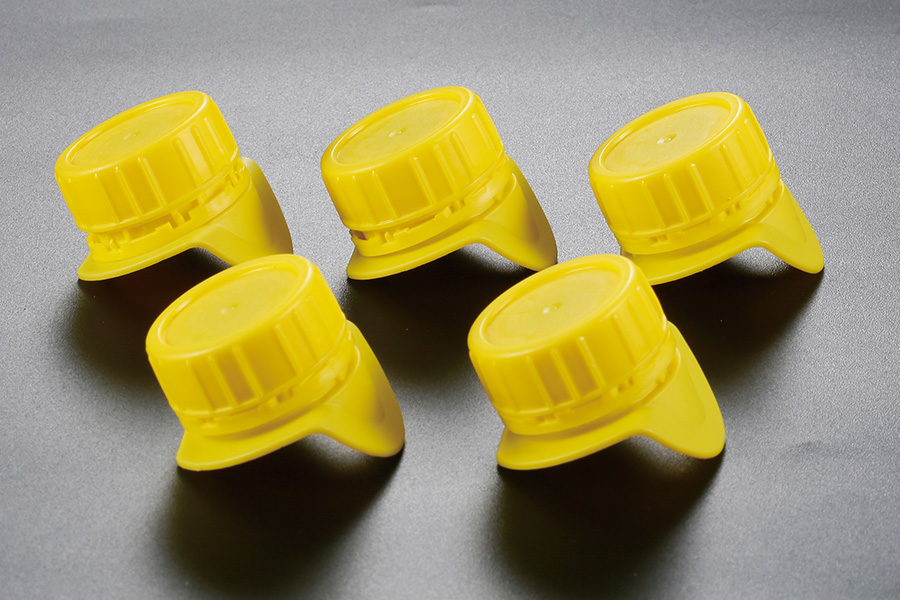
Helicap 23 closures are designed with careful attention to material distribution, ensuring that each section of the closure provides structural support without unnecessary excess. This approach allows closures to maintain their functional role while using appropriate amounts of plastic material. When applied across large production volumes, even small material adjustments per closure can result in noticeable reductions in total material consumption.
Material efficiency also affects transportation and storage. Lighter closures contribute to lower total packaging weight, which can influence shipping efficiency. When beverage bottles are transported in large quantities, the combined weight of closures becomes a measurable factor. Reduced packaging weight may help lower fuel usage during transportation and decrease handling strain on packaging systems.
Another important factor is manufacturing consistency. Closures produced with uniform material distribution are easier to mold and inspect, reducing production waste caused by defects. When closures meet dimensional and structural standards consistently, fewer rejected units are generated, supporting more efficient use of raw materials.
Helicap 27 closures follow similar principles while accommodating bottle formats that require slightly larger closure dimensions. Their design supports sealing performance without introducing unnecessary structural complexity. By balancing structural needs with material efficiency, these closures align with sustainability efforts focused on responsible material use.
How Closure Design Supports Compatibility With Recycling Systems
Recycling compatibility is an important part of sustainable packaging, and closure design plays a role in ensuring closures do not interfere with recycling processes. Helicap 23 closures are typically produced using plastics that are compatible with common beverage bottle recycling streams. This compatibility allows closures and bottles to be processed together or separated efficiently during recycling operations.
The closure’s structural design also supports mechanical separation during recycling when required. During the recycling process, closures may be separated based on density or mechanical sorting methods. Closures that maintain consistent shape and material composition are easier to identify and process within recycling systems.
Another aspect influencing recycling compatibility is the attachment method. Closures must remain securely attached during distribution but should not create complications during recycling. Standardized closure designs help recycling facilities handle packaging more efficiently, supporting material recovery efforts.
Helicap 27 closures are similarly designed to work within existing recycling frameworks. Their material selection and structural stability allow them to withstand use and transportation while remaining suitable for recycling after disposal. This compatibility supports broader efforts to improve packaging circularity without requiring entirely new recycling infrastructure.
Supporting Sustainable Production Through Efficient Manufacturing Processes
Sustainable packaging efficiency is influenced not only by material use but also by manufacturing efficiency. Helicap 23 closures are designed to integrate smoothly into automated closure molding and bottling systems, reducing interruptions and improving overall production flow.
Efficient molding processes help control energy use during closure manufacturing. When closures can be produced with stable cycle times and consistent quality, production equipment operates under predictable conditions, which helps maintain steady energy consumption. Variations in closure design that require frequent adjustments or cause defects can increase production waste and energy use.
In addition, closures that maintain dimensional accuracy reduce the likelihood of application errors during bottling. Misapplied closures can result in product loss, packaging waste, and additional inspection requirements. By supporting consistent application performance, closures help reduce unnecessary waste during filling operations.
Helicap 27 closures support similar production efficiency benefits, especially in beverage formats that involve higher internal pressure or specialized bottle structures. Their compatibility with automated capping systems helps maintain consistent sealing performance, reducing the risk of product loss due to leakage or improper sealing.