
 English
  русский
 عربى
عربى
Industry News
Content
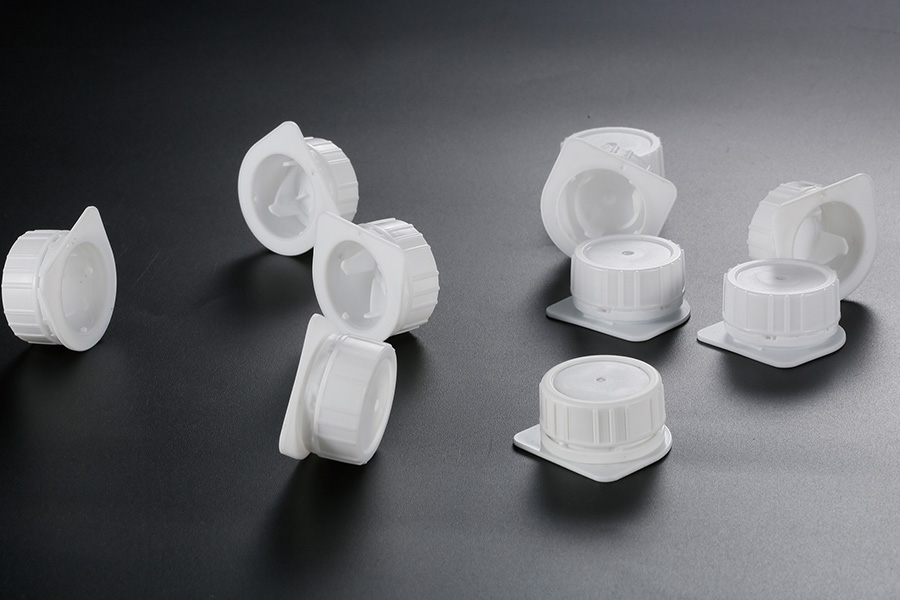
Food safety begins long before a product reaches the consumer, and closure selection plays a direct role in maintaining hygiene, preventing contamination, and preserving product integrity. Helicap 23 and Helicap 27 closures are widely used in food and beverage packaging due to their compatibility with standardized bottle neck finishes and their ability to maintain consistent sealing conditions. These closures support food safety by helping prevent external contaminants from entering the container while also maintaining internal product stability. Understanding when Helicap 23 should be used for food safety helps manufacturers ensure packaging systems align with regulatory requirements, production conditions, and real-world distribution environments.
Why Closure Integrity Matters for Preventing External Contamination
Closure integrity is one of the key factors influencing food safety because it forms the final barrier between the packaged product and the external environment. Helicap 23 closures are designed to create a secure seal with compatible bottle neck finishes, helping prevent airborne particles, dust, and microorganisms from entering the container after filling. This is especially important for beverages and liquid foods that may be stored for extended periods or transported across long distances.
Consistent sealing torque during the capping process is essential for maintaining closure integrity. When closures are applied with appropriate torque levels, the sealing surface remains in full contact with the bottle neck, reducing the risk of leakage or air exchange. If closures are under-tightened, gaps may allow contaminants to enter. If closures are over-tightened, structural deformation can occur, which may also affect sealing performance.
Helicap 23 closures are commonly manufactured with tamper-evident bands that separate when the container is opened. This feature provides a visible indication of whether the product has been accessed prior to purchase or use. Tamper evidence plays a practical role in food safety by helping distributors, retailers, and consumers identify potential handling issues.
Helicap 27 closures offer similar protective characteristics and are often used in applications where bottle size, internal pressure, or packaging design requires a different closure diameter. Both closure types serve as important components in maintaining hygienic packaging systems.
Situations Where Helicap 23 Is Commonly Used to Support Food Safety
Helicap 23 closures are particularly suitable in several food and beverage packaging scenarios where sealing consistency and hygienic protection are required:
- Bottled drinking water production
Water products require closures that prevent environmental contamination during storage and transport.
- Juice and non-carbonated beverage packaging
Closures help maintain product freshness and prevent exposure to airborne contaminants.
- Cold-fill liquid food applications
Products filled at lower temperatures depend on secure sealing to maintain product stability.
- Short- and medium-term shelf-life products
Closures help maintain packaging integrity throughout distribution and retail display.
- Automated high-volume filling operations
Closures designed for automated application help maintain consistent sealing across production batches.
These applications benefit from closures that integrate smoothly with production equipment while maintaining consistent physical sealing properties.
How Manufacturing Conditions Influence Closure Selection Decisions
Production environments play an important role in determining whether Helicap 23 closures are appropriate for a specific application. Automated bottling systems apply closures at high speeds, and closures must maintain dimensional accuracy to ensure proper engagement with bottle threads. If closures vary in shape or size, improper sealing may occur, increasing the risk of contamination or leakage.
Helicap 23 closures are designed to function within standardized production systems, allowing capping equipment to apply consistent torque and positioning. This consistency supports hygienic sealing conditions and reduces the need for manual adjustments during production.
Cleanroom or controlled production environments also benefit from closures that can be handled efficiently by automated feeding and placement systems. Reduced manual handling helps limit opportunities for contamination before the closure is applied to the bottle.
Helicap 27 closures may be selected when packaging systems involve different bottle geometries or when additional sealing surface contact is required due to product characteristics or filling conditions. Choosing the correct closure format ensures compatibility with production systems and supports food safety objectives.
What Material Characteristics Contribute to Food Contact Safety
Closures used in food packaging must be manufactured from materials suitable for food contact applications. Helicap 23 closures are typically made from food-grade plastics that comply with regulatory requirements governing food packaging materials. These materials are selected to maintain structural stability and avoid interaction with packaged food or beverages.
Material consistency helps ensure closures maintain their shape and sealing function during storage and transportation. Exposure to temperature changes, humidity, and handling stress can affect closure performance if materials are not suitable for packaging conditions. Closures designed for food applications are tested to ensure they maintain structural properties under typical storage and distribution environments.