
 English
  русский
 عربى
عربى
Industry News
Content
Packaging decisions are increasingly influencing beverage safety, shelf stability, and consumer convenience. Among the many closure formats currently used in bottled products, Helicap 23 and Helicap 27 have gained attention from beverage producers due to their compatibility with modern filling lines and their suitability for a wide range of liquid products. These closure formats are commonly used in bottled water, carbonated drinks, juice, and flavored beverages, offering functional characteristics that align with evolving production requirements.
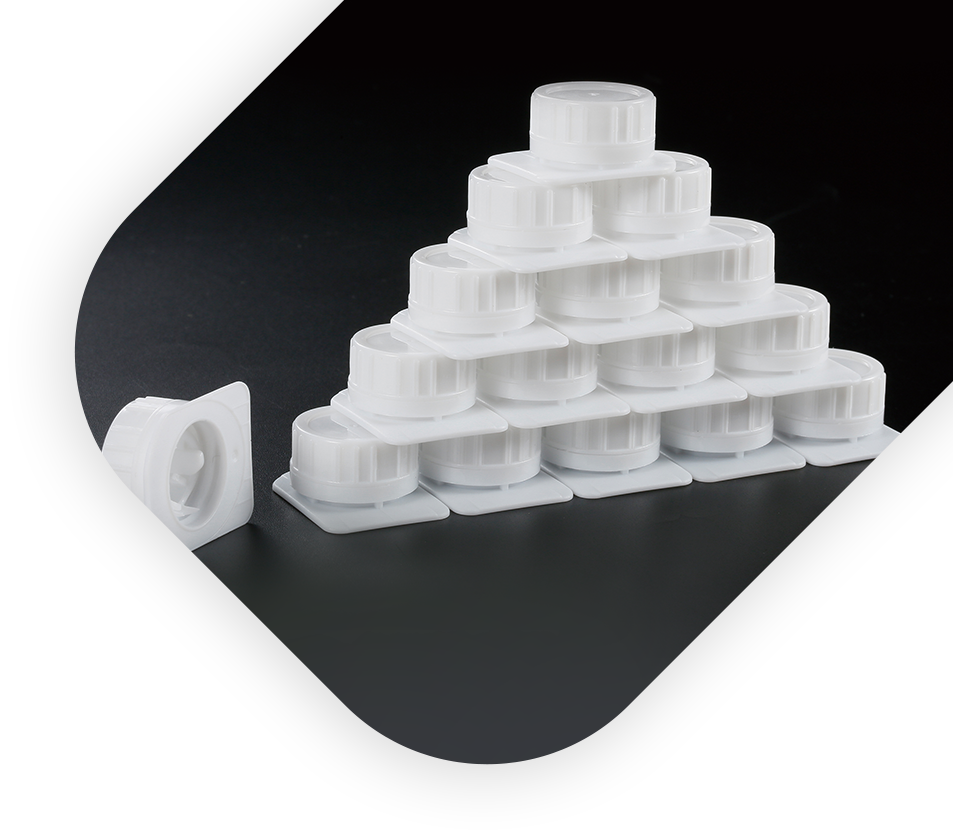
How Helicap 23 Aligns With Modern Beverage Filling Systems
Helicap 23 closures are designed to work efficiently with automated bottling equipment, which has become standard in beverage manufacturing. Filling lines today operate at high speeds, and closures must maintain dimensional consistency to avoid interruptions such as misapplication or sealing errors. The structural design of Helicap 23 allows it to be fed, oriented, and applied smoothly using automatic capping machines.
This compatibility supports consistent torque application during the sealing process, which helps maintain uniform sealing performance across large production volumes. Consistent sealing torque is important because it directly affects product freshness, leak prevention, and tamper evidence. If closures are applied with inconsistent torque, the risk of leakage or compromised seals may increase during transportation and storage.
Another aspect contributing to its adoption is its compatibility with widely used bottle neck finishes. Beverage manufacturers often standardize bottle designs to simplify procurement and production, and closures that match these standard neck specifications help avoid costly adjustments. Helicap 23 closures are designed to integrate into these existing systems without requiring major modifications to bottling lines.
In addition, automated quality inspection systems can easily verify the placement and integrity of these closures. This supports quality control efforts and reduces the likelihood of defective units reaching distribution channels.
Why Beverage Brands Value Consumer Convenience in Closure Design
Consumer interaction with packaging has become an important factor in closure selection. Helicap 23 closures are designed with usability in mind, allowing consumers to open and reseal bottles without excessive effort. This is especially relevant for products intended for repeated consumption, such as bottled water and ready-to-drink beverages.
Closures that provide smooth opening and resealing contribute to preserving product quality after initial use. Resealability helps reduce exposure to air and contaminants, which can affect taste and freshness over time. For carbonated beverages, proper resealing also helps maintain internal pressure for a longer period after opening.
Another element influencing closure choice is tamper evidence. Helicap 23 closures typically incorporate tamper-evident bands that separate from the cap upon opening. This visual indicator provides consumers with confidence that the product has not been opened previously.
From a practical standpoint, closures must balance ease of opening with secure sealing. If a closure is too tight, consumers may struggle to open it. If it is too loose, leakage risks increase. Helicap 23 closures are designed to maintain this balance through controlled manufacturing tolerances and standardized application methods.
Where Helicap 27 Fits Into Broader Beverage Packaging Requirements
Helicap 27 closures serve similar functional roles but are used for bottles requiring slightly different neck dimensions or structural requirements. These closures are often selected for beverage formats that involve higher internal pressure, larger bottle sizes, or specific packaging standards.
The slightly larger format of Helicap 27 closures can provide enhanced sealing surface area, which may support secure sealing in applications where internal pressure or handling conditions vary. This is particularly relevant for carbonated beverages, sparkling water, and certain functional drinks.
Manufacturers may choose between Helicap 23 and Helicap 27 depending on bottle design, filling pressure, and production line specifications. Both closure types are designed to integrate with automated production systems, supporting efficient manufacturing processes.
Material compatibility is another consideration. Helicap 27 closures are typically produced using food-grade plastic materials suitable for beverage applications. These materials are selected to maintain structural integrity during transportation and storage, while also meeting regulatory requirements related to food contact safety.