
 English
  русский
 عربى
عربى
Industry News
Content
- 1 Three Main Types of Aseptic Carton Caps
- 2 Opening Mechanism Compared Visually
- 3 Screw Cap: Structure, Specs and Best Fit
- 4 Flip Top Cap: Structure, Specs and Best Fit
- 5 Pull Ring Cap: Structure, Specs and Best Fit
- 6 Full Specification Comparison
- 7 Material and Liner Options by Cap Type
- 8 Common Problems and How Cap Type Affects Them
- 9 Decision Guide: How to Choose the Right Type
- 10 Cap Type by Beverage Category
- 11 Frequently Asked Questions
- 12 Partner with an Experienced Aseptic Carton Cap Manufacturer
Three Main Types of Aseptic Carton Caps
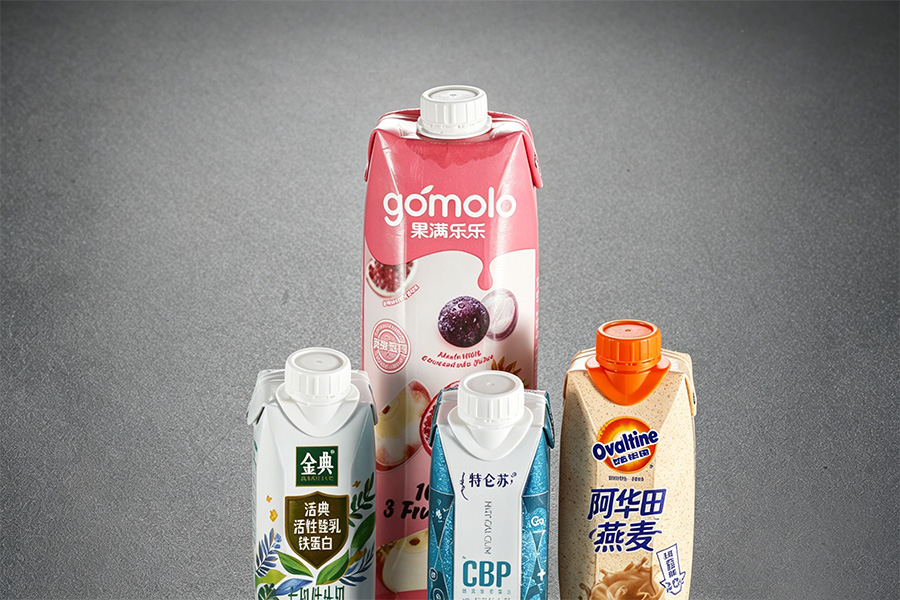
Screw cap, flip top cap and pull ring cap are the three most common opening systems used on aseptic carton packaging. They differ in how the pour hole is sealed, how the consumer opens the pack, how many times it can be reclosed, and how well they run on different filling line speeds. Picking the wrong type shows up later as leakage complaints, slow line output, or a cap that does not match the brand experience, so the structural differences are worth understanding before sourcing.
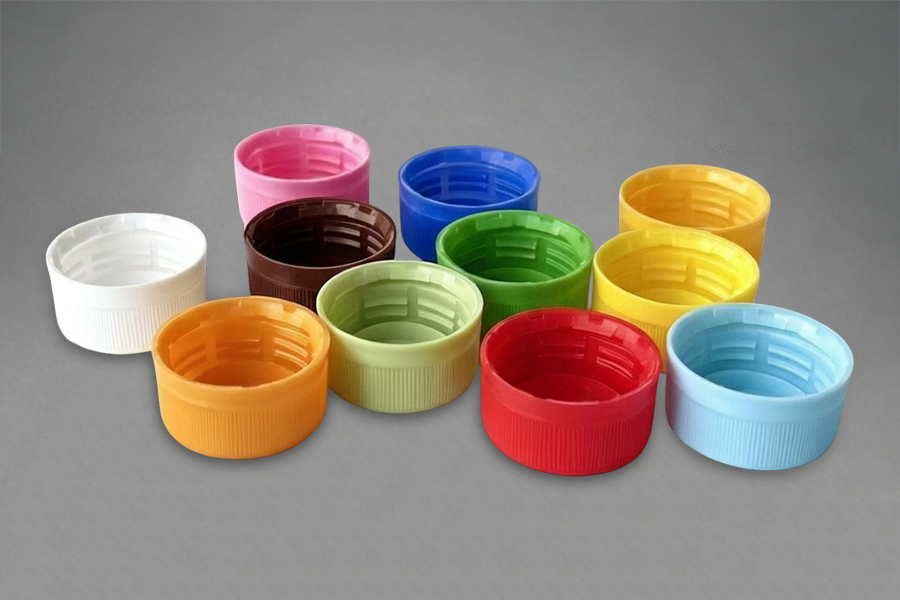
Screw Cap
Threaded closure, opens and recloses many times, most common on milk and large format juice.
Threaded closure, opens and recloses many times, most common on milk and large format juice.
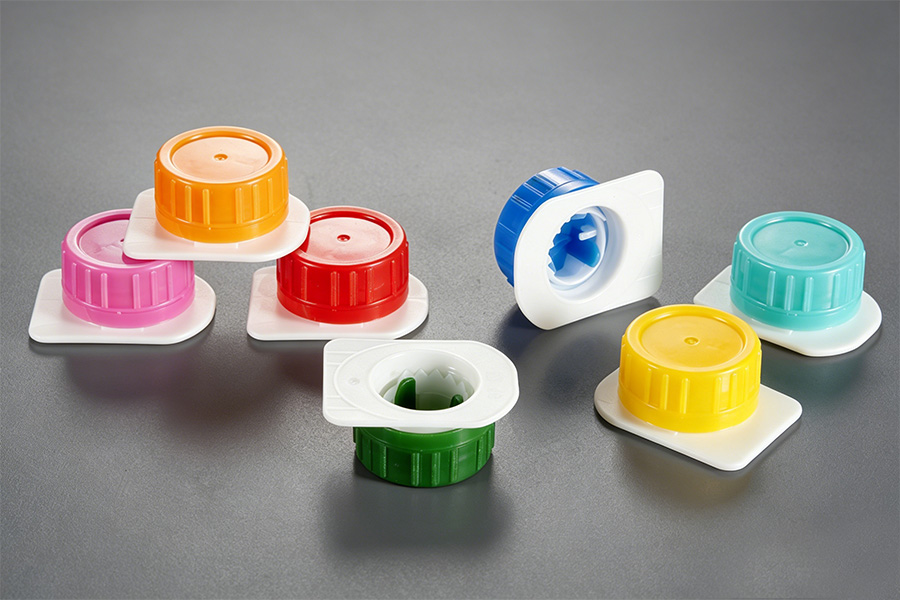
Flip Top Cap
Hinged lid, one finger opening, common on kids drinks and small formats.
Hinged lid, one finger opening, common on kids drinks and small formats.
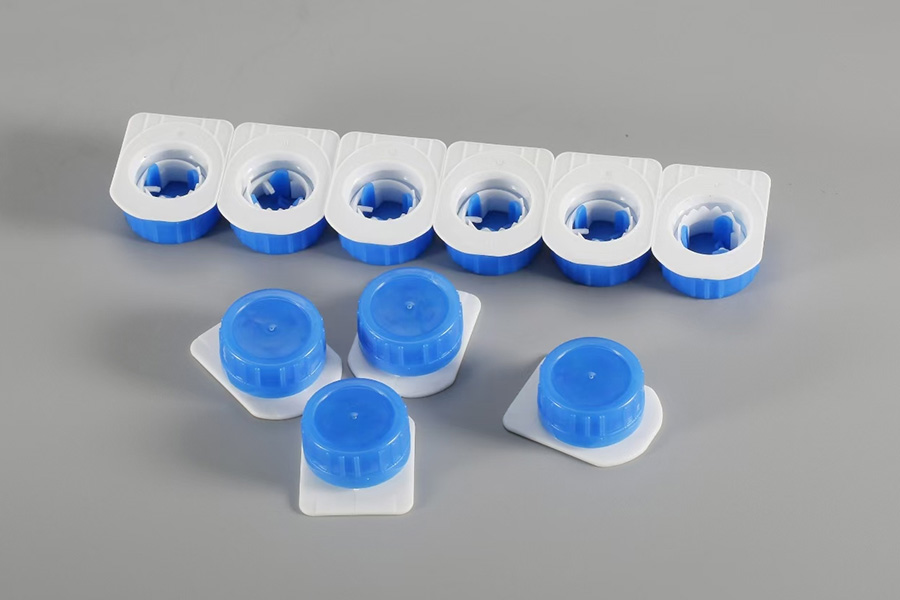
Pull Ring Cap
One time tear off ring, no reclose, common on single serve and premium lines.
One time tear off ring, no reclose, common on single serve and premium lines.
Opening Mechanism Compared Visually
The clearest way to tell these three types apart is by the physical motion needed to open them. The diagram below shows the core action for each cap type side by side.
Screw Cap: Structure, Specs and Best Fit
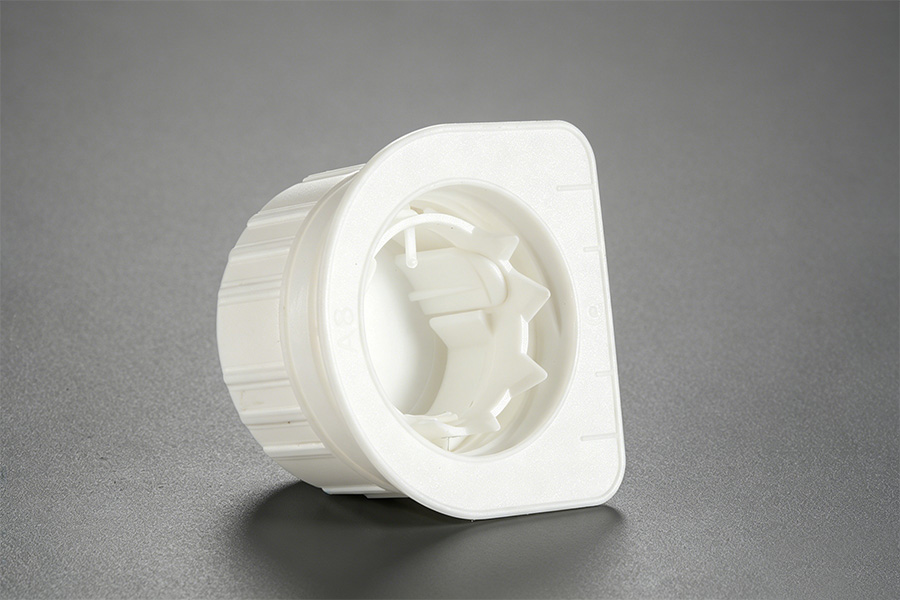
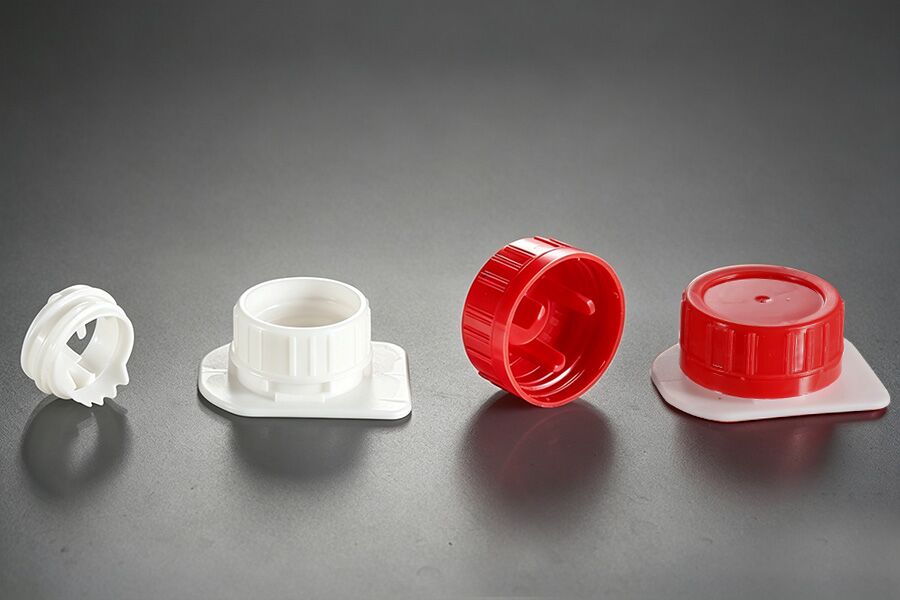
A screw cap has a base ring fixed to the carton surface and a threaded top piece that rotates to open or reseal the pour hole, with a foil or membrane liner underneath that is pierced on first use. The full rotation and reseal ability make it the default choice for products consumed across several days.
- Reseal cycles: designed to withstand repeated opening and closing without thread wear or seal loss.
- Torque control: capping torque must stay in a tight range, since under torque causes leakage and over torque can crack the base ring during high speed application.
- Liner type: aluminum foil liners give the strongest barrier for long shelf life products, while membrane liners suit shorter shelf life items.
- Best fit: fresh milk, UHT milk, large format juice, and any product where the consumer drinks from the pack over multiple servings.
Flip Top Cap: Structure, Specs and Best Fit
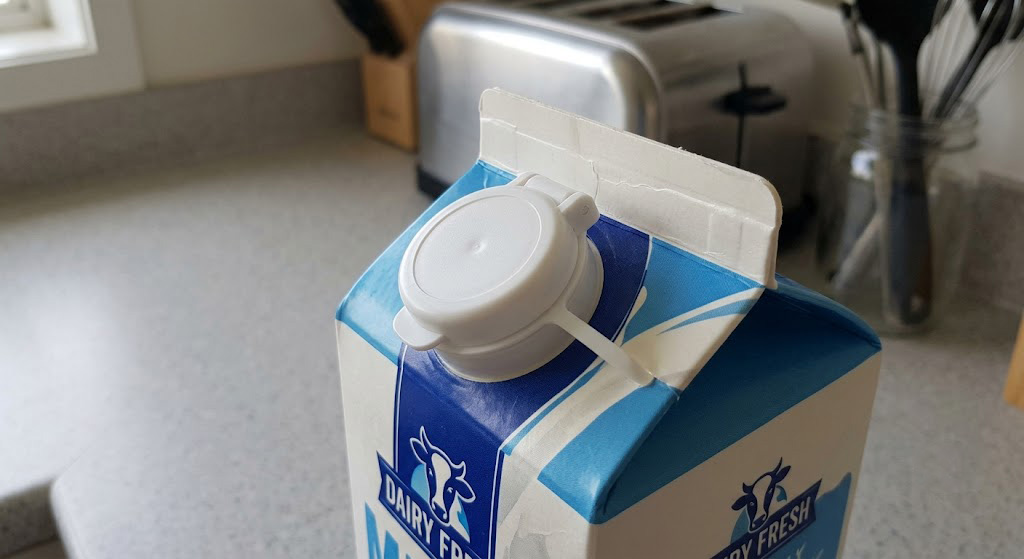
A flip top cap uses a molded hinge connecting a lid to a base ring, opened with a single lift motion instead of rotation. Many designs include a snap fit closure so the lid clicks shut again, giving partial reseal without threading.
- Hinge durability: the hinge is the most stress prone point, wall thickness there needs careful mold tuning so it neither cracks after repeated use nor feels too stiff to open.
- One hand opening: the main advantage over screw caps, especially valued for children and on the go consumption.
- Reseal strength: snap fit closure keeps out dust and reduces spill risk but offers a weaker seal than a full thread, so shelf life claims should account for this.
- Best fit: kids drinks, flavored milk, small format juice, and single hand consumption occasions.
Pull Ring Cap: Structure, Specs and Best Fit
A pull ring cap seals the pour hole with a membrane connected to a small ring tab, torn away in one motion with no reclosing afterward in most designs. This gives a visible tamper signal, since any prior opening is obvious.
- Peel force: the membrane bond strength must be tuned so the ring tears cleanly without leaving fragments or requiring excessive force.
- No reclose: suited to products meant for one sitting rather than multi day storage after opening.
- Tamper signal: the torn ring is a stronger visible cue of first opening than a broken foil liner under a screw cap.
- Best fit: single serve juice boxes, premium positioned drinks, and formats where a clean tear off experience supports the brand image.
Full Specification Comparison
| Feature | Screw Cap | Flip Top Cap | Pull Ring Cap |
| Reclose ability | Full, multiple times | Partial snap fit | None, single use |
| Opening motion | Rotate, two hand | Lift, one hand | Pull and tear, one hand |
| Tamper evidence | Foil membrane break | Foil membrane break | Visible ring tear |
| Typical product | Milk, large juice | Kids drinks, small format | Single serve juice, premium lines |
| Tooling complexity | Moderate | Higher due to hinge | Moderate |
| Capping line speed | Standard rotary capping | Standard press fit | Standard press fit |
| Typical pack size range | 500ml to 1L and above | 200ml to 500ml | 150ml to 330ml |
Material and Liner Options by Cap Type
The base resin and liner choice affect barrier performance, food contact compliance and cost, and the right combination differs by cap type.
| Cap Type | Common Resin | Liner Option | Barrier Level |
| Screw Cap | HDPE or PP | Aluminum foil or membrane | High with foil liner |
| Flip Top Cap | HDPE or PP | Foil or plastic membrane | Moderate to high |
| Pull Ring Cap | PP with PE membrane | Heat sealed membrane | Moderate |
All three types must use resins and liners that meet food contact compliance requirements for the target export market, and any migration testing results should be confirmed with the supplier before large volume orders.
Common Problems and How Cap Type Affects Them
| Issue | Screw Cap | Flip Top Cap | Pull Ring Cap |
| Leakage | Under torque during capping | Weak snap fit engagement | Membrane seal not fully bonded |
| Hard to open | Over torque or thread damage | Hinge wall too thick | Peel force set too high |
| Premature seal break | Foil liner too thin | Foil liner too thin | Membrane bond too weak |
Decision Guide: How to Choose the Right Type
The right cap type depends on how the product is actually consumed and how the filling line is set up, not on unit cost alone. Use the flow below as a starting point, then confirm with your cap supplier against your specific line data.
Cap Type by Beverage Category
| Category | Common Cap Type | Reason |
| Fresh and UHT milk | Screw cap | Multi day consumption after opening |
| Flavored milk, kids drinks | Flip top cap | One hand opening for young consumers |
| Large format juice | Screw cap | Reclose needed for family size packs |
| Single serve juice boxes | Pull ring cap | Consumed in one sitting, low cost |
| Plant based milk | Screw cap or flip top | Depends on pack size and target consumer |
| Premium or gifting lines | Pull ring or custom flip top | Distinctive opening supports brand image |
Frequently Asked Questions
Can one carton format use more than one cap type
Yes, many carton formats support multiple cap types, so the choice usually comes down to product behavior and target consumer rather than a fixed rule tied to the carton itself.
Does cap type affect capping line speed
Yes, screw caps generally need a rotary capping head with torque control, while flip top and pull ring caps are typically press fit applied, which can affect changeover time if a line switches between formats.
Is one cap type more sustainable than another
Material weight and resin type matter more than the opening mechanism itself, so any of the three types can be optimized for lighter weight and mono material construction to support recyclability goals.
Partner with an Experienced Aseptic Carton Cap Manufacturer
Choosing between screw cap, flip top and pull ring is only the first decision. Mold precision, resin selection, torque or peel force tuning, and line trial support determine whether the chosen cap performs consistently once production starts. Lile (Taizhou) Technology Co., Ltd. specializes in aseptic carton caps across all three formats, supporting dairy, juice and plant based beverage brands with cap design, tooling and filling line compatibility testing.
Working on a new product launch or evaluating a cap type switch? Share your carton format, pack size and filling line details, and our engineering team can recommend the specification that fits your production setup.