
 English
  русский
 عربى
عربى
Industry News
Home / Blogs / Industry News / Food Grade Aseptic Carton Caps: Materials, Sealing Performance and Selection
Content
A 500 ml aseptic carton of UHT milk can sit unrefrigerated for six months or longer. The paperboard blocks light, the aluminum layer holds back oxygen, and the polyethylene layers fuse the edges into a hermetic seal. But every one of those barriers is exposed the instant a consumer opens the cap. From that first twist to the last pour, the food grade aseptic carton cap is the part of the package that must preserve what the carton was built to protect.
The practical conclusion for buyers and packaging engineers is straightforward: treat the cap as a critical control point, not a commodity spare part. Choosing the right cap comes down to four things — verified food-contact materials, a sealing geometry that matches the filling process, reclosure performance that survives real daily use, and a supplier whose quality system you can audit before you commit to volume.
A cap does not become food grade because it looks clean. In the European Union, plastic materials intended for food contact are covered by Regulation (EU) No 10/2011, which sets an overall migration limit of 10 mg per square decimeter and requires a declaration of compliance. In the United States, polypropylene closures are typically evaluated against FDA 21 CFR 177.1520. The document buyers should request is a migration test report for the finished cap — not a marketing phrase on a datasheet.
Polypropylene is the dominant resin for food grade aseptic carton caps, and for good reason. It resists the chemicals used in aseptic filling, keeps its dimensions across a practical temperature range, and does not add odor or flavor to the product. Sensory neutrality matters as much as chemistry: a cap that passes migration testing can still ruin a mild dairy drink if it transfers a plastic taste. That is why reputable converters control both the resin grade and the processing conditions.
The regulatory picture changes with your export markets, so confirm the requirements before tooling is cut. Food-contact closure regulations differ in documentation and testing detail, and a cap qualified for one region may need additional evidence for another.
A simple way to think about it: the cap must do no harm by chemistry, and do its job by geometry. Both requirements need evidence, and the evidence has to come from the cap you intend to buy, not from a generic material certificate.
The closure structure defines the daily experience of the consumer, but it also defines what your filling line has to tolerate. Screw caps with a breakable tamper band are the most common choice for milk and juice; flip-top hinged caps suit one-hand opening; pull-push sports caps serve high-frequency drinking. The differences between aseptic carton cap types show up mainly in capping torque, hinge durability, and reclosure force — issues that usually surface only after the product is in the market.
| Cap structure | Best suited for | Strong points | Points to verify |
|---|---|---|---|
| Screw cap with tamper band | Milk, dairy, juice, plant-based drinks | Strong reclosure, clear tamper evidence, simple filling-line integration | Foil seal may be needed for oxygen-sensitive products; requires two hands |
| Flip-top hinged cap | Children's drinks, on-the-go products | One-hand opening, attached lid, good pour control | Hinge fatigue after many cycles; capping force must be tuned |
| Pull-push sports cap | Sports drinks, active consumption | Quick access, ergonomic mouthpiece, one-hand reseal | More components, higher unit cost; needs capping chuck compatibility |
Foil-sealed caps add a second barrier between the product and the cap. An aluminum-based composite liner is induction-sealed onto the spout after capping, giving oxygen-sensitive liquids an extra layer of protection and giving consumers a visible tamper check before first use. The trade-off is process cost: foil integration requires an induction sealing station and precise heat control, so the decision belongs with your production team.
Whatever structure you choose, confirm that the cap is available in a tamper-evident configuration and that the tamper band breaks cleanly without leaving sharp edges — a common complaint that is only discovered too late.
Cross-section of a food grade aseptic carton cap: cap body, tamper band, foil seal, and carton wall layers.
No single cap design suits every aseptic product. Carbonated drinks pressurize the pack, viscous sauces need a wider mouth, and hot-filled coffees stress both the threads and the sealing ring. Matching the cap to the liquid is the fastest way to avoid leaks, difficult openings, and consumer complaints.
Hygiene and reclosure are the priorities; foil seals are common. The dairy carton caps range is built for these conditions.
Pouring accuracy and oxygen barrier matter most; spout angle determines drip and splash behavior.
Internal pressure demands stronger threads and a pressure-tested sealing geometry.
A wider mouth and a clean-pour spout handle thick, viscous products.
Heat tolerance, comfortable grip, and one-hand operation are the deciding factors.
A durable hinge, ergonomic mouthpiece, and quick resealing support frequent drinking.
For standard still-liquid lines — milk, juice, and water-based drinks — the food-grade aseptic carton caps range covers the common spout sizes and sealing options used in this segment.
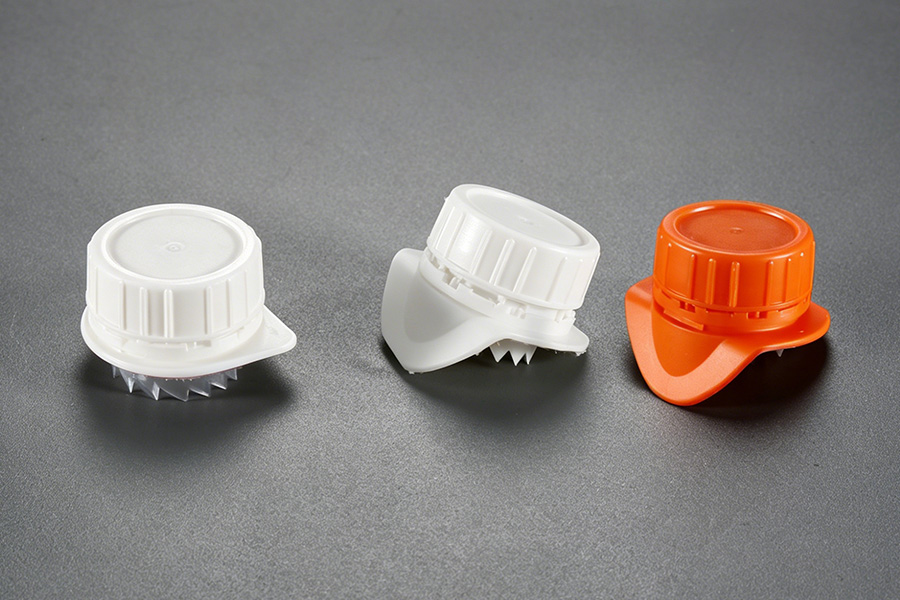 Food Grade Aseptic Carton Caps Manufacturer & Supplier | Taizhou LileLile (Taizhou) Technology Co., Ltd, a China food grade aseptic carton caps manufacturer & supplier, offers OEM/ODM PP/PE caps for juice, ...View Product →
If you produce several SKUs on one line, check whether the same cap family can serve multiple products; reducing cap variants simplifies procurement, inventory, and changeover.
The cap is the only part of the aseptic package that is opened and closed repeatedly — exactly where most field complaints originate. The difference between a cap that works in the lab and a cap that works in your plant is usually found during qualification. Run these five checks before you commit to a production order:
Most of these checks should happen before the first volume order. A supplier that documents its manufacturing and quality process openly — from precision molding to finished-part inspection — is easier to qualify and more predictable to work with.
The aseptic performance of a carton never depends on the cap alone; the foil, the spout finish, and the carton body all participate. Some suppliers reduce qualification risk by also supplying the aseptic carton packaging formats that pair with their closures, giving you one owner for fit and sealing behavior.
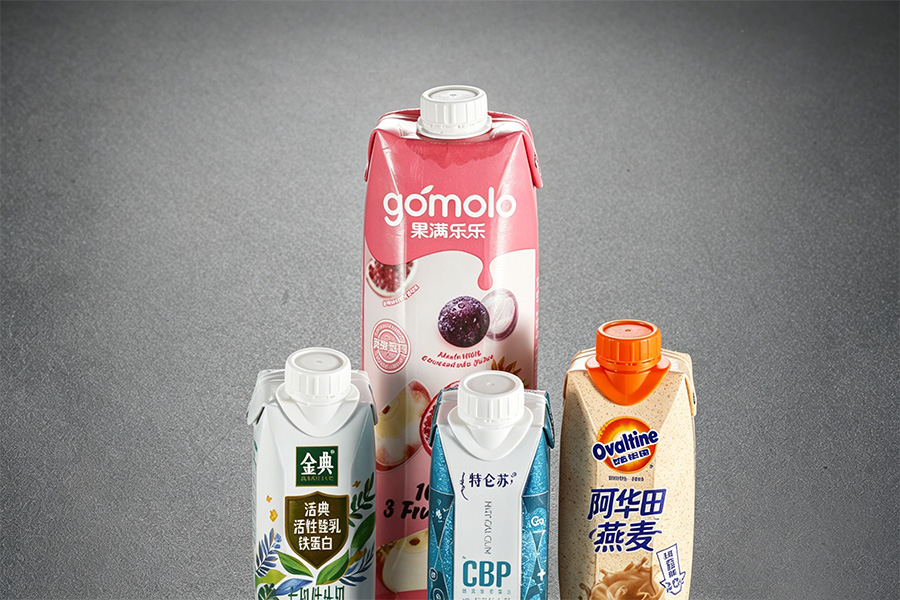 Aseptic Carton Formats | Brik, Slim, Prisma, Rex and Gemina PackagingLile (Taizhou) Technology Co., Ltd, a China aseptic carton cap direct manufacturer, offers matching caps and capacities for common asepti...View Product →
Caps are specified once, but they perform every day for the life of the product. Spending the same rigor on closure selection that you spend on the carton material is the simplest way to keep leaks, difficult openings, and reseal failures out of the market.
If you have any questions, please fill out the contact form at the bottom of the page and contact us.
© Lile (Taizhou) Technology Co., Ltd.
Toudao Town, Taizhou City, Zhejiang Province, China.
liletz@163.com
+8613706571648