
 English
 русский
 عربى

Industry News
Home / Blogs / Industry News / Tea Beverage Carton Caps: Sealing, Flavor Protection and Closure Choice for RTD Tea
Content
The best carton cap for RTD tea is a screw cap with a tight bore seal, a clean tamper-evident band and an opening sized for how the tea is poured or sipped. Tea loses its value through aroma and color long before it becomes unsafe, so the cap has to limit air exchange after opening, stay neutral in odor and keep sweet or milky tea off the thread. Pick the opening size by pack volume, pick the structure by sipping or pouring habit, and test every candidate with your own tea instead of water.
Tea is one of the most common drinks packed in aseptic cartons, and it is also one of the easiest to spoil in the consumer's hands. The cap is a small part, but it decides what happens in the hours and days after the first opening. This guide covers what a tea carton cap actually has to do, how the needs differ between green, black, milk and fruit tea, and how to test samples before you commit to a volume order.
Tea is mostly water, yet what people pay for sits in a few fragile components: aroma compounds that fade quickly, polyphenols that darken when they meet oxygen, and a bright, clear color. An unopened aseptic carton protects these through its layered structure, and the cap sits over an opening that has not been touched yet. After the first opening, that changes. The cap becomes the only barrier between the tea and the air, the refrigerator shelf and the bag it gets carried in.
Family-size tea cartons are usually opened and closed several times over a day or two, and single-serve packs get dropped into bags between sips. Every cycle exchanges a little air and presses the cap against whatever residue is already on the thread. A cap that looks fine on a drawing can still let tea go flat faster than expected if its seal is marginal. That is why tea deserves its own closure review instead of simply copying what a juice or milk carton uses.
A loose or uneven seal lets oxygen in each time the pack is reclosed. In tea this shows up as a darker liquid and a duller aroma after a day or two. The seal depends on the bore seal geometry and on how well the thread engages, so both should be checked on a real filled carton.
Delicate teas such as jasmine, oolong and white tea make any off-odor easy to notice. Resin, colorant or processing residue in a cap can leave a faint plastic note in the headspace, and plastic can also absorb some aroma from the drink. Ask for a smell test on the cap in a closed container, and compare the tea stored with the cap against tea stored without it.
Sugar, milk solids and tea solids dry into a sticky film on the thread. That film makes the cap harder to turn, collects dust and leaves consumers with sticky fingers. A smooth thread profile and a pour edge that cuts the stream cleanly reduce how much tea ends up where it should not.
The band should break cleanly on the first turn and stay attached to the ring. A band that tears unevenly makes the pack look used, even when it is untouched. Application torque also matters: over-tightening on the line can distort the seal, while under-tightening leaves the cap loose in transit.
Tea is not one product. A clear unsweetened green tea and a sweet milk tea put completely different stress on the same cap. The table below shows what each style demands.
| Tea type | What the cap must handle | Practical priority |
| Unsweetened green, jasmine, oolong | Delicate aroma, sensitivity to oxygen | Odor-neutral material, tight reseal |
| Black tea and lemon tea | Color darkening, acidity from lemon | Stable seal, clean pour edge |
| Sweetened milk tea | Milk solids and sugar sticking to the thread | Smooth thread, drip control, easy grip |
| Fruit tea with pulp or sacs | Particles passing through the opening | Wider opening, no restriction at the neck |
| Tea concentrate or cold brew | Strong flavor, small servings, repeated use | Controlled pour, reliable reseal |
Use the table as a screening tool. The final call comes from sample tests with your own formula, because sugar level, milk content and particle size change how a cap behaves more than the tea leaf itself.
A small carton is often sipped straight from the opening and carried in a bag. The priority is a reliable reseal and a band that signals the pack is untouched. The cap should be comfortable on the lips, easy to open with one hand and firm enough that it does not loosen when the pack is knocked around.
A 1 litre tea carton is poured into glasses at the table and then returned to the fridge. Here a larger opening gives a smooth, steady stream and avoids the glugging that makes sweet tea splash. Drip control matters more than on small packs, because the carton is tilted at a steeper angle and the thread gets wet on every pour.
Teas that carry fruit pulp, gel pieces or fine leaf particles need an opening that does not choke the flow. Concentrates, on the other hand, are poured in small amounts, so a narrower opening that gives control can be the better fit. In both cases the supplier needs your formula details, not only the carton format.
A purchase order that only says "carton cap" leaves too much to chance. These are the points that most often decide whether a tea cap performs well:
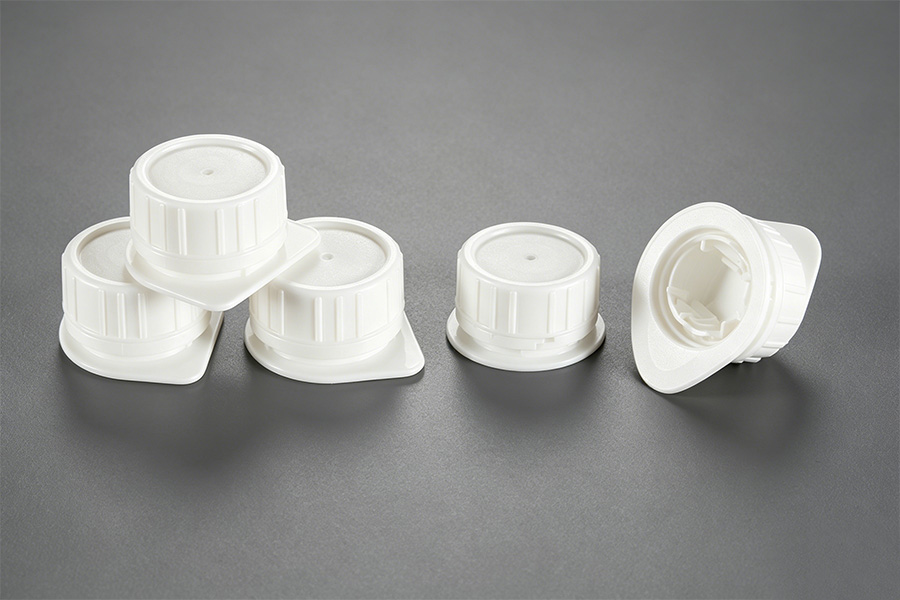
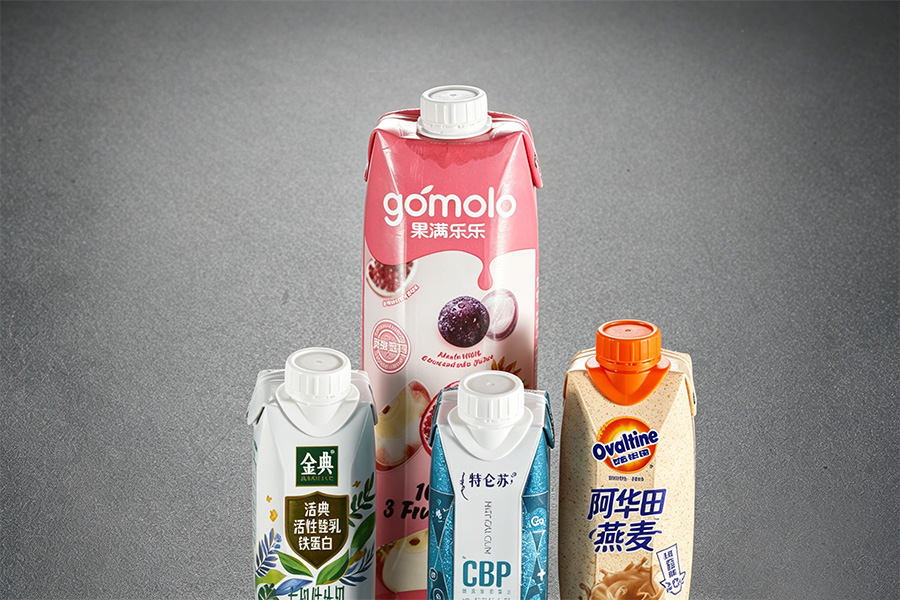
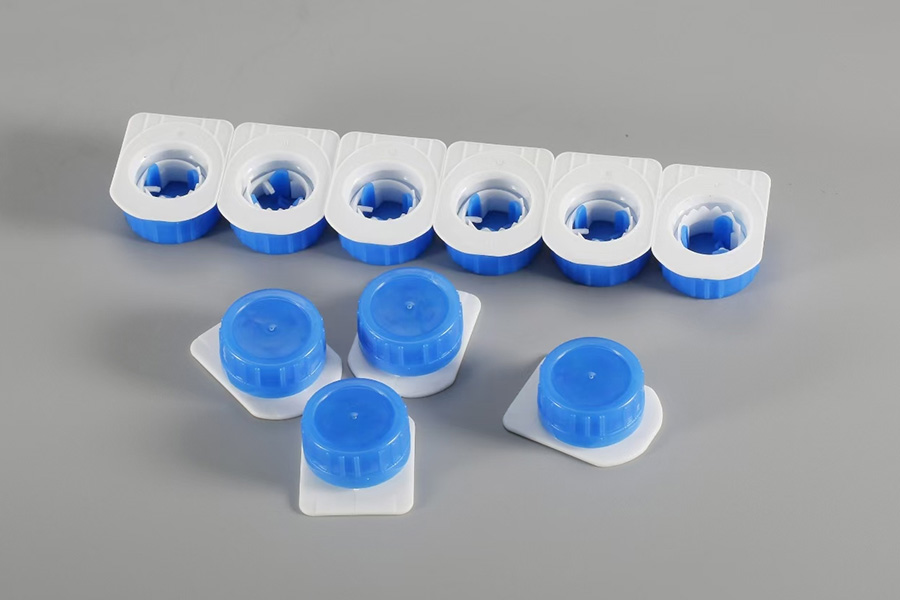
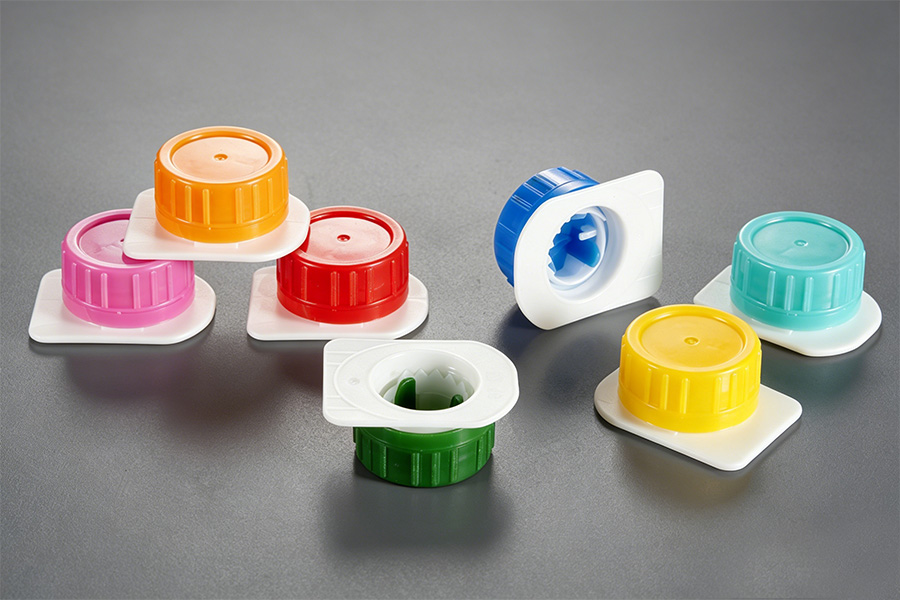
Tea is among the most widely used categories in aseptic carton packaging, and our Tea Beverage Carton Caps are developed around that use. They are screw closures made for tea cartons, available through OEM and ODM projects so the opening size, structure and color can be matched to your carton format and tea formula.
If your tea needs something outside the standard range, such as a special color per flavor or a modified structure, the custom plastic caps and closures service covers tailored development from small trial runs to large volumes.
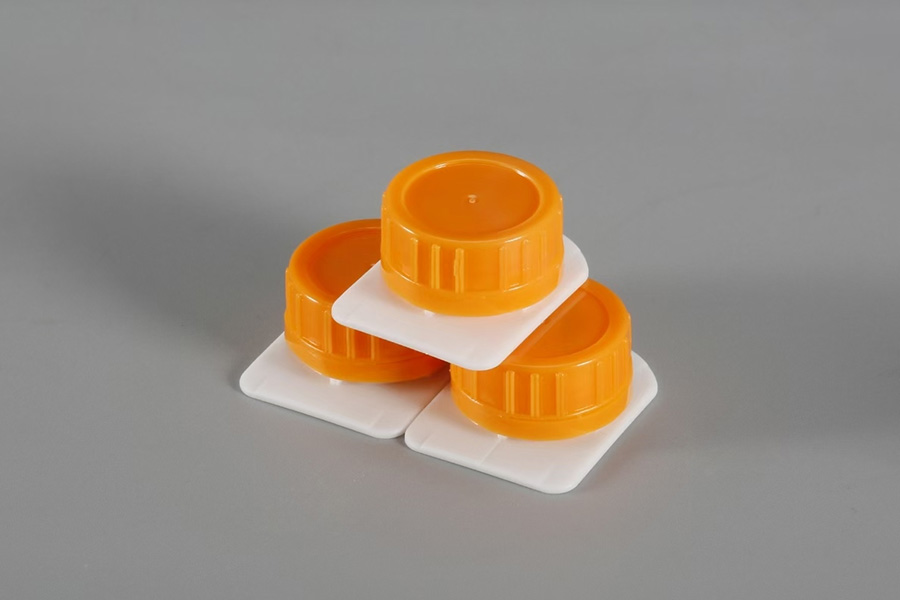
RTD Coffee Carton Caps for ready-to-drink coffee in aseptic cartons.
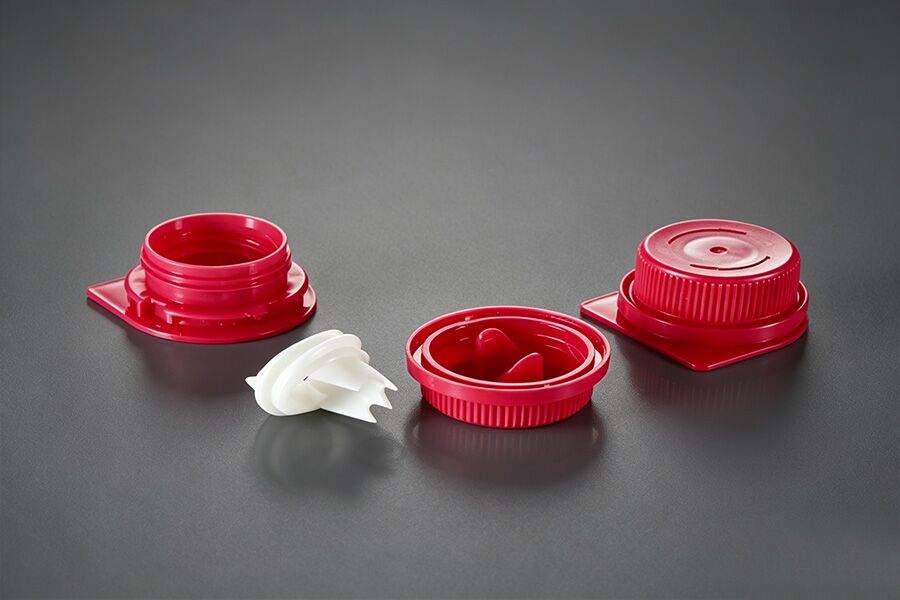
Juice Carton Caps for brands that want hygienic, convenient closing.
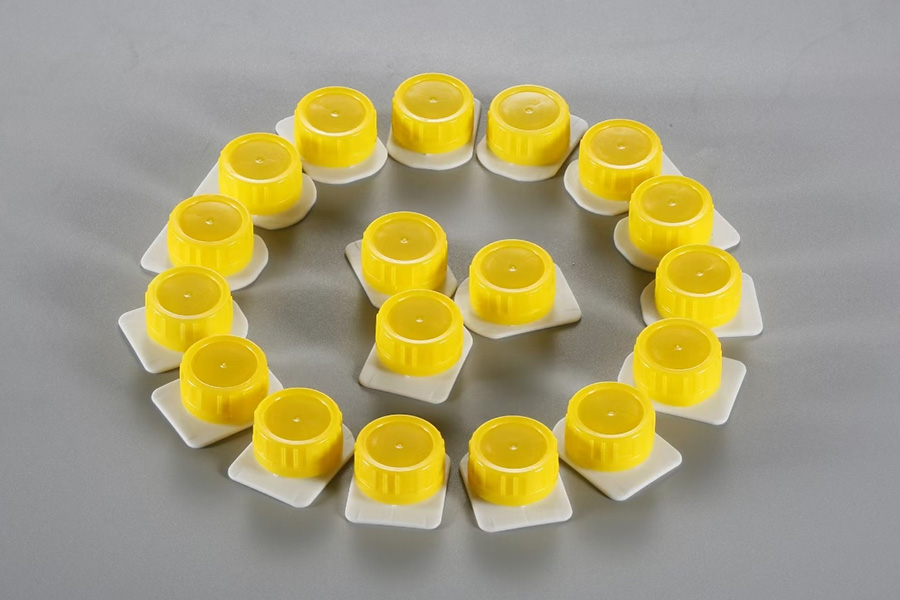
Dairy Carton Caps designed for dairy carton packaging.
Water tests miss most of what goes wrong with tea. Run the following checks with your actual formula and your actual carton:
A complete request saves a round of emails. Include:
You can send these details through the contact page, and our team will recommend a cap structure and arrange samples for your own filling trial.
Yes, mainly after the carton has been opened. A poor seal lets oxygen in, which darkens the color and dulls the aroma, and a cap with a residual odor can add a plastic note that delicate teas make obvious. Before opening, the carton structure does most of the protection.
Choose a screw cap with a smooth thread, a clean pour edge and good drip control. Milk solids and sugar dry into a sticky film, so how easily the thread stays clean matters more than any extra feature.
If the carton format and opening are the same, the cap can physically fit both. Whether it should is a different question. Tea puts more weight on odor neutrality and reseal, while pulpy juices need a larger opening, so run a sample test on each product before sharing one cap across the range.
The opening should be large enough to give a steady stream without glugging, and it is set by the carton format and the spout or pre-punched hole. Send your carton drawing so the cap can be matched to it, and confirm the pour behavior on a filled sample.
Yes. Cap color is one of the simplest customization options, and many brands assign one color per flavor so shoppers can find their variety quickly. Share the color references and expected volumes when you request a quote.
Request enough to cover every test condition, including chilled and room-temperature storage, repeated opening, and a transport test, with spare caps for destructive checks. Ask the supplier to confirm the sample quantity against your filling trial plan.
If you have any questions, please fill out the contact form at the bottom of the page and contact us.
© Lile (Taizhou) Technology Co., Ltd.
Toudao Town, Taizhou City, Zhejiang Province, China.
liletz@163.com
+8613706571648