
 English
 русский
 عربى

Industry News
Content
- 1 What Are Custom Plastic Bottle Caps?
- 2 Which Plastic Materials Are Used for Custom Bottle Caps?
- 3 Bottle Cap Sizes and Neck Finish Compatibility
- 4 Custom Bottle Cap Designs for Different Beverage Applications
- 5 Color, Logo, and Appearance Customization Options
- 6 When Does a Custom Bottle Cap Project Need a New Mold?
- 7 How to Prepare an OEM Custom Plastic Bottle Cap Order
- 8 How to Evaluate a Custom Plastic Bottle Cap Manufacturer
- 9 Frequently Asked Questions About Custom Plastic Bottle Caps
- 9.1 Can plastic bottle caps be customized with a company logo?
- 9.2 What materials are commonly used for custom plastic bottle caps?
- 9.3 Can you manufacture custom 28mm and 30mm bottle caps?
- 9.4 Do custom plastic bottle caps require new molds?
- 9.5 Can I order samples before placing a bulk order?
- 9.6 What is the MOQ for custom plastic bottle caps?
- 9.7 What information should I send when requesting a custom cap quotation?
Custom plastic bottle caps are developed to match a bottle's neck finish, sealing requirements, opening method, material preferences, and brand identity. For beverage manufacturers, choosing a custom cap involves more than selecting a diameter or color. The cap must fit the existing bottle design, work with the filling and capping process, provide reliable resealing, and support the intended product positioning. We provide customized plastic caps and closures for water, beverages, and liquid food packaging, with options for material selection, cap colors, logo application, structural adjustments, and mold development. By confirming these requirements before mass production, buyers can develop a closure solution that fits both their packaging specifications and purchasing plans.
What Can Be Customized?
Cap Structure Opening mechanism, thread design, and sealing structure
Material PP, PE, and other suitable plastic material options
Appearance Custom colors, surface finishes, and logo placement
Mold Development Cap dimensions and structures matched to bottle specifications
What Are Custom Plastic Bottle Caps?
Custom plastic bottle caps are closures designed or modified according to the packaging requirements of a particular beverage or liquid product. Unlike standard caps selected directly from an existing product range, custom closures allow manufacturers and brand owners to specify details such as dimensions, thread profiles, material, color, opening style, and branding elements.
A custom cap project can involve a relatively simple modification, such as changing the cap color or adding a logo, or a more detailed development process that requires adjustments to the mold and internal structure. The appropriate approach depends on the bottle design, existing neck finish, filling equipment, and intended application.
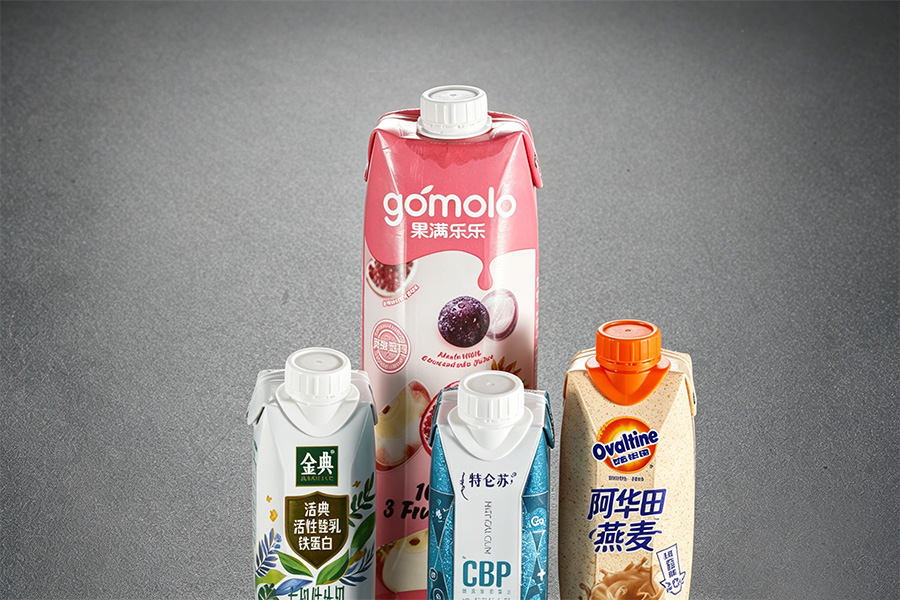
For example, a bottled water producer may only need a standard screw cap with a customized brand color. A sports beverage brand may prefer a push-pull closure that allows convenient drinking during physical activity. A liquid food packaging project using cartons may require a cap designed specifically for the carton spout rather than a conventional PET bottle neck.
Standard Caps
Existing Specifications
Selected from available molds and established product designs. Suitable when the bottle neck and packaging requirements already match a standard model.
Custom Caps
Project-Specific Design
Adjusted to meet individual requirements for dimensions, color, logo, opening mechanism, or other structural details.
For buyers who need several closure types across different beverage products, working with a manufacturer that covers multiple cap categories can simplify product development and purchasing. Our custom plastic caps and closures service covers different requirements for bottled water, beverages, and aseptic carton packaging.
Which Plastic Materials Are Used for Custom Bottle Caps?
Material selection affects cap rigidity, flexibility, molding behavior, opening feel, and compatibility with the intended packaging application. Polypropylene (PP) and polyethylene (PE) are two commonly used materials in plastic closure manufacturing. The right choice depends on the cap structure and its working conditions rather than on a universal preference for one material.
01
Polypropylene (PP)
PP is commonly selected for caps that require a relatively rigid structure and dimensional stability. It is suitable for various screw caps, sports closures, and other molded plastic components. Its mechanical properties also make it useful for designs involving flexible features, depending on the resin grade and product structure.
- Suitable for many rigid closure structures.
- Available for different beverage packaging applications.
- Can be processed into different colors and surface designs.
02
Polyethylene (PE)
PE offers flexibility and impact resistance, making it a practical option for certain cap designs. Different PE grades have different mechanical characteristics, so the specific grade should be selected according to the closure's geometry, sealing requirements, and intended use.
- Offers flexibility for selected closure structures.
- Can be used for different bottle and carton closure applications.
- Supports different molding and customization requirements.
| Material | General Characteristics | Selection Considerations |
| PP | Relatively rigid and dimensionally stable | Cap structure, mechanical requirements, and molding design |
| PE | Flexible with good impact resistance | Required flexibility, closure geometry, and application |
Material selection should be confirmed together with the cap structure and bottle specifications. The same resin may perform differently in closures with different wall thicknesses, thread designs, and opening mechanisms. We evaluate material options according to the actual product requirements instead of applying one material specification to every custom cap project.
Bottle Cap Sizes and Neck Finish Compatibility
Cap size is one of the first specifications buyers need to confirm when developing custom plastic bottle caps. However, the nominal diameter alone does not determine whether a cap will fit a bottle. The bottle neck finish includes details such as thread geometry, sealing surface, neck height, and other dimensional features that affect the connection between the cap and bottle.
For this reason, buyers should provide the complete neck finish specification rather than ordering a cap based only on a measurement taken across the bottle opening.
28mm
28mm Bottle Caps
A widely used size category for PET bottled water and other beverage packaging. The exact cap design must match the corresponding bottle neck finish.
30mm
30mm Bottle Caps
Used for selected bottle designs with a larger neck opening. Buyers should confirm the complete thread and sealing specifications before production.
Custom
Non-Standard Sizes
Developed according to bottle drawings, neck dimensions, or physical samples when an existing standard cap does not meet the project requirements.
Important Dimensions to Confirm
- Outer diameter: The external width of the cap, which influences the overall closure dimensions and appearance.
- Inner diameter: The internal dimensions that determine how the cap fits around the bottle neck.
- Thread profile: The thread shape, pitch, and engagement that allow the cap to screw onto the bottle correctly.
- Cap height: The overall height of the closure, which affects the packaging appearance and structural design.
- Sealing structure: The contact area and internal design responsible for maintaining the intended closure performance.
Important:
Two caps with the same nominal diameter are not necessarily interchangeable. Different neck finishes may have different thread dimensions and sealing surfaces. Always confirm compatibility using technical drawings or physical samples before approving a custom cap design.
We provide plastic water bottle caps in different product categories, including 28mm and 30mm caps. For projects requiring a different specification, we can review the existing bottle neck information and discuss the appropriate customization approach.
Custom Bottle Cap Designs for Different Beverage Applications
The intended beverage and consumption method influence the type of closure a brand should choose. A cap designed for everyday bottled water does not necessarily offer the same convenience as one developed for sports drinks or liquid food cartons. Selecting the correct structure at the beginning helps align the packaging with the product's distribution and usage requirements.
01 / Everyday Beverage Packaging
Standard Screw Caps
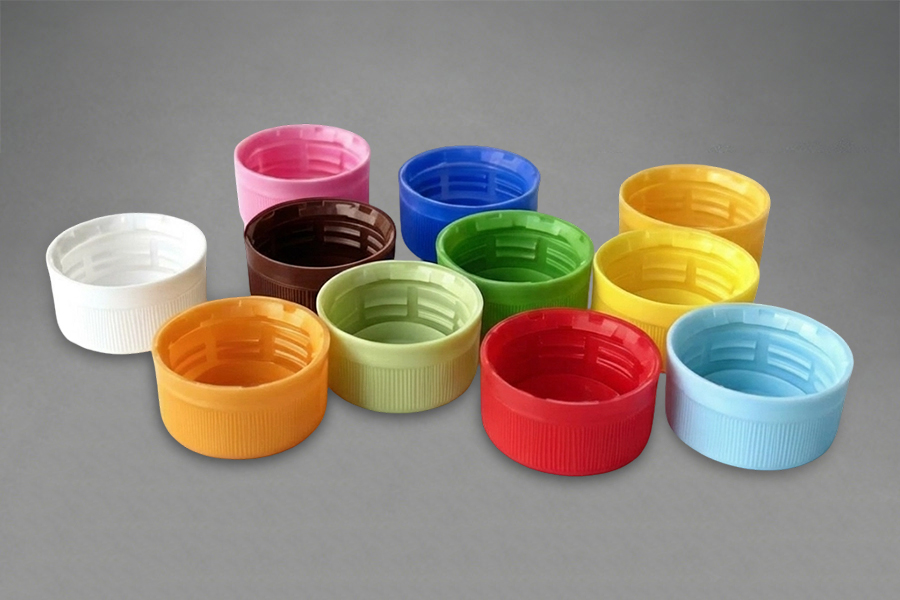
Standard screw caps are commonly used for bottled water, purified water, and other beverages. Their threaded structure allows consumers to open and reseal the bottle through a simple twisting motion. Customization may involve cap diameter, color, surface texture, logo, and tamper-evident band design.
This option is suitable for brands looking for a familiar closure structure that can be matched to existing PET bottle designs.
02 / Sports and Outdoor Consumption
Sports and Pop-Up Caps
Sports closures are designed to provide convenient access to beverages during exercise, outdoor activities, and travel. Push-pull caps allow users to open the drinking spout by pulling it upward and close it by pushing it downward. Pop-up designs use a different opening mechanism to provide access to the drinking outlet.
When customizing these closures, buyers should consider the spout design, opening and closing feel, cap dimensions, and compatibility with the bottle neck.
03 / Shelf-Stable Liquid Products
Aseptic Carton Caps
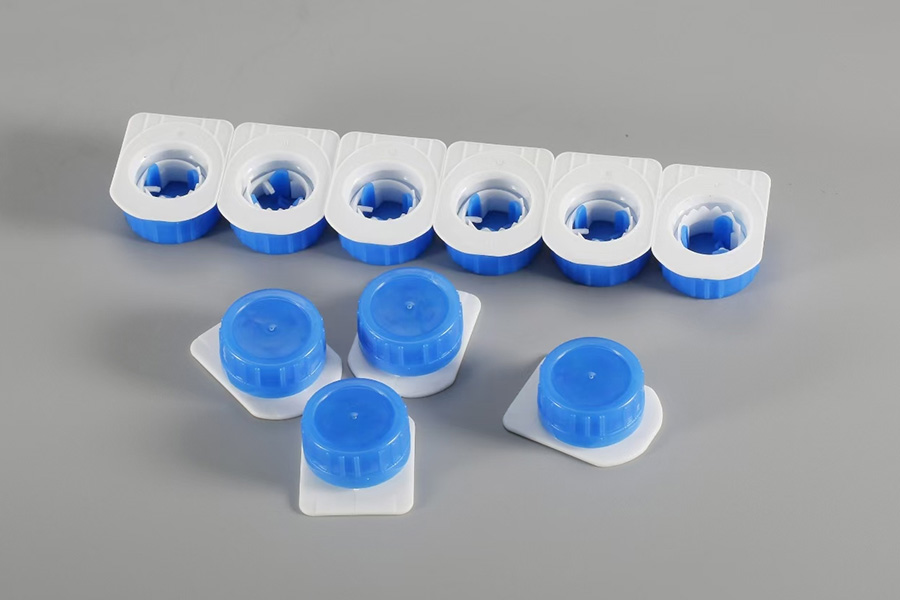
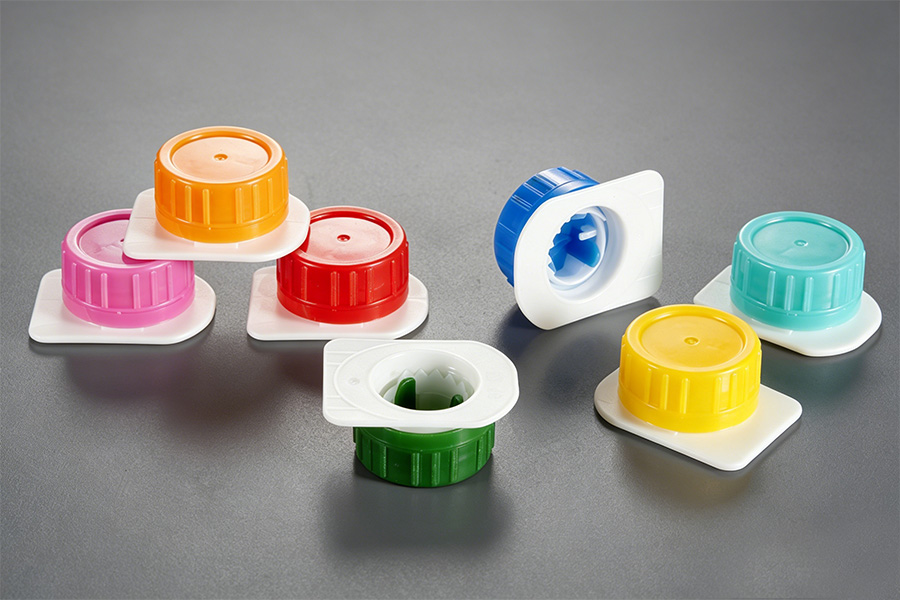
Aseptic carton caps are designed for carton packaging rather than conventional PET bottles. They connect to a designated carton spout and may be used for products such as juice, dairy beverages, tea, coffee, and other liquid foods.
Their design needs to match the carton format, spout dimensions, opening structure, and filling requirements. These projects should be evaluated separately from standard plastic bottle cap development.
04 / Brand-Specific Packaging
Fully Customized Closures
Some beverage brands require a closure that differs from common catalog designs. This may include a unique cap profile, a special opening mechanism, a specific color combination, or a proprietary neck connection. In these cases, custom mold development can be considered after reviewing the bottle design and technical requirements.
Color, Logo, and Appearance Customization Options
The appearance of a bottle cap is an important part of product packaging. A consistent closure color and recognizable logo help maintain brand identity across different beverage products and bottle sizes. For brands with multiple product lines, custom appearance options also make it easier to distinguish different flavors, product categories, or packaging series.
A
Color Matching
We support custom cap colors based on brand requirements. Pantone color references or physical color samples can be provided to help confirm the target appearance before mass production.
B
Logo Customization
Logo options may include embossed designs, in-mold labeling, pad printing, or surface printing. The suitable process depends on the cap structure, logo artwork, and order requirements.
C
Surface Design
Surface appearance can be adjusted through different textures, finishes, and structural details. These choices should be coordinated with the overall packaging design.
D
Packaging Coordination
Cap appearance can be planned together with bottle colors, labels, and other packaging components to create a consistent visual presentation across the product range.
For accurate color matching, we recommend confirming the target color through a physical sample before approving the production version. Screen displays and digital color references may differ from the actual molded plastic appearance. Buyers should also provide clear logo artwork and indicate the preferred logo position, size, and application method.
When Does a Custom Bottle Cap Project Need a New Mold?
Not every customized plastic cap requires a new mold. If an existing cap structure already matches the bottle neck and functional requirements, the project may only need adjustments to color, logo, or surface appearance. New mold development becomes relevant when the existing tooling cannot produce the required dimensions, thread profile, opening structure, or overall cap design.
OPTION 1
Use an Existing Mold
Suitable when the bottle neck finish and cap structure match an available model. Custom color and selected branding options may be added without changing the basic mold design.
OPTION 2
Modify the Existing Design
Considered when certain design details need adjustment but the basic closure structure can still be used. The feasibility depends on the existing mold and the extent of the requested changes.
OPTION 3
Develop a New Mold
Suitable for proprietary bottle necks, non-standard dimensions, or new cap structures that cannot be achieved through existing tooling.
Before deciding on new tooling, buyers should provide the bottle neck drawing, preform specifications, or a physical sample. We can review the available information and determine whether an existing cap model is suitable or whether mold development should be considered.
This evaluation is particularly important for projects involving multiple bottle sizes. A brand may use the same visual identity across different products, but the actual cap structures may need to vary according to the neck finish and filling equipment.
How to Prepare an OEM Custom Plastic Bottle Cap Order
A clear technical brief helps manufacturers evaluate a custom closure project more efficiently. Instead of beginning with only a product name or a reference photograph, buyers should prepare the information needed to assess fit, material, appearance, tooling, and production requirements.
01
Provide Bottle Specifications
Share the bottle neck finish, nominal diameter, thread information, preform drawings, or physical samples. If the bottle is already in production, the existing bottle mold specifications are also useful.
02
Confirm the Cap Structure
Specify whether you need a standard screw cap, sports cap, pop-up closure, or another design. Reference images and samples can help clarify the expected opening mechanism and appearance.
03
Select Material and Color
Identify the preferred material, color reference, logo design, and surface treatment. If the material has not been determined, describe the beverage application and intended packaging conditions so suitable options can be evaluated.
04
Review Samples and Mold Requirements
Confirm whether existing tooling can meet the project requirements. Review sample dimensions, thread engagement, opening feel, and sealing performance before approving the design.
05
Confirm Order Details and Production
Finalize the model, material, color, logo process, order quantity, packaging method, and delivery schedule. These details provide a clear basis for production planning and quotation.
Information to prepare before requesting a quotation
- Bottle neck finish or technical drawing
- Required cap type and reference images
- Preferred plastic material
- Color reference and logo artwork
- Expected order quantity and purchasing frequency
- Target delivery schedule and packaging requirements
How to Evaluate a Custom Plastic Bottle Cap Manufacturer
Choosing a manufacturer involves more than comparing the unit price of different cap models. Buyers should consider whether the supplier can understand the bottle specifications, support the required customization, manage mold development, and maintain consistent production between samples and bulk orders.
Technical Understanding and Compatibility Support
A capable manufacturer should be able to review bottle neck drawings, preform information, and cap samples. This helps identify potential compatibility issues before production begins. Ask how the supplier confirms thread engagement, dimensions, and sealing structure, especially when the project uses a non-standard bottle design.
Available Product Range
If your business purchases several types of closures, check whether the manufacturer can supply the required product categories. A supplier with experience in standard water caps, sports closures, and aseptic carton caps may offer a more coordinated sourcing arrangement for beverage packaging projects.
Customization and Tooling Capabilities
Review the manufacturer's available options for color matching, logo application, surface design, and mold development. It is also important to understand which customization options can be completed using existing tooling and which require additional development.
Sample Verification and Production Consistency
Samples should be checked against the actual bottle or packaging system rather than evaluated only by appearance. Buyers should review cap fit, opening and closing feel, sealing behavior, and visual details. Production requirements should then be based on the approved sample and confirmed technical specifications.
Communication and Supply Planning
Clear communication is important when managing custom cap orders. A manufacturer should be able to clarify technical questions, discuss development requirements, and provide production information based on the order specifications. Buyers should also confirm minimum order quantities, lead times, packaging arrangements, and repeat-order conditions before placing a purchase order.
At Lile, we provide custom plastic caps and closures for different beverage packaging requirements. Our customization services cover color, logo, mold design, and selected material and sealing solutions. We can review existing bottle specifications or samples to help determine an appropriate closure solution for each project.
Learn more about our OEM and ODM custom plastic cap manufacturing capabilities or explore our water bottle cap product range.
Frequently Asked Questions About Custom Plastic Bottle Caps
Can plastic bottle caps be customized with a company logo?
Yes. We support different logo application options, including embossing, in-mold labeling, pad printing, and surface printing. The appropriate method depends on the cap structure, logo artwork, mold design, and order requirements. Buyers should provide a clear logo file and preferred placement for evaluation.
What materials are commonly used for custom plastic bottle caps?
PP and PE are commonly used materials for plastic closures. PP is often selected for relatively rigid structures, while PE offers flexibility for suitable cap designs. The final selection depends on the closure geometry, mechanical requirements, and intended packaging application.
Can you manufacture custom 28mm and 30mm bottle caps?
Yes. We provide 28mm and 30mm water bottle cap options. However, the nominal diameter alone is not enough to confirm compatibility. Buyers should provide the complete bottle neck finish or a technical drawing so the cap thread and sealing structure can be matched correctly.
Do custom plastic bottle caps require new molds?
Not always. If an existing mold matches the required bottle neck and cap structure, customization may only involve color, logo, or selected appearance details. A new mold may be required when the project involves non-standard dimensions, a proprietary neck finish, or a different opening structure.
Can I order samples before placing a bulk order?
Yes. We support samples and small-batch trial orders for suitable projects. Samples allow buyers to review the cap appearance, color, logo, bottle compatibility, and sealing performance before confirming larger production quantities. The sample arrangement and timing should be confirmed according to the specific project.
What is the MOQ for custom plastic bottle caps?
The minimum order quantity depends on the cap model, material, custom color, logo application, and mold requirements. Orders using existing molds and standard designs may have different quantity requirements from projects involving new tooling or special customization. We confirm the MOQ after reviewing the project specifications.
What information should I send when requesting a custom cap quotation?
Please provide the bottle neck specifications or drawings, required cap type, material preference, target color, logo artwork, estimated order quantity, and expected delivery schedule. Reference samples or photographs are also helpful. With this information, we can evaluate the required customization and prepare a more accurate quotation.