
 English
  русский
 عربى
عربى
Industry News
Content
Some packaged products are opened once and used up quickly, while others are accessed many times a day over weeks or even months. Beverages, condiments, cleaning liquids, and personal care products all fall into the second category. In these cases, the role of the Plastic Packaging Bottle Cap changes significantly. When designed as a Multi-Use Bottle Cap, it is no longer just a sealing component but a daily contact point that affects freshness, hygiene, and user comfort throughout the product's lifecycle. Choosing a cap suitable for frequent opening is closely tied to how people actually use products rather than how they are stored on shelves.
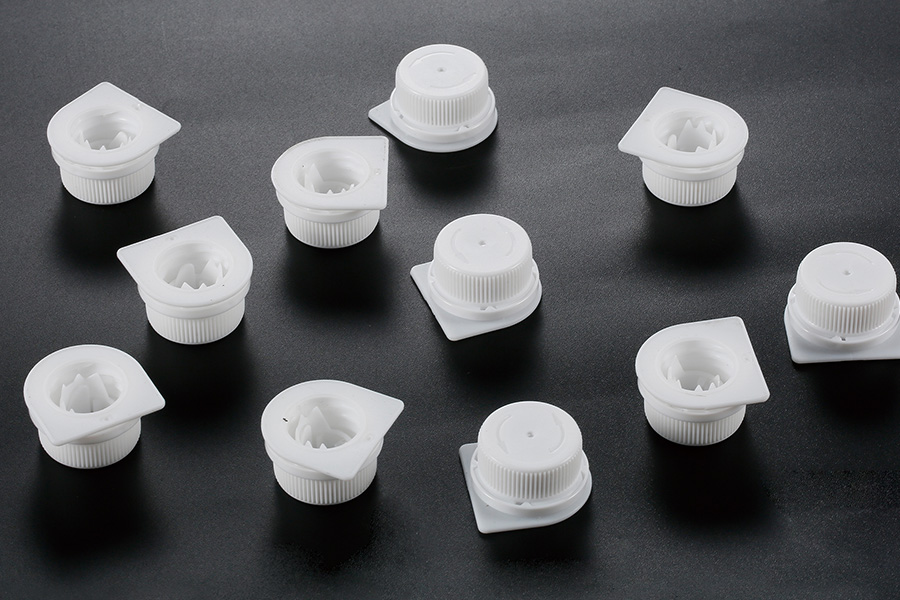
Frequent Opening as a Design Challenge
Repeated opening and closing places mechanical and behavioral demands on a bottle cap. Each twist, flip, or press introduces wear, slight deformation, and potential sealing variation. At the same time, user behavior becomes less cautious over time. People may open a bottle while distracted, with wet hands, or using one hand.
A multi-use design accounts for these realities by maintaining stable performance across repeated cycles. Rather than assuming careful, occasional use, the cap structure is built to tolerate daily handling while continuing to protect the contents from air exposure and external contact.
Consistent Sealing Across Repeated Use
One of the main reasons to select a multi-use bottle cap for frequent opening is its ability to reseal consistently. After the opening, freshness protection relies heavily on how well the cap returns to its sealing position.
Multi-use caps typically incorporate:
- Flexible sealing surfaces that adapt after each closure
- Thread designs that guide the cap into a repeatable position
- Closure feedback that encourages proper tightening without excess force
These features help limit small gaps that may otherwise develop over time. For products sensitive to oxygen or moisture, consistent resealing supports more stable storage conditions between uses.
Reducing Wear on Threads and Closure Interfaces
Standard caps designed for limited opening cycles may experience thread wear or deformation when used frequently. This can result in loose closures, uneven tightening, or difficulty aligning the cap correctly.
Multi-use bottle caps are designed with thread geometry and material thickness that handle repeated engagement more evenly. The goal is not to make the cap harder to open, but to distribute stress across the thread surface so performance remains stable. This is particularly relevant for larger bottles or heavier contents, where torque during opening and closing can be higher.
Opening Feel and Daily User Experience
When a bottle is opened several times a day, opening feel becomes part of the product experience. Caps that require excessive force or awkward grip positions can create frustration and cause improper handling.
A multi-use bottle cap focuses on:
- Smooth rotation or controlled flip action
- Grip textures that work with wet or dry hands
- Cap dimensions that balance leverage and control
These elements help users open and close the bottle without changing their grip or setting the bottle down. Over time, this reduces hand strain and encourages consistent closure habits, which indirectly supports product protection.
Supporting One-Hand Operation in Real Use Scenarios
Frequent opening often happens during multitasking. Cooking, cleaning, commuting, or working may leave only one hand available. A cap that supports one-hand operation becomes easier to use repeatedly without interruption.
Multi-use designs may include flip-top lids, hinged closures, or thread profiles that disengage with fewer rotations. These features shorten access time and reduce the period during which the container is exposed to air. While subtle, this reduced exposure supports better freshness management during daily use.
Hygiene Control During Repeated Handling
Each opening introduces the possibility of contamination from hands, surfaces, or surrounding environments. When a bottle is used frequently, controlling these risks becomes more important.
Multi-use bottle caps often remain attached to the bottle during use, preventing the cap from being placed on external surfaces. Controlled openings and defined pouring paths also reduce the likelihood of accidental contact with the contents.
For food and personal care products, this design approach supports cleaner handling habits without requiring users to consciously change how they interact with the packaging.