
 English
  русский
 عربى
عربى
Industry News
Content
Gripping a bottle cap may seem like a small detail, yet it directly shapes how users interact with packaged products every day. From kitchens and bathrooms to outdoor and industrial settings, opening and closing a bottle often happens with wet hands, limited strength, or while multitasking. A well-considered Plastic Packaging Bottle Cap, especially when developed as a Multi-Use Bottle Cap, addresses these real-life conditions through grip-focused design rather than decorative elements. Better grip is not about adding complexity, but about aligning structure, material, and human behavior so handling feels natural and controlled.
Grip as a Functional Requirement, Not a Visual Choice
Grip design begins with understanding how users hold bottles. Unlike tools designed for prolonged use, bottle caps are interacted with briefly but frequently. This means grip features must be immediately effective without requiring adjustment or learning.
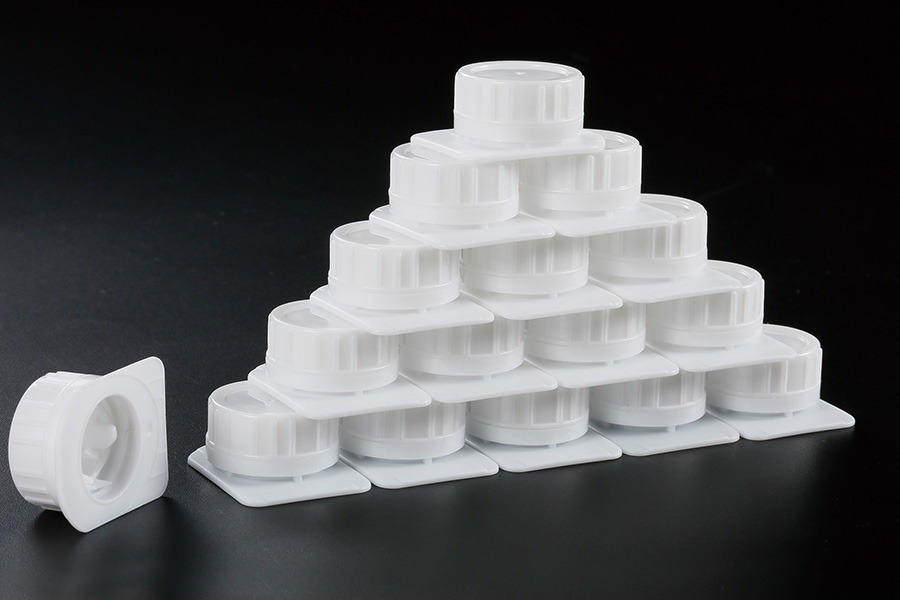
Plastic packaging bottle caps are often touched at the fingertips rather than the palm. As a result, grip-enhancing structures are placed along the sidewall of the cap, where fingers naturally apply rotational force. The goal is to ensure enough friction between skin and surface to allow smooth opening and closing, even when conditions are not ideal.
Better grip also supports correct closure. When users can comfortably twist a cap into place, they are more likely to reseal the bottle properly, which supports freshness and hygiene over repeated use.
Surface Texture and Friction Control
One of the visible grip-related features is surface texture. Texturing increases friction between the cap and the user’s fingers without increasing the required force.
Common texture approaches include:
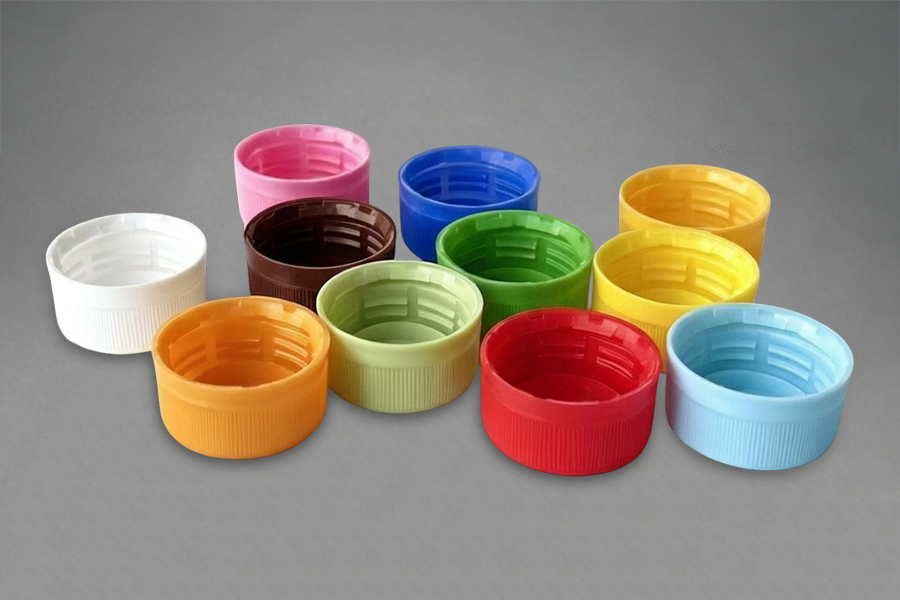
- Vertical or angled ribs that guide finger placement during twisting
- Subtle matte finishes that reduce slipping compared to glossy surfaces
- Micro-patterned surfaces that improve contact without irritating the skin
These textures are designed to work across different hand conditions, including moisture from condensation, water, or oils. The intention is not to create sharp edges or aggressive patterns, but to provide steady contact that feels predictable during use.
Cap Diameter and Hand Compatibility
The size of a bottle cap directly influences grip comfort. Caps that are too narrow require higher finger pressure, while oversized caps may reduce control for users with smaller hands. Plastic packaging bottle caps are designed with diameter ranges that balance leverage and control.
A slightly wider cap allows users to distribute force across more fingers, reducing strain during twisting. This is especially relevant for multi-use caps that are opened and closed many times throughout a product’s lifecycle. When grip comfort is consistent, users experience less fatigue and are less likely to apply uneven force that could damage threads or seals.
Edge Geometry and Finger Placement
Beyond surface texture, the shape of the cap edge affects how fingers engage with it. Rounded edges provide comfort but may reduce grip if overly smooth, while sharp edges increase friction but may feel uncomfortable.
Designers often use softly defined edges combined with textured sidewalls. This approach guides fingers into a stable position without creating pressure points. Some caps also include slight undercuts or stepped profiles that give fingertips a place to rest during rotation, improving control during one-hand operation.
Material Selection and Tactile Response
The plastic material itself plays a role in grip performance. Different polymers offer varying surface feel, stiffness, and response to pressure. Materials used for multi-use bottle caps are chosen to maintain their surface characteristics over time rather than becoming slippery or brittle.
A cap that retains a consistent tactile response helps users develop familiarity with the product. When the surface does not change significantly due to temperature or repeated handling, grip behavior remains predictable. This stability supports both ease of use and proper resealing, which are important for products that require frequent access.
Thread Design Supporting Controlled Twisting
Grip does not work in isolation from internal structures. The thread design inside the cap affects how much force is needed to open or close the bottle. When thread engagement is smooth and well-aligned, users can rely on steady rotational motion rather than sudden force.
Multi-use bottle caps often use thread profiles that reduce resistance peaks during opening and closing. This allows grip features to work effectively without requiring excessive squeezing or wrist movement. Controlled twisting supports users with limited hand strength and reduces the risk of incomplete closure.
One-Hand Operation and Grip Stability
A better grip becomes particularly important when a bottle is operated with one hand. In these situations, the same hand must stabilize the bottle and manipulate the cap simultaneously. Grip-focused design helps maintain control during this combined motion.
Flip-top and hinged cap designs rely on thumb pressure rather than twisting. In these cases, textured thumb zones and balanced hinge resistance help users open the cap without slipping. For screw caps, grip patterns ensure that fingers do not slide during rotation, even when the bottle is held at an angle.