
 English
  русский
 عربى
عربى
Industry News
Content
We've all been there. You're thirsty, hungry, or in a hurry — and the bottle cap simply won't budge. Whether it's a pickle jar sealed too tight at the factory, a water bottle cap that's been overtightened, or a sauce bottle whose lid has been glued by sticky residue, a stubborn cap is one of life's most reliably annoying obstacles. But science and a bit of household ingenuity are on your side.
According to consumer product researchers, manufacturers typically seal bottles with significant force to ensure airtight preservation — a process that can create a vacuum so strong it requires up to 30 pounds of torque to break. Add sticky residue or the effects of thermal contraction in cold conditions, and even the strongest hands may struggle. Here are seven methods that actually work.
1 Run the Cap Under Hot Water
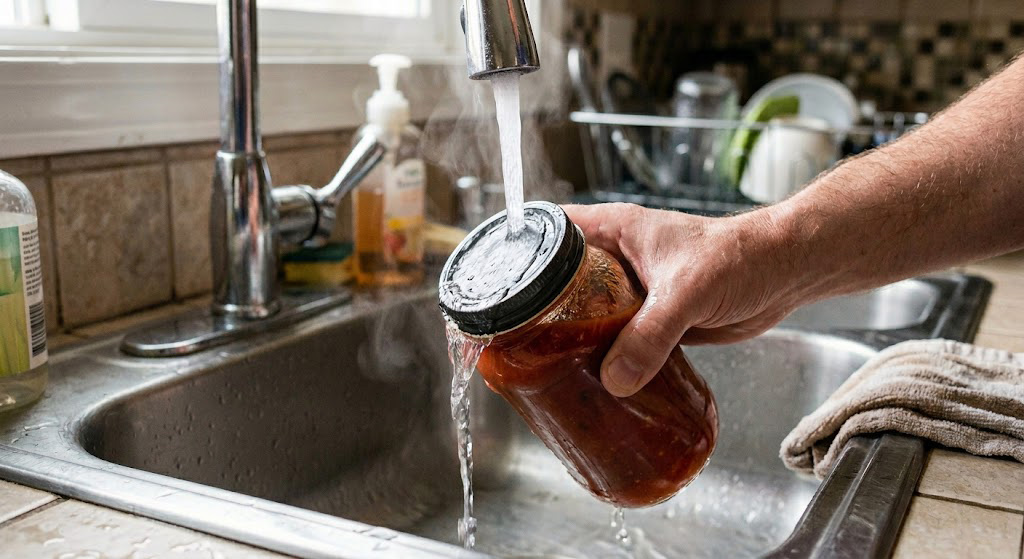
* Pro Tip Never use boiling water directly on glass bottles — rapid thermal shock can crack the glass. Stick to warm or hot tap water.
2 Use a Rubber Band for Grip
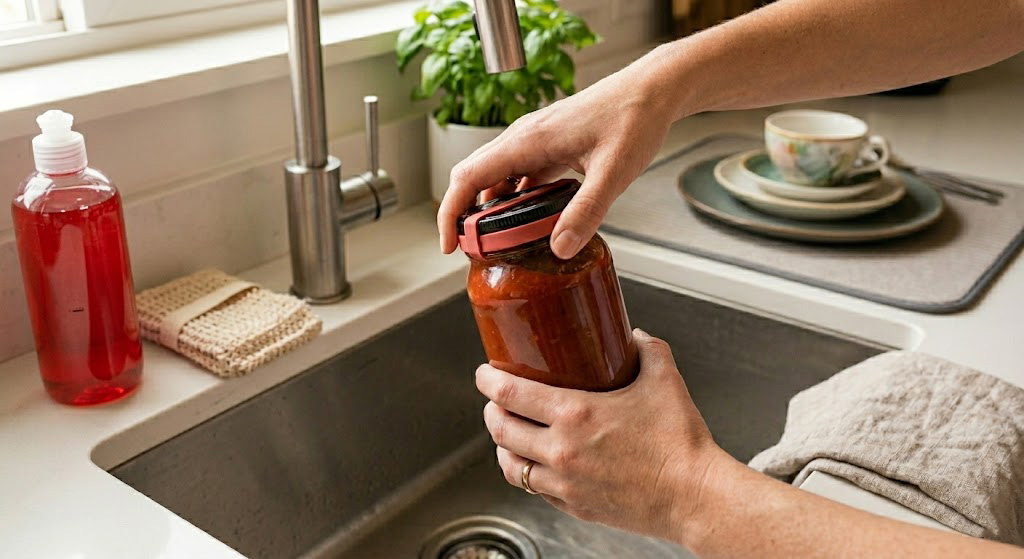
3 Tap the Edges of the Lid
Use the handle of a butter knife or a spoon to tap firmly around the rim of the cap several times, rotating the bottle as you go. Each tap sends a small vibration through the seal and introduces tiny air pockets around the gasket, breaking the vacuum without damaging the cap or bottle.
This technique is particularly useful for glass jars with wide metal lids. Tap four to six spots evenly around the edge rather than striking the same spot repeatedly. After a few rounds of tapping, the lid typically turns with much less resistance.
"Manufacturers seal bottles with up to 30 lbs of torque — that's why a rubber band or some warm water can make all the difference."
4 Break the Vacuum with a Spoon
Slide the edge of a sturdy spoon or a butter knife under the lip of a metal lid and gently pry upward. You will hear and feel a "pop" as air rushes in and equalises the pressure. Once the vacuum is broken, the cap will unscrew effortlessly.
This works best on wide-mouth jars with metal lids. Exercise caution not to use excessive force, which can bend or damage the lid. If you plan to reseal the jar, a deformed lid will no longer form a proper seal.
! Caution Never use a sharp knife for this — it can slip and cause injury. A spoon or a bottle-opener-style tool is far safer.
5 Leverage with a Fork or Bottle Opener
For stubborn twist-off caps, try hooking the prongs of a fork or the curved end of a bottle opener under the cap's edge for mechanical leverage. This gives you a longer moment arm, multiplying the force you apply. Even a modest push can translate into enough torque to crack the tightest industrial seal.
6 The Duct Tape Method
Cut a strip of duct tape about 30 cm long. Fold half of it lengthwise to create a sturdy "handle," then press the sticky side firmly across the cap and down one side of the bottle. Pull the tape handle firmly while keeping the bottle stable — the powerful adhesion of the tape allows you to exert rotational force without hand strain, which is especially useful for people with arthritis or reduced grip strength.
7 Two-Person Twist
Sometimes the simplest solution is the most effective. Have one person grip the bottle body tightly (using a cloth or rubber gloves for friction), while a second person focuses entirely on turning the cap. The dedicated division of labour — one holding, one turning — eliminates the rotational slippage that makes single-person attempts difficult.
Quick-Reference Summary
| Method | Best For | Difficulty | What You Need |
| Hot Water | Glass jars with metal lids | Easy | Hot tap water |
| Rubber Band | Any smooth plastic cap | Easy | Rubber band or rubber gloves |
| Tapping the Lid | Wide-mouth glass jars | Easy | Spoon or knife handle |
| Vacuum Break | Vacuum-sealed jars | Medium | Spoon or butter knife |
| Fork / Opener | Twist-off bottle caps | Medium | Fork or bottle opener |
| Duct Tape | Those with limited grip strength | Easy | Duct tape |
| Two-Person Twist | Extremely tight industrial seals | Easy | Another person |
With any of these methods at your disposal, a tight bottle cap need never ruin your day again. Start with the easiest option — hot water or a rubber band — before escalating to more involved techniques. And if all else fails, a dedicated jar-opener tool, available for under $10 at most kitchen supply stores, will handle virtually any lid with ease.