
 English
  русский
 عربى
عربى
Industry News
Content
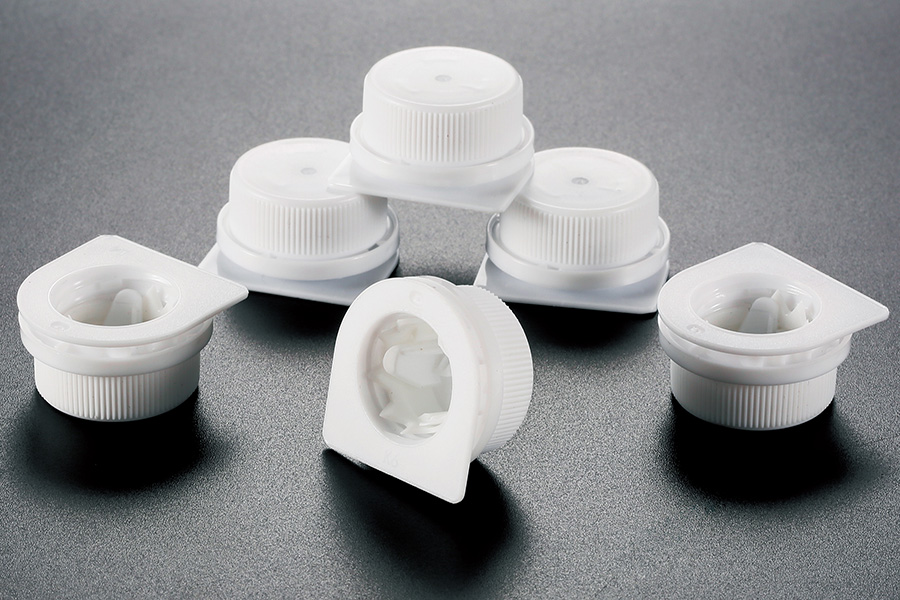
Long-distance transportation exposes beverage and liquid food packaging to vibration, pressure fluctuations, temperature changes, and repeated handling. Closure systems must maintain consistent sealing performance throughout shipping, storage, and distribution to prevent leakage and preserve product quality. Helicap 23 and Helicap 27 closures are widely used in liquid packaging systems because their structural compatibility with bottle neck finishes and automated capping equipment helps maintain stable sealing conditions.
Why Secure Thread Engagement Is Essential for Transport Stability
Thread engagement between the closure and bottle neck is one of the primary factors affecting leakage prevention. Helicap 23 closures are manufactured with thread dimensions designed to align with standardized bottle finishes, allowing closures to seat evenly during application. Proper thread engagement helps ensure the closure remains securely attached to the container even when exposed to continuous vibration during transportation.
During shipping by truck, sea, or air, packages may experience constant movement. Vibrations can gradually loosen closures if the thread engagement is not consistent or if closures are applied unevenly. Helicap 23 closures are designed to distribute sealing force evenly across the contact surface, helping maintain closure position during these conditions.
Uniform thread engagement also supports consistent compression of the sealing surface. This compression forms the physical barrier that prevents liquid from escaping and external air from entering the container. When sealing surfaces remain evenly compressed, the likelihood of leakage during transport is reduced.
Helicap 27 closures provide similar benefits in packaging systems that use larger bottle openings or require additional structural support due to container design or product characteristics. Selecting closures that match bottle thread specifications is essential for maintaining sealing performance during transport.
How Controlled Application Torque Supports Consistent Sealing Performance
Torque control during closure application plays a critical role in preventing leakage. Helicap 23 closures are designed for use with automated capping equipment that applies closures using controlled torque settings. This helps ensure closures are neither under-tightened nor over-tightened.
Under-tightened closures may not create sufficient sealing pressure, allowing liquid to escape during movement or pressure changes. Over-tightened closures may deform closure components or bottle threads, which can also affect sealing performance. Proper torque application allows closures to maintain their structural integrity and sealing function.
Automated capping systems used with Helicap 23 closures help maintain consistent torque levels across large production volumes. This consistency supports uniform sealing performance, which is particularly important when products are transported internationally over extended periods.
Helicap 27 closures are also compatible with automated torque-controlled capping systems, helping maintain sealing stability in packaging systems designed for different bottle formats. Consistent application torque contributes to closure performance throughout transportation and handling.
Structural Design Features That Help Reduce Leakage Risks
Several structural characteristics of Helicap 23 closures contribute to their ability to maintain sealing performance during global transport:
- Consistent thread geometry
Uniform thread design helps closures remain securely attached during vibration and handling.
- Stable sealing surface contact
Closures maintain even contact with bottle neck sealing surfaces, reducing leakage pathways.
- Tamper-evident band support
Tamper-evident bands provide additional structural stability before initial opening.
- Compatibility with standard bottle finishes
Closures designed for standardized neck finishes help ensure proper fit and sealing.
- Material strength suitable for transportation stress
Closure materials maintain their structural form under pressure and handling conditions.
These structural characteristics work together to support consistent closure performance throughout the transportation process.
How Temperature and Pressure Changes Affect Closure Sealing
Global transportation often exposes packaged products to temperature variations, especially when goods move between different climates or storage environments. Temperature changes can cause liquid expansion or contraction, which may affect internal pressure inside the container. Closures must maintain sealing performance despite these changes.
Helicap 23 closures are designed to maintain contact with bottle sealing surfaces even when minor dimensional changes occur due to temperature variation. Closure materials used in beverage packaging are selected to maintain structural stability under typical transportation temperature ranges.
Pressure changes can also occur during air transport or altitude variation. Changes in internal pressure may place additional stress on closure systems. Closures that maintain consistent thread engagement and sealing surface contact help reduce the risk of leakage under these conditions.
Helicap 27 closures may be used in packaging systems where internal pressure conditions differ due to product carbonation or container size. Selecting closures appropriate for the packaging environment helps maintain sealing performance during transport.