
 English
  русский
 عربى
عربى
Industry News
Content
- 1 What Is Aseptic Carton Packaging
- 2 Why the Aseptic Carton Cap Matters as Much as the Carton Shape
- 3 Aseptic Carton Shapes and Their Typical Cap Openings
- 4 How to Choose the Right Aseptic Carton and Cap Combination
- 5 Inside an Aseptic Carton: Material Layers and Why Cap Sealing Matters
- 6 Filling Speed, Capping Speed and Line Compatibility
- 7 Sustainability Considerations for Aseptic Carton and Cap Materials
- 8 Frequently Asked Questions
- 8.1 Can any aseptic carton cap fit any carton shape
- 8.2 What is the difference between a brik and a prisma aseptic carton
- 8.3 Why do some brands choose a gemina aseptic carton over a standard block shape
- 8.4 Is a fino aseptic carton as protective as a rigid carton shape
- 8.5 Does carton shape affect filling and capping machine speed
- 8.6 How do I know which aseptic carton cap size I need
Quick Answer
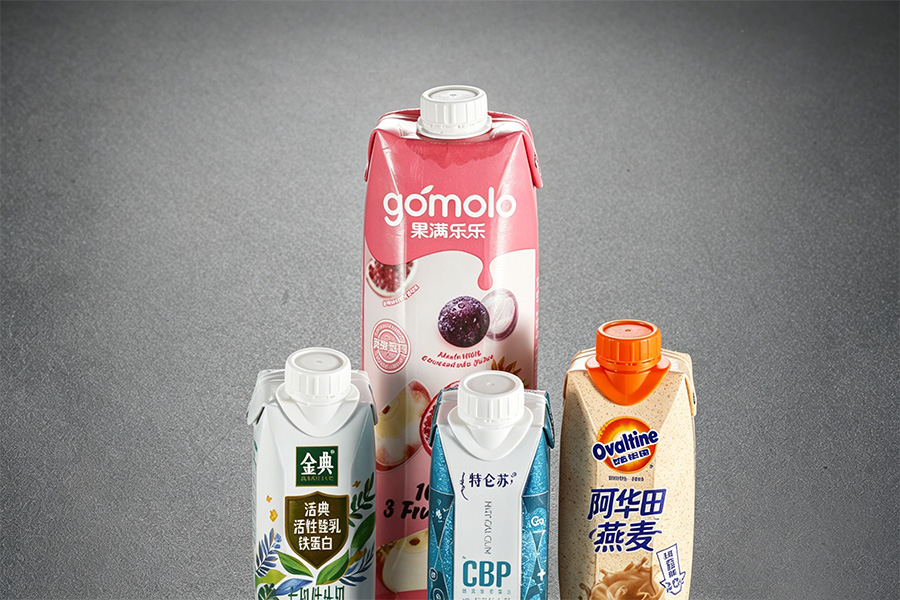
An aseptic carton is a paper based package built from layered paperboard, a thin polyethylene film, and a very thin aluminum foil layer, designed to hold liquid food safely at room temperature for months without refrigeration. Both the packaging material and the liquid product are sterilized separately, then filled and sealed together inside a closed, sterile chamber, which is what allows an aseptic carton to sit on a regular shelf rather than a cold case. Common examples include the rectangular brik aseptic carton, the eight sided prisma aseptic carton, and the taller gemina aseptic carton, each fitted with a matching aseptic carton cap to complete the seal.
What Is Aseptic Carton Packaging
An aseptic carton is a shelf stable liquid food package made of layered material rather than glass, metal, or a single layer of plastic. The paperboard core gives the carton its stiffness, printability, and structure. A thin layer of polyethylene sits on both the inside and outside of the paperboard to block moisture. Between these layers, a very thin sheet of aluminum foil blocks light and oxygen from reaching the product. Together, these layers are what make an aseptic carton different from a normal chilled carton, and why it can be stored and shipped without refrigeration.
The word aseptic describes the filling process rather than the shape of the package. In aseptic filling, the carton material and the liquid food are sterilized on separate lines, then brought together and sealed inside a closed, sterile chamber. This is different from standard chilled cartons, which are filled in a clean environment but not a fully sterile one, and which therefore need cold storage from the factory all the way to the store shelf and the consumer's fridge.
Because the sterilization happens before filling rather than after, an aseptic carton does not need heat treatment inside the sealed package the way canned food does, and it does not need constant refrigeration the way fresh dairy cartons do. This combination of properties is why aseptic cartons are widely used for milk, juice, plant based drinks, soups, and liquid eggs that need a long shelf life at room temperature.
Aseptic carton packaging is not limited to one shape. The same layered material and the same aseptic filling process can be formed into several different body shapes, ranging from the rectangular brik aseptic carton to the angled gemina aseptic carton, depending on how the brand wants the product to look and perform on the shelf. Every one of these shapes also needs a correctly sized aseptic carton cap fitted to its neck opening, since the cap is what keeps the package sealed and reclosable after the first pour.
Why the Aseptic Carton Cap Matters as Much as the Carton Shape
The cap is the one part of the package a consumer touches every single time they open the product, so its torque, thread fit, and tamper evidence feature directly shape the buying experience. A well matched aseptic carton cap also protects the product after the first opening, since most cartons are designed to be reclosed and used across several servings rather than finished in one sitting.
Because carton shapes differ so much in neck size and top design, brands need to think about carton shape and cap selection together, not as two separate purchasing decisions.
Aseptic Carton Shapes and Their Typical Cap Openings
Below is a closer look at the main aseptic carton shape families used across the industry today, along with the aseptic carton cap style that usually fits each one best.
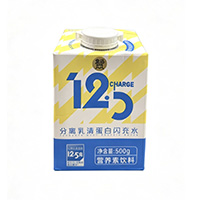
1Brik Aseptic Carton
The brik aseptic carton is the rectangular block shape most people picture when they think of a juice or milk box. Its flat sides stack tightly on pallets and shelves with almost no wasted space, which keeps freight cost per liter low. This format is common for family size milk, plant based beverages, and cooking stock, and it typically pairs with a compact screw type aseptic carton cap sized for controlled, single hand pouring.
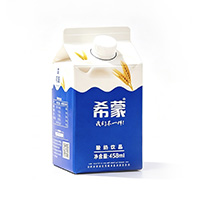
2Rex Aseptic Carton
The rex aseptic carton is a compact, slightly rounded rectangular format often used for smaller single serve or two serve portions. Its shorter height and rounded edges make it easier to hold for younger consumers, which is why it appears often in school or lunchbox size juice packs. A smaller diameter aseptic carton cap with an easy turn grip is the usual choice here, since the target user often has less hand strength.
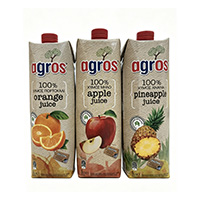
3Prisma Aseptic Carton
The prisma aseptic carton uses an eight sided body that feels distinct in hand and stands out visually against plain rectangular cartons on a crowded shelf. It is a strong fit for single serve juice, functional drinks, and flavored water sold for immediate, on the go drinking. This shape commonly uses a mid size aseptic carton cap with a one step opening, since on the go buyers want to twist and drink without extra steps.
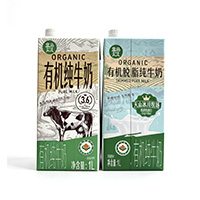
4Slim Aseptic Carton
The slim aseptic carton is a narrower, taller version of the standard block shape. It fits more units into the same shelf width and gives a premium, modern look that brands use for smoothies, cold brew coffee, and specialty juice lines. Because the neck sits on a narrower top panel, the aseptic carton cap chosen for this format usually has a slightly reduced base to avoid overhanging the carton edge.
5Gemina Aseptic Carton
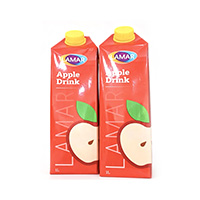
The gemina aseptic carton has a raised, angled top section similar to a gable roof, which gives it one of the tallest profiles among common carton shapes. This shape is chosen when a brand wants strong shelf presence and a premium appearance for larger format milk or juice, typically in the half liter to one and a half liter range. The angled top usually calls for a larger aseptic carton cap with a wider base to sit flush against the sloped panel.
6Top Aseptic Carton
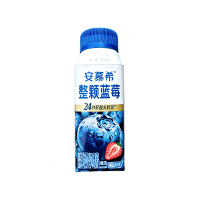
The top aseptic carton refers to a flat top gable style carton with a fold open pour spout rather than a screw cap in some versions, though many current lines now fit a low profile aseptic carton cap onto the spout for better reseal performance after the first pour. It is often used for chilled style presentation even though the product inside is shelf stable, giving brands a fresh, dairy case look on an ambient shelf.
7Fino Aseptic Carton
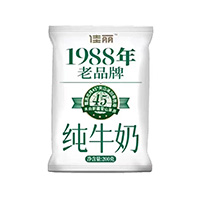
The fino aseptic carton is a flexible pouch style format rather than a rigid block. It uses less material per unit, which lowers packaging cost and works well for low cost, high volume liquid food distribution where shelf display is a lower priority than affordability. A lightweight, low material aseptic carton cap is generally paired with this format to keep total package weight and cost as low as possible.
8Stelo Aseptic Carton
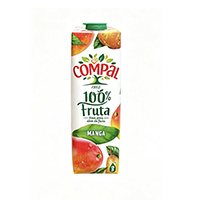
The stelo aseptic carton is a premium edge style format with sharper, more defined panel lines than a standard brik shape. Brands positioning a product as higher quality or plant based often choose this format because the crisp edges photograph and print well for branding. A premium finish aseptic carton cap, often available in custom colors, is commonly used here to match the elevated look of the carton body.
| Carton Format | Body Shape | Typical Volume Range | Typical Aseptic Carton Cap |
| Brik Aseptic Carton | Rectangular block | 200 ml to 1 liter | Compact screw type cap |
| Rex Aseptic Carton | Compact rounded block | 125 ml to 250 ml | Small diameter easy turn cap |
| Prisma Aseptic Carton | Eight sided body | 125 ml to 500 ml | Mid size one step opening cap |
| Slim Aseptic Carton | Narrow tall block | 200 ml to 750 ml | Reduced base narrow neck cap |
| Gemina Aseptic Carton | Gable top block | 500 ml to 1.5 liter | Wider base angled fit cap |
| Top Aseptic Carton | Flat gable top | 500 ml to 1 liter | Low profile reseal cap |
| Fino Aseptic Carton | Flexible pouch | 150 ml to 500 ml | Lightweight low material cap |
| Stelo Aseptic Carton | Sharp edge block | 500 ml to 1 liter | Premium finish custom color cap |
How to Choose the Right Aseptic Carton and Cap Combination
Picking a carton shape and its aseptic carton cap together is not just a design decision. It affects filling speed, pallet efficiency, and how the product feels in a customer's hand. Consider these factors before committing to a combination.
- Match the carton shape to consumption behavior. Single serve, on the go drinking favors a prisma or rex aseptic carton with a quick one step opening aseptic carton cap, while family consumption favors a brik or gemina aseptic carton with a sturdier reseal cap.
- Check neck diameter compatibility early. Every aseptic carton cap is molded to a specific thread and base diameter, so switching carton neck size without updating the cap tooling will cause leaks or a poor seal.
- Weigh visual impact against material cost. A stelo or gemina aseptic carton paired with a premium finish aseptic carton cap creates a strong shelf impression but generally uses more material than a fino aseptic carton with a lightweight cap.
- Confirm filling and capping line compatibility together. Switching from a brik to a top aseptic carton format may require a different aseptic carton cap feeder and different tooling on the same production line.
- Think about reseal frequency. Products consumed across several sittings, such as family size milk, benefit from an aseptic carton cap with strong reclose torque, while single serve formats can use a simpler, lower torque cap.
Inside an Aseptic Carton: Material Layers and Why Cap Sealing Matters
Every aseptic carton format shares a similar layered structure, even though the outer shape changes. The paperboard core gives the carton its stiffness and printability. A thin layer of polyethylene on the inside and outside protects the paperboard from moisture. A very thin layer of aluminum foil sits between these layers to block light and oxygen, which is what allows the product inside to stay stable without refrigeration.
Without a correctly fitted aseptic carton cap, even a perfect barrier structure inside the carton will not stop air and moisture from entering through the neck opening after the first use, which shortens the effective shelf life of an opened package.
This layered approach applies whether the outer shape is a rectangular brik aseptic carton, an angled gemina aseptic carton, or a flexible fino aseptic carton. The shape changes the visual presentation and handling experience, but the internal barrier function, and the need for a properly fitted aseptic carton cap, stays consistent across formats.
Filling Speed, Capping Speed and Line Compatibility
Different carton shapes run at different speeds on filling equipment, and the aseptic carton cap application step needs to keep pace with that speed. Simpler rectangular shapes such as brik or slim aseptic carton formats generally allow higher filling and capping speeds because folding and sealing steps are more straightforward. More complex shapes with angled tops, such as gemina or top aseptic carton formats, often run slightly slower because the folding sequence includes additional creases, and the aseptic carton cap must be applied at a precise angle to seat correctly on a sloped panel.
Brands planning high volume production should confirm expected output per hour with their equipment provider before finalizing a shape and cap combination, since a format that looks appealing on paper may reduce daily output if the capping station cannot keep up with the carton forming speed.
Sustainability Considerations for Aseptic Carton and Cap Materials
Aseptic carton packaging is generally seen as a lighter weight, lower carbon alternative to glass or heavy plastic bottles for shelf stable liquid food, since paperboard makes up most of the material by weight. Many recycling programs accept cartons alongside paper and cardboard collection, though local rules vary by region, and most programs ask consumers to remove or leave the aseptic carton cap attached depending on the local collection system.
Formats that use less material per unit, such as a fino aseptic carton, generally have a smaller material footprint per liter than heavier formats like a gemina or stelo aseptic carton. The aseptic carton cap itself is a small but meaningful part of this footprint, since lighter weight cap designs reduce total plastic use across large production volumes without changing how the product performs on the shelf.
Frequently Asked Questions
Can any aseptic carton cap fit any carton shape
No. Each aseptic carton cap is molded to match a specific neck diameter and thread pattern, so a cap designed for a brik aseptic carton will not seal correctly on a gemina or prisma aseptic carton without matching the neck specification.
What is the difference between a brik and a prisma aseptic carton
A brik aseptic carton has a flat rectangular body built for stacking and family size volumes, while a prisma aseptic carton has an eight sided body designed for single serve, on the go drinking, and the two typically use different aseptic carton cap sizes.
Why do some brands choose a gemina aseptic carton over a standard block shape
A gemina aseptic carton has a taller, gable top profile that creates strong shelf presence and a premium look, which suits brands positioning a product above the standard milk or juice segment, and it pairs well with a wider base aseptic carton cap.
Is a fino aseptic carton as protective as a rigid carton shape
Yes. A fino aseptic carton uses the same layered barrier structure as rigid formats, just in a flexible pouch body, so the protective performance for shelf stable liquid food remains consistent as long as the aseptic carton cap seals correctly.
Does carton shape affect filling and capping machine speed
Yes. Simpler rectangular shapes such as brik or slim aseptic carton formats typically run faster on filling and capping lines than more complex angled shapes such as gemina or top aseptic carton formats.
How do I know which aseptic carton cap size I need
The correct aseptic carton cap size depends on the neck diameter and thread specification of the chosen carton format, so it is best to confirm this measurement with the carton supplier before ordering caps in bulk.