
 English
  русский
 عربى
عربى
Industry News
Content
- 1 Why Carton Bottle Closures Matter in Waste Control
- 2 Sealing Consistency and Its Direct Impact on Scrap Rates
- 3 Material Stability and Reduced Deformation Loss
- 4 Application Accuracy and Reduced Line Rejections
- 5 Transportation Loss and Secondary Packaging Waste
- 6 Recyclability and Post-Use Material Handling
Packaging waste is no longer a hidden cost in modern production lines. From leaked cartons during transportation to rejected units caused by inconsistent sealing, small issues at the closure stage often create a chain reaction of material loss, rework, and disposal. When Helicap and Dreamcap solutions are introduced into carton bottle packaging, many manufacturers begin to reassess how much waste can actually be reduced at the cap level. Understanding this requires looking beyond general claims and examining how design, material choice, and application behavior influence real packaging outcomes.

Why Carton Bottle Closures Matter in Waste Control
Even when cartons and filling equipment perform as expected, a poorly matched or unstable cap can allow seepage, air ingress, or contamination. These issues often result in cartons being scrapped before shipment or returned from distribution channels.
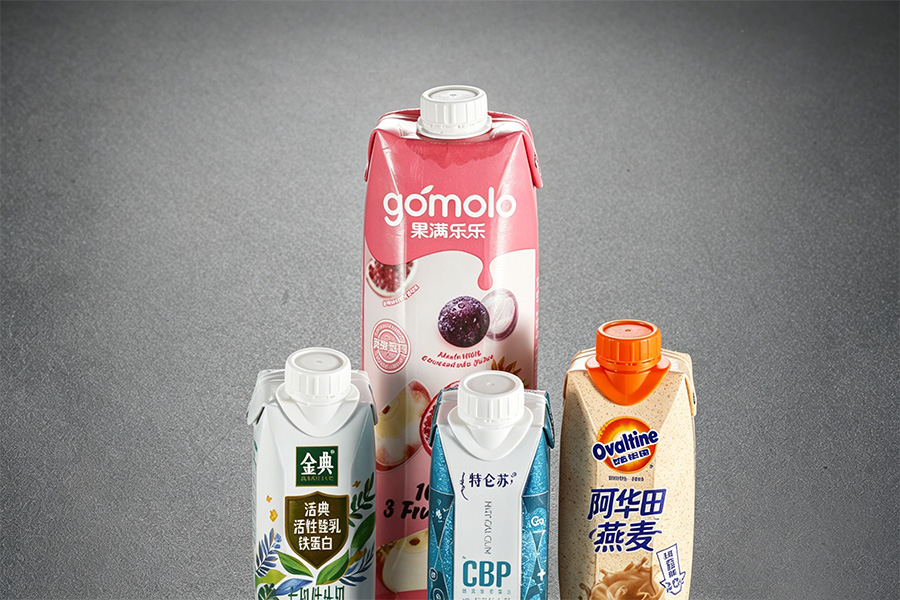
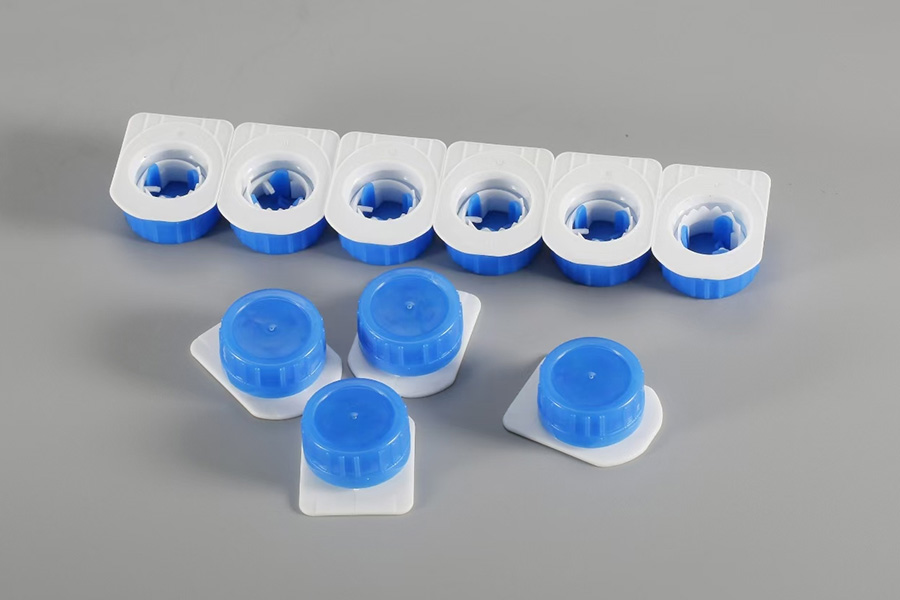
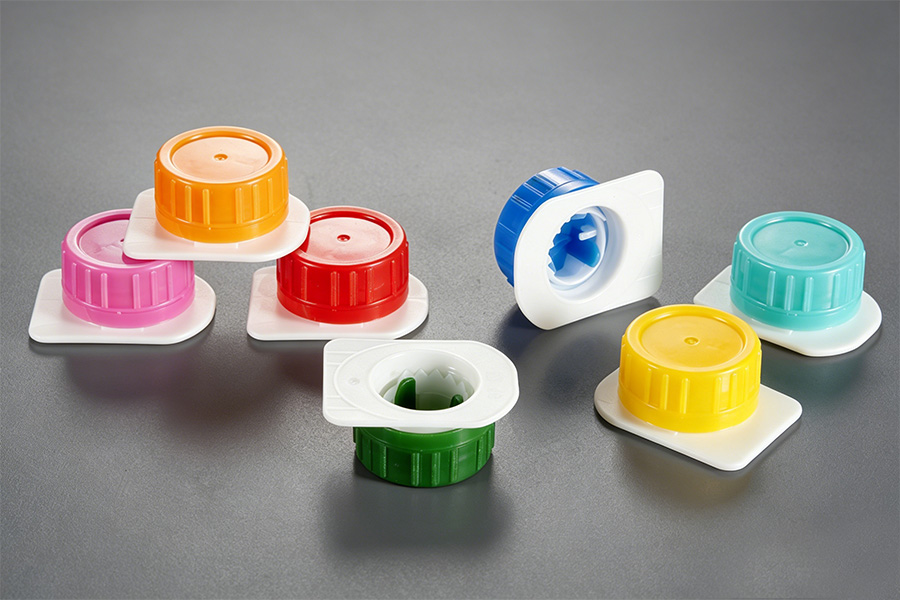
Helicap-style closures, including the Dreamcap design, are developed specifically for carton bottles where the opening area is relatively compact and the material structure differs from traditional plastic bottles. Because of this, the cap must maintain sealing consistency without placing excessive stress on the carton neck. When this balance is not achieved, waste tends to increase rather than decrease.
Sealing Consistency and Its Direct Impact on Scrap Rates
One of the primary contributors to packaging waste is leakage detected during quality checks or after filling. Dreamcap focuses on sealing stability by maintaining uniform contact between the cap and the carton bottle opening. This helps limit micro-gaps that can form during temperature changes or vibration in transit.
In practical terms, improved sealing consistency reduces the number of cartons removed from the line due to visible leaks or damp packaging. While the reduction percentage varies depending on filling speed, product viscosity, and transport distance, many packaging operations observe fewer interruptions related to cap-related leakage once the sealing interface is properly matched.
Waste reduction here is not about eliminating defects entirely, but about keeping defect rates within manageable thresholds so that packaging materials, filled product, and labor are not unnecessarily discarded.
Material Stability and Reduced Deformation Loss
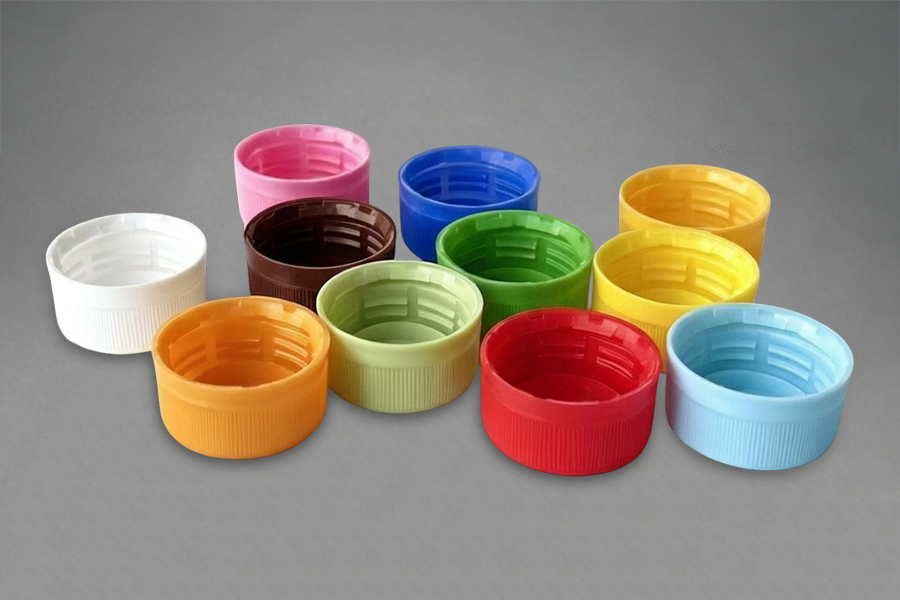
Plastic caps used in carton packaging are exposed to pressure during application, stacking, and shipping. If the cap material deforms too easily, it may lose its sealing shape or fail to reseat correctly after opening and reclosing. Dreamcap is produced using plastic materials selected for dimensional stability under normal handling conditions.
This stability matters because deformation-related waste often appears later in the supply chain. A carton that leaves the factory intact may fail during distribution if the cap loosens or distorts. By maintaining shape consistency, Helicap-based Dreamcap solutions help reduce delayed waste, which is often more costly than on-line scrap because it involves logistics, returns, and disposal at remote locations.
Application Accuracy and Reduced Line Rejections
Another overlooked source of waste is cap misapplication. On high-speed lines, even small variations in cap alignment can cause improper seating. These units are typically rejected automatically, contributing to material loss.
Dreamcap designs emphasize compatibility with standard capping equipment used for carton bottles. By maintaining predictable torque behavior and thread engagement, the cap supports smoother application across long production runs. When fewer cartons are rejected due to skewed or incomplete capping, overall material usage becomes more controlled.
This does not mean that packaging lines no longer require calibration or monitoring. Instead, it allows operators to maintain stable performance with fewer corrective adjustments, indirectly lowering waste caused by setup errors.
Transportation Loss and Secondary Packaging Waste
Waste is not limited to primary packaging. When carton bottles leak during transport, secondary materials such as cartons, shrink wrap, and pallets are often discarded as well. In some cases, entire shipments are compromised due to moisture damage.
Dreamcap's sealing behavior helps limit these downstream losses. By maintaining closure integrity during stacking and vibration, the cap reduces the likelihood of liquid contact with outer packaging materials. As a result, fewer secondary components are discarded due to contamination, contributing to overall waste control beyond the bottle itself.
Recyclability and Post-Use Material Handling
Waste reduction also includes what happens after consumption. Dreamcap is made from recyclable plastic, allowing it to enter established recycling streams when separated correctly. While recyclability alone does not eliminate waste, it changes how waste is managed.
In regions where carton bottles and plastic caps are processed separately, consistent cap material helps sorting systems function more effectively. Caps that fragment or degrade during use may be lost during collection, effectively becoming unrecoverable waste. Stable cap structures are more likely to be collected, sorted, and reprocessed, contributing to more predictable material recovery outcomes.