
 English
  русский
 عربى
عربى
Industry News
Content
Speed and consistency stand as critical priorities in high-volume bottling operations, where even minor delays in the capping process can affect overall workflow efficiency. Dreamcap and Helicap, two plastic closure solutions designed for carton bottles, cater to different operational needs—with Dreamcap’s design specifically oriented toward streamlining rapid capping. Understanding how Dreamcap optimizes speed without compromising basic performance, and how it compares to Helicap in high-volume settings, provides valuable insights for packaging teams seeking to adjust their processes. This article breaks down the mechanisms behind Dreamcap’s speed advantages, explores key compatibility factors, and shares practical tips for integrating it into high-volume bottling lines.
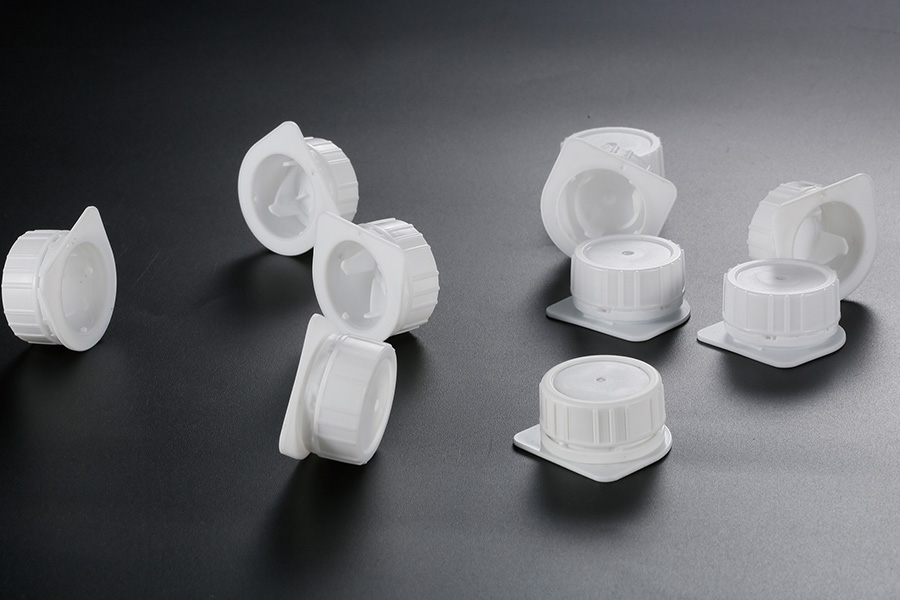
Design Fundamentals: How Dreamcap Streamlines Capping
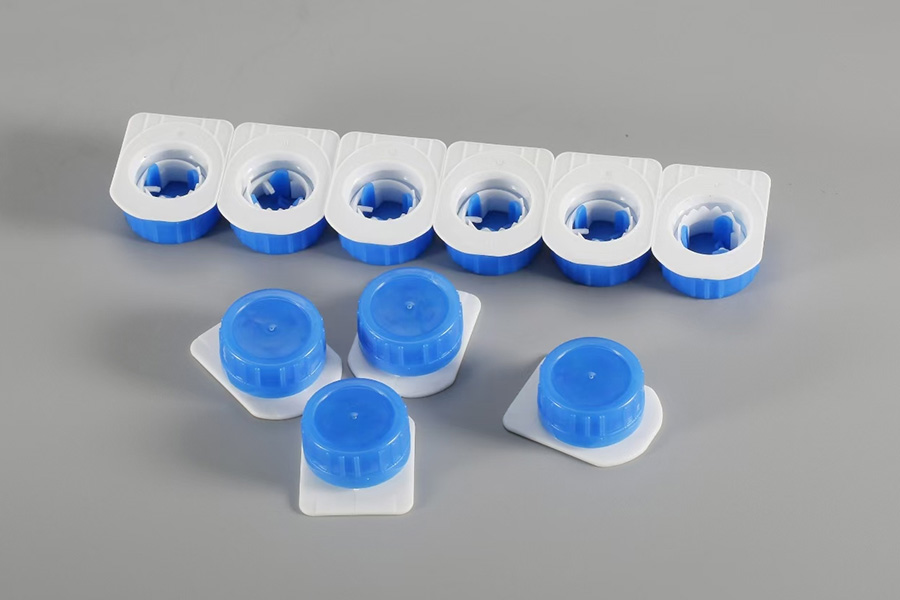
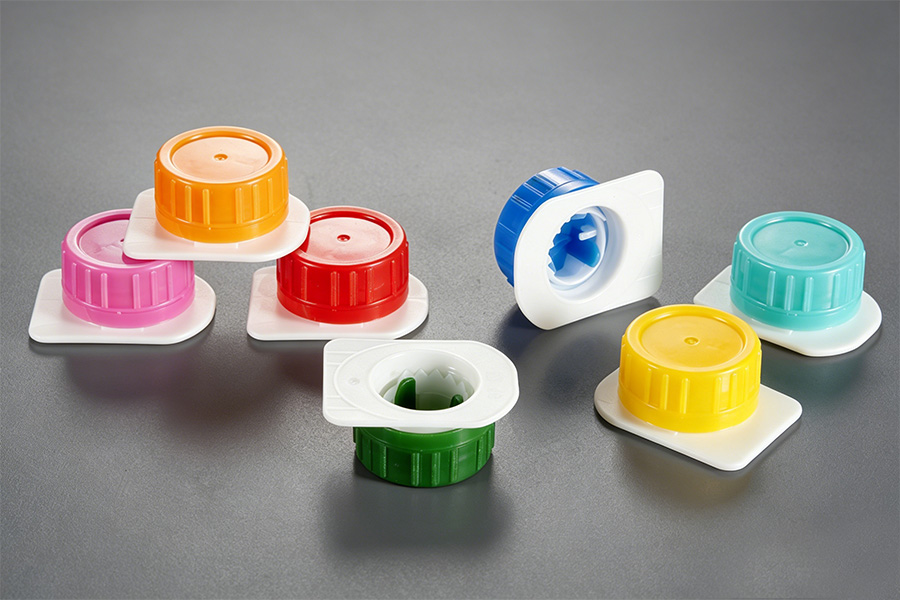
Dreamcap’s speed advantages stem from its snap-on structural design, which eliminates the rotational steps required by spiral closures like Helicap. This fundamental difference in operation cuts down the time per capping cycle, a benefit that accumulates significantly in high-volume environments. Unlike Helicap, which relies on precise thread alignment and gradual tightening, Dreamcap uses a flexible, contoured rim that locks into place with a single downward motion.
The rim’s elasticity allows for a degree of tolerance in alignment, reducing the need for exact positioning between the closure and the bottle neck. This flexibility means bottling equipment requires less calibration for Dreamcap application compared to spiral closures, lowering the risk of jams or misalignments that slow down production. Additionally, Dreamcap’s lightweight plastic composition reduces the force needed for application, allowing equipment to operate at higher cycle rates without excessive wear on mechanical parts.
Helicap, by contrast, excels in scenarios where long-term sealing takes precedence over speed, as its spiral design requires more deliberate application. For high-volume lines focused on rapid throughput, Dreamcap’s snap-on mechanism aligns with the need for quick, repeatable capping.
Compatibility With Automated Bottling Equipment
High-volume bottling relies heavily on automated systems, and Dreamcap’s design is engineered to integrate seamlessly with common capping machinery. This compatibility further enhances speed by reducing equipment downtime and simplifying operational adjustments.
Many automated capping machines can be adapted to handle Dreamcap with minimal modifications, as the snap-on action aligns with the vertical pressing mechanisms used in many standard lines. The closure’s uniform shape and consistent dimensions ensure smooth feeding through hoppers, reducing the likelihood of clogs that disrupt workflow. In contrast, Helicap requires machines with rotational capabilities, which add complexity and may limit cycle speeds in some setups.
Another key factor is the closure’s grip and release properties. Dreamcap’s design allows automated arms to pick and place closures efficiently, with the snap-on action completing in a fraction of the time needed for Helicap’s rotational tightening. Packaging teams can also adjust the pressure settings on capping machines to match Dreamcap’s requirements, balancing speed with the need to form a secure seal.
Material and Durability: Supporting Continuous Operation
High-volume bottling lines run for extended periods, so closures must maintain structural integrity to avoid frequent replacements or disruptions. Dreamcap’s material selection contributes to its ability to keep up with continuous operation, supporting consistent speed over time.
Like Helicap, Dreamcap is typically made from polypropylene (PP) or polyethylene (PE), materials chosen for their balance of flexibility and durability. PP-based Dreamcap closures offer good resistance to wear from repeated handling by automated equipment, while PE variants provide enhanced flexibility for smoother snap-on action. Both materials withstand the mechanical stress of high-volume capping without deforming, ensuring that each closure performs consistently throughout the production run.
The material’s stability also reduces the risk of broken closures during application, a common cause of line stoppages. Unlike more rigid closure materials, the plastic used in Dreamcap bends slightly under pressure, absorbing minor impacts from equipment without cracking. This durability translates to fewer interruptions, allowing the bottling line to maintain steady speed.