
 English
  русский
 عربى
عربى
Industry News
Content
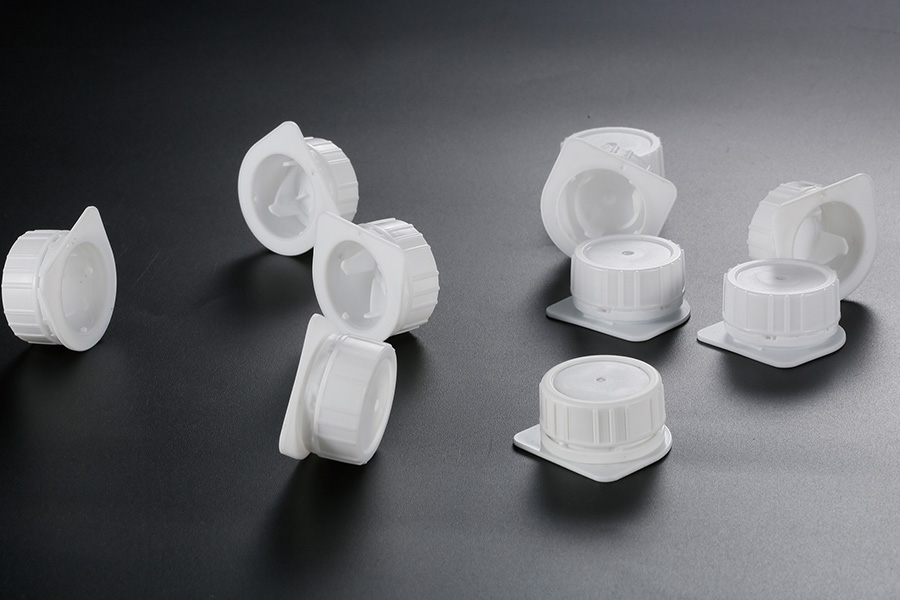
Daily packaging interactions often go unnoticed until they become inconvenient. From holding a beverage while commuting to opening a household product during cleaning, users frequently rely on one hand. This is where thoughtful cap design becomes meaningful. A well-developed Plastic Packaging Bottle Cap designed as a Multi-Use Bottle Cap can support one-hand operation while maintaining sealing performance, hygiene control, and repeated usability. Rather than focusing on appearance alone, this type of bottle cap reflects practical design decisions shaped by real usage scenarios across food, personal care, and household product packaging.
Understanding One-Hand Operation in Everyday Packaging Use
One-hand operation refers to the ability to open, pour, close, and reseal a bottle using a single hand, without additional tools or assistance. This capability matters not only for convenience but also for accessibility. Users may be holding other items, driving, working, or managing limited hand mobility. Packaging that responds to these realities reduces handling effort and shortens task time.
From a structural perspective, one-hand usability depends on several interacting elements: grip texture, opening resistance, hinge or thread geometry, and feedback during closure. A Multi-Use Bottle Cap balances these elements to remain functional after repeated opening cycles.
Ergonomic Grip Design and Opening Feel
The opening feel is often the physical interaction between the user and the product. Caps designed for one-hand use typically adopt surface textures or contouring that improve finger contact without increasing bulk.
Common design considerations include:
- Shallow ribbing or matte finishes to reduce slipping when hands are wet or oily
- Rounded edges to reduce pressure points during twisting or lifting
- Cap height proportions that allow thumb leverage while stabilizing the bottle body
These features help users apply controlled force with one hand rather than relying on excessive grip strength. The goal is not to reduce resistance to zero, but to create a predictable and manageable opening motion that feels consistent over time.
Thread Structure and Controlled Torque
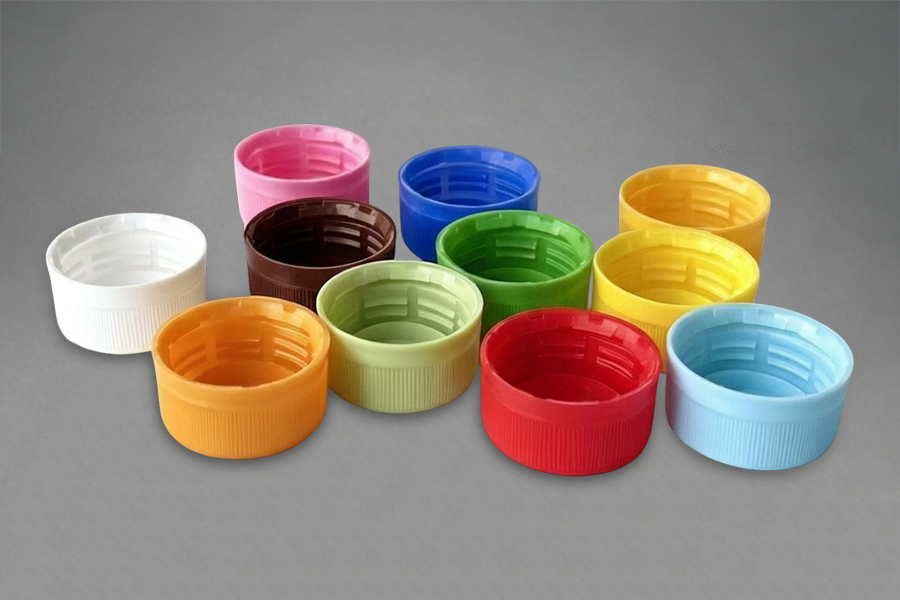
For screw-type Plastic Packaging Bottle Cap designs, the internal thread structure directly affects one-hand operation. Threads that are too fine may require multiple rotations, while overly coarse threads can compromise sealing consistency.
A balanced thread pitch allows the cap to disengage smoothly with limited rotation, reducing wrist movement. At the same time, the closing action should provide tactile confirmation—often through resistance change or subtle alignment feedback—so users can reseal the bottle confidently without over-tightening.
This approach supports:
- Faster opening with fewer turns
- Reduced hand fatigue during repeated use
- Consistent closure even when visual attention is limited
Such thread optimization is particularly relevant for reusable packaging, where performance must remain stable across multiple cycles.
Flip-Top and Hinged Structures for Single-Hand Access
In many Multi-Use Bottle Cap designs, flip-top or hinged lids are used to support true one-hand operation. These structures allow users to open the cap with a thumb while holding the bottle body with the same hand.
Key design factors include hinge tension and lid balance. If the hinge is too stiff, opening becomes difficult; if too loose, the lid may fall back during pouring. A controlled hinge angle helps keep the lid open without interfering with dispensing.
From a hygiene standpoint, attached lids also reduce the risk of cap misplacement and contamination, especially in food and personal care applications. The lid remains connected to the bottle, limiting contact with external surfaces.
Pour Control and Flow Management
One-hand operation is not limited to opening and closing; it also affects pouring accuracy. The cap opening size and internal channel design influence how liquid exits the bottle.
A well-designed bottle cap supports:
- Steady flow without sudden surges
- Reduced splashing during tilt
- Controlled dispensing even at varying bottle fill levels
This is particularly important for products like sauces, cleaning liquids, or personal care solutions. By managing flow behavior, the cap design supports a smoother user experience without adding mechanical complexity.
Resealing Confidence and Product Protection
After use, the one-hand closure should feel secure without requiring excessive force. Users often rely on tactile or audible cues—such as a soft snap or resistance point—to confirm closure.
From a product protection perspective, bottle caps play a role in:
- Limiting oxygen exposure for food and beverages
- Reducing contamination from dust or airborne particles