
 English
  русский
 عربى
عربى
Industry News
Home / Blogs / Industry News / How Does Plastic Packaging Bottle Cap Shape Influence Retail Shelf Impact?
Content
Shoppers often make quick decisions based on how a product appears at a glance, which naturally raises questions about how packaging elements such as a Plastic Packaging Bottle Cap or a Dairy Carton Packaging Screw Cap contribute to shelf presence. The shape of a cap may seem minor compared with the overall container, yet brands and retailers frequently observe how cap design affects visibility, handling, storage, and customer perception during retail display.
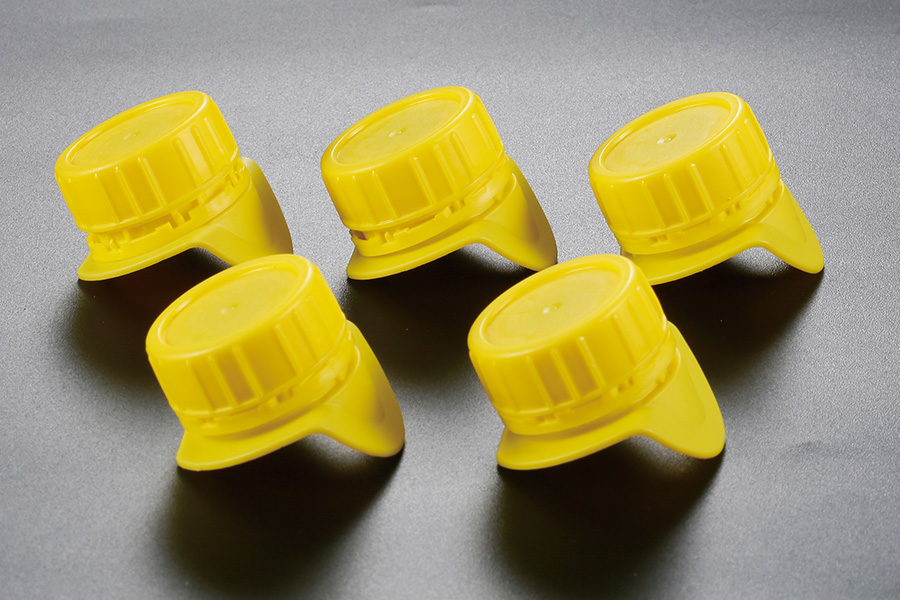
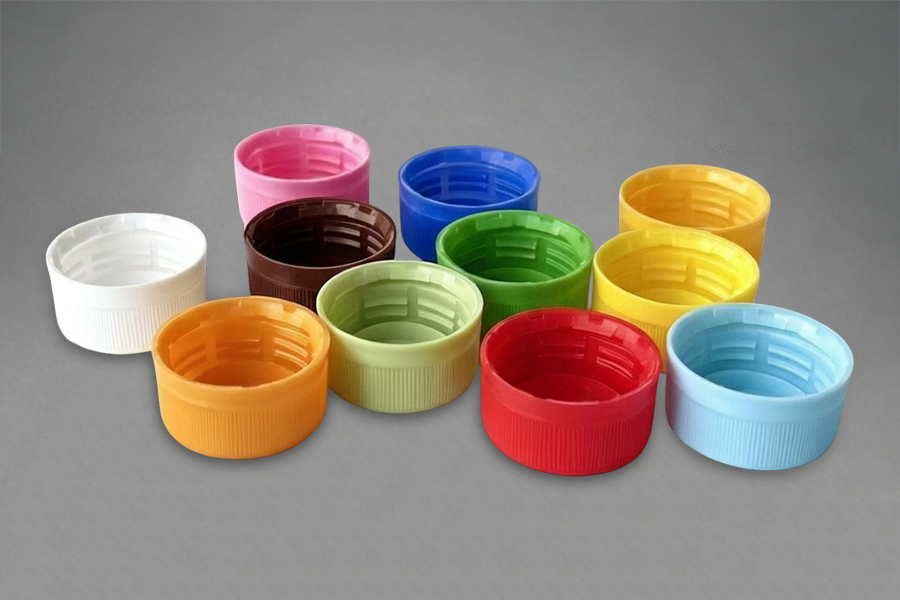
Shelf impact begins with visibility. A cap with a clear, structured shape can draw attention without overwhelming the overall packaging design. Rounded caps, for example, tend to provide a familiar appearance that blends smoothly with curved bottle shoulders. Angular or taller caps offer a different effect by giving the package more vertical definition, which can help a product stand out when placed among similar items.
The height and outline of a plastic packaging bottle cap also affect how products are arranged in rows. Caps with a more compact profile help retailers stack or line products closely, allowing more items to fit on a shelf. Caps with a taller or more pronounced shape create slight spacing between bottles, which can help highlight individual products. Depending on the marketing approach, either arrangement can serve a purpose. Retailers often adjust layout based on seasonal promotions or store-specific display strategies.
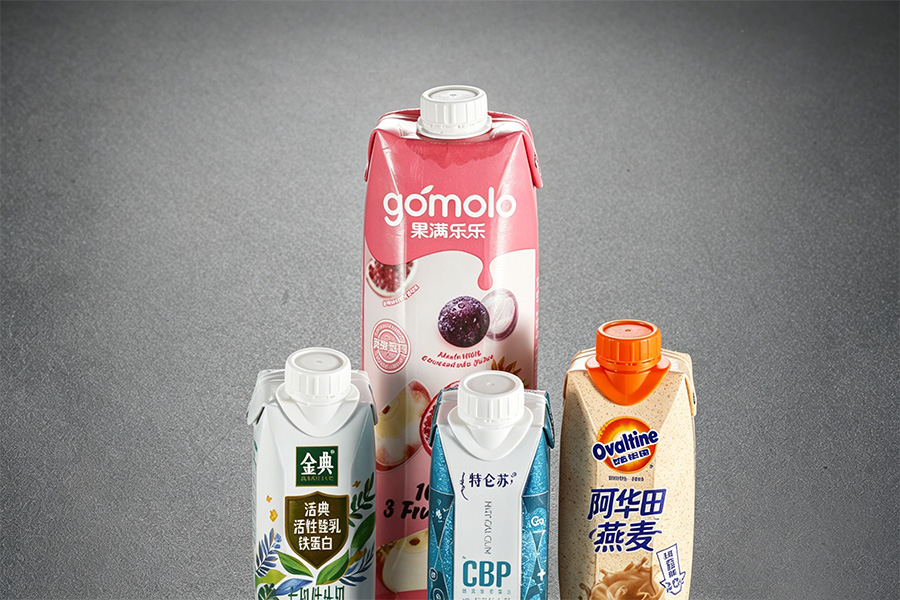
For dairy cartons, the screw cap sits on a flat top surface, giving consumers an immediate visual cue about where to open the product. A cap shape that rises slightly above the carton top helps customers spot the opening mechanism without turning the package, which can be useful in refrigerated sections where visibility is partly limited by condensation or lighting.
Cap shape influences not only how a product looks but also how it feels when customers pick it up. A bottle with a cap that complements its contours often appears more balanced, encouraging customers to hold it naturally. Smooth-edged caps promote comfortable twisting during examination, while ridged or textured caps provide grip for customers who want to check the closure.
When customers browse dairy cartons, the screw cap shape signals ease of opening. A wider cap with textured edges is easier to grip, especially in chilled conditions where surfaces become damp. Consumers who value convenience may interpret a well-shaped cap as an indication that the product will be straightforward to use at home, which can influence their purchasing choice even before reading the product label.
Cap shapes play a role in how brand identity is expressed. A plastic packaging bottle cap can complement the color scheme, label graphics, or silhouette of the bottle. A flat or low-profile cap offers a subtle, streamlined appearance suited for minimalist packaging styles, while a taller cap with a defined edge may support a more structured or functional look.
Brands often use color-coded caps to differentiate product types, especially in food, beverage, and personal care categories. The cap shape affects how these colors are perceived from a distance. A wider top surface makes color more visible from above, which matters when products are stocked on lower shelves where customers view items at a downward angle.
On dairy cartons, the screw cap sits in a prominent position. A clearly defined round shape contrasts against the rectangular carton body, helping retailers ensure product categories are easy to identify. This can be especially helpful during peak shopping hours when customers make quick selections.
Retailers pay close attention to how packaging dimensions affect shelf space. Cap shape can subtly influence how many units fit on a shelf and how efficiently cartons or bottles can be lined up.
A plastic packaging bottle cap with a smooth, consistent diameter reduces friction between products, making restocking easier. Retail workers can slide bottles into place without snagging or misalignment. This efficiency becomes important for high-rotation products such as beverages, detergents, or household liquids.
For dairy cartons, the screw cap shape affects vertical stacking during transport and storage. A cap that stays within a controlled height range allows cartons to be packed in layers without unwanted pressure on the closure area. Retailers often move products quickly from distribution centers to refrigerated aisles, so a cap shape that maintains structural stability helps prevent deformation during these transitions.
Product categories often rely on subtle visual cues to help customers distinguish between items on crowded shelves. Cap shapes support this differentiation in ways that do not require major packaging changes.
A plastic bottle designed for thicker liquids may use a wider cap to communicate controlled dispensing or compatibility with larger bottle necks. This shape suggests practical handling benefits without making explicit claims. A slimmer cap paired with a tall bottle can indicate a lighter product or a more refined formulation.
If you have any questions, please fill out the contact form at the bottom of the page and contact us.
© Lile (Taizhou) Technology Co., Ltd.
Toudao Town, Taizhou City, Zhejiang Province, China.
liletz@163.com
+8613706571648