
 English
  русский
 عربى
عربى
Industry News
Home / Blogs / Industry News / How Do Dairy Carton Packaging Screw Caps Support Automated Filling Operations?
Content
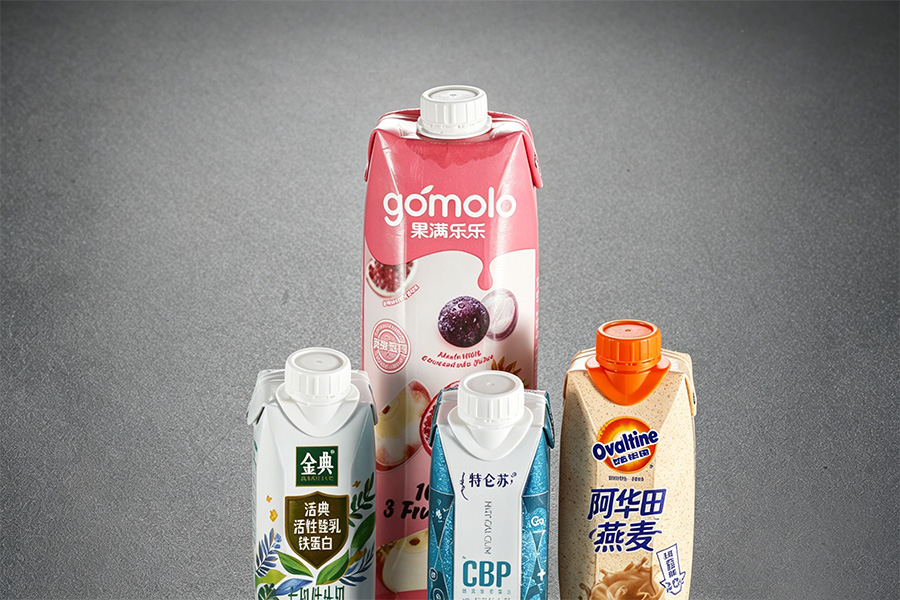
Growing attention on automated production lines has encouraged many manufacturers to examine how packaging components influence filling speed and consistency. When discussing the function of a Plastic Packaging Bottle Cap together with a Dairy Carton Packaging Screw Cap, one common question is how these closures adapt to automated systems that operate at steady speed and require dependable mechanical engagement. Understanding the structural design behind these caps helps clarify their role within modern filling and sealing processes.
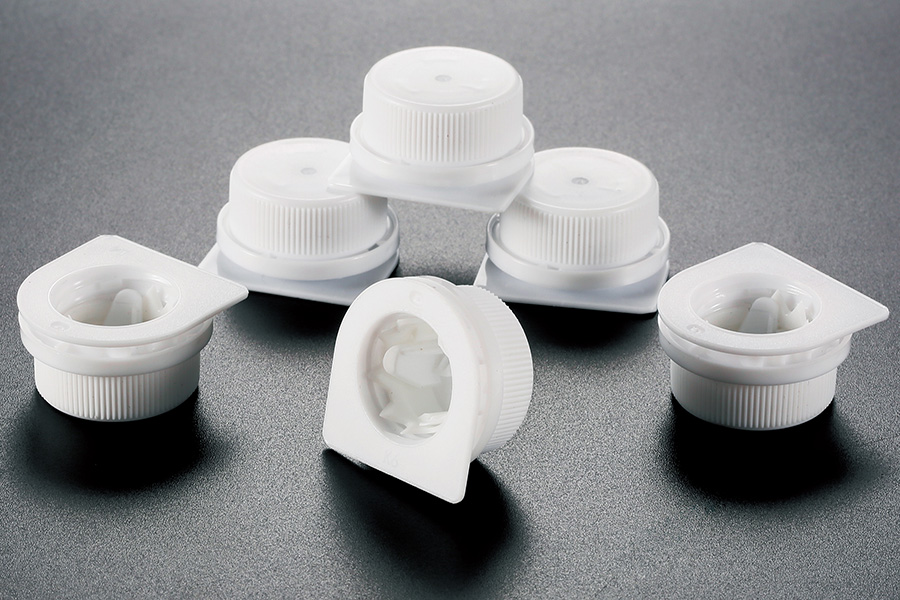
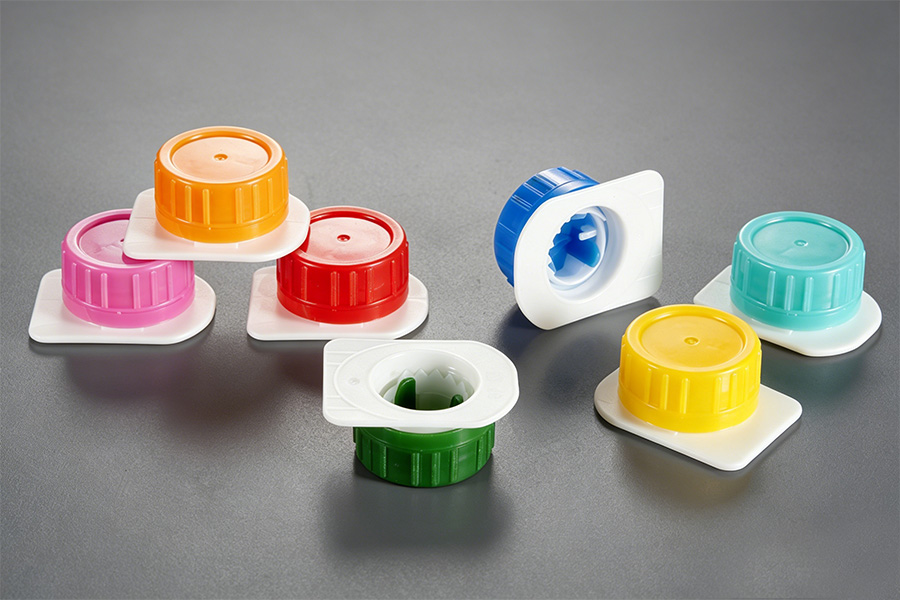
Automated filling lines depend heavily on positioning accuracy. A dairy carton packaging screw cap typically features a defined outer contour and consistent diameter, enabling filling equipment to detect, orient, and apply the cap with reduced interruption. Smooth edges and stable wall thickness ensure that mechanical grippers, rotary application heads, or capping arms can grasp and rotate the cap without slipping.
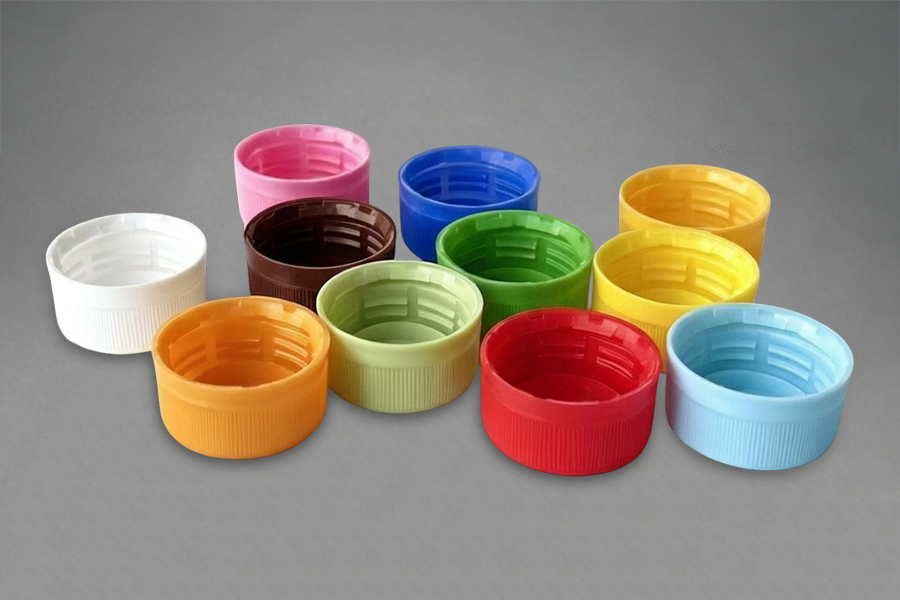
A plastic packaging bottle cap shares similar requirements. Its round profile and uniform threading allow automated machines to seat the cap correctly on the bottle neck. When caps maintain consistent geometry from batch to batch, line operators experience fewer alignment adjustments. This consistency lowers the risk of cross-threading or incomplete closure during high-speed operation, which directly supports steady product output.
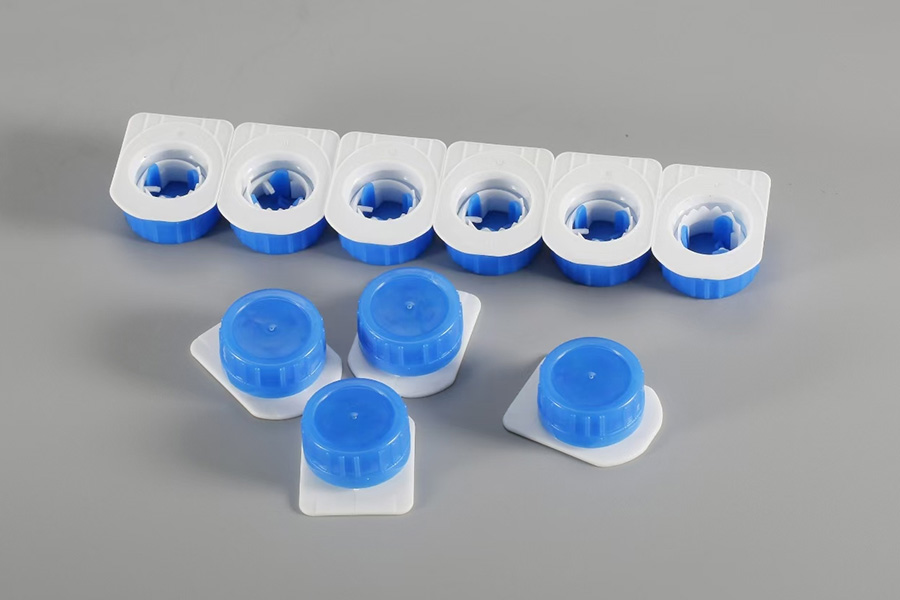
Automated capping systems rely on controlled torque rather than manual force. For this reason, the thread structure of a dairy carton packaging screw cap must be formed with precision. When the threads are cut cleanly with defined pitch and depth, the machine can rotate the cap smoothly onto the spout ring welded onto the carton top.
The thread configuration also supports reclosure after the product reaches consumers. Machine-applied torque must neither overtighten the cap nor leave it too loose, and a stable thread surface helps achieve this balance. A plastic packaging bottle cap benefits from similar engineering features, allowing automated torque controls to achieve consistent engagement between the cap and the bottle mouth.
Automated systems exert pressure during sorting, feeding, and capping. A dairy carton packaging screw cap made from a stable grade of plastic resists deformation when subjected to mechanical contact. Feeding rails and hopper systems often push caps along metal surfaces, so the material must maintain shape without developing dents or cracks.
A plastic packaging bottle cap also undergoes vibration and impact as it travels through equipment such as cap elevators, sorting bowls, and capping heads. Material stiffness and controlled flexibility help the cap maintain intact threads through this process. By withstanding these mechanical stresses, caps support a smoother filling workflow, especially during peak production periods when lines run for extended hours.
Automated filling machines use different sealing technologies depending on the packaging format. For cartons, the screw cap is typically applied after the carton top is formed and sealed ultrasonically or through heat fusion. The cap must match the dimensions of the spout to ensure an even fit, allowing the automated press-in step to fix the spout securely to the carton surface.
For bottles, a plastic packaging bottle cap is usually applied after the bottle has passed through liquid dosing nozzles. This requires the cap to match the bottle thread design precisely so that the machine can rotate it to the correct position. Manufacturing tolerances play a key role here; small deviations in cap size or material thickness may interrupt flow on the line or cause inconsistent sealing.
Automated filling lines often rely on centrifugal or vibratory bowl sorters that separate and orient caps before they reach the capping station. A dairy carton packaging screw cap with a smooth exterior surface moves through these systems without catching on rails or vibrating plates.
Similarly, a plastic packaging bottle cap with clean mold lines and a low-friction surface supports fast feeding. Excessive surface texture may create unnecessary resistance, so the balance between grip and smoothness is important. Well-designed surface characteristics help reduce stoppages caused by caps flipping or jamming inside feeders.
Certain products packaged in cartons, such as flavored milk or seasonal dairy beverages, may require increased production output at specific times of the year. Automated filling lines depend on closures that can maintain stable performance under higher operating speeds. The screw cap’s consistent shape, defined threading, and durable material allow it to integrate into rapid filling cycles without frequent adjustment.
If you have any questions, please fill out the contact form at the bottom of the page and contact us.
© Lile (Taizhou) Technology Co., Ltd.
Toudao Town, Taizhou City, Zhejiang Province, China.
liletz@163.com
+8613706571648