
 English
  русский
 عربى
عربى
Industry News
Home / Blogs / Industry News / What Helps Dairy Carton Packaging Screw Cap Maintain Reliable Reclosure Performance?
Content
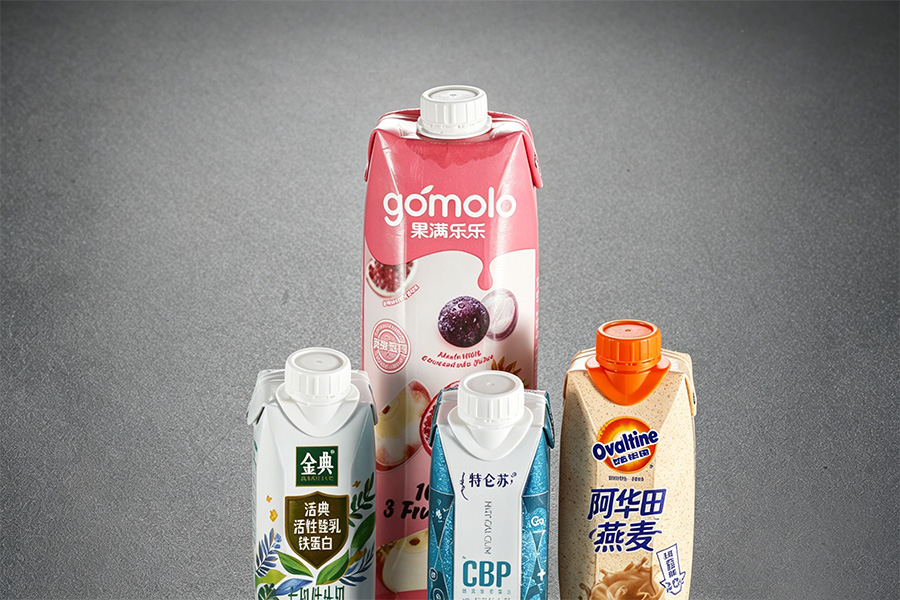
Daily use often raises questions about how a Plastic Packaging Bottle Cap or a Dairy Carton Packaging Screw Cap continues to function smoothly after repeated opening. Many products require multiple accesses throughout their shelf life, and a cap that retains steady reclosure performance plays a practical role in preventing unintended spills, keeping the contents protected, and supporting user convenience. Understanding what contributes to this consistency helps manufacturers and consumers make informed decisions about packaging choices.
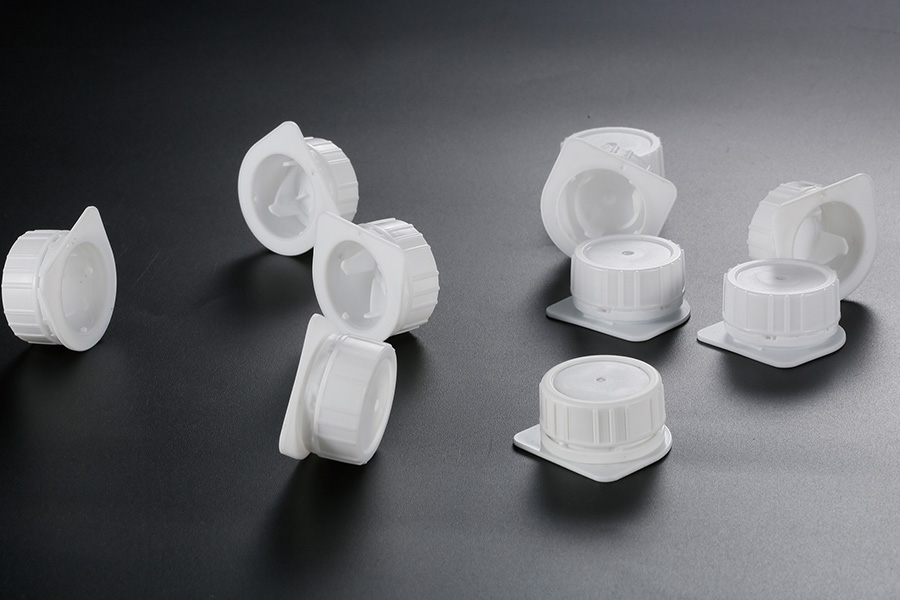
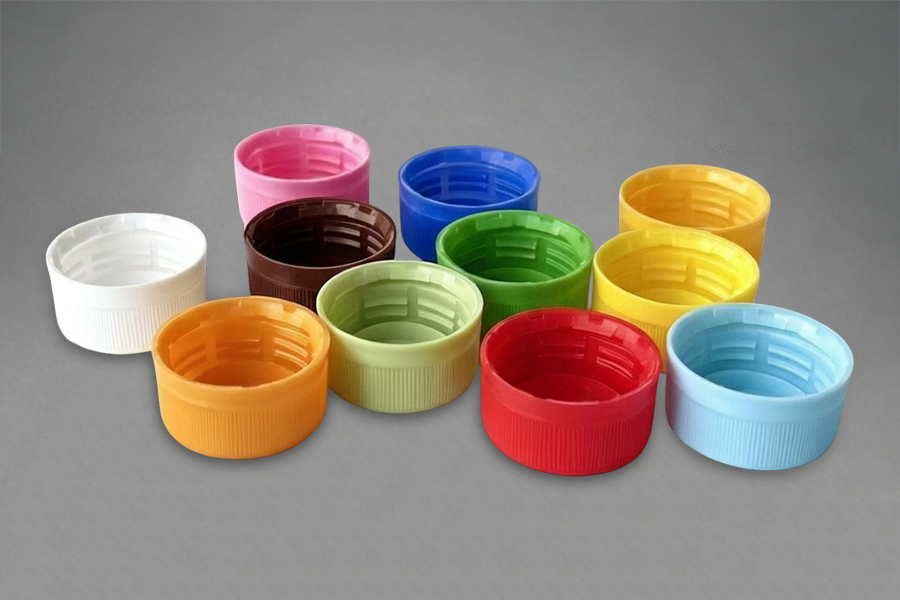
A reclosure system begins with the thread design. The screw threads on a dairy carton cap and the internal threads of a plastic packaging bottle cap are shaped to create a controlled friction level during twisting. This friction prevents the cap from loosening unintentionally, even when the carton or bottle experiences movement during handling or transport.
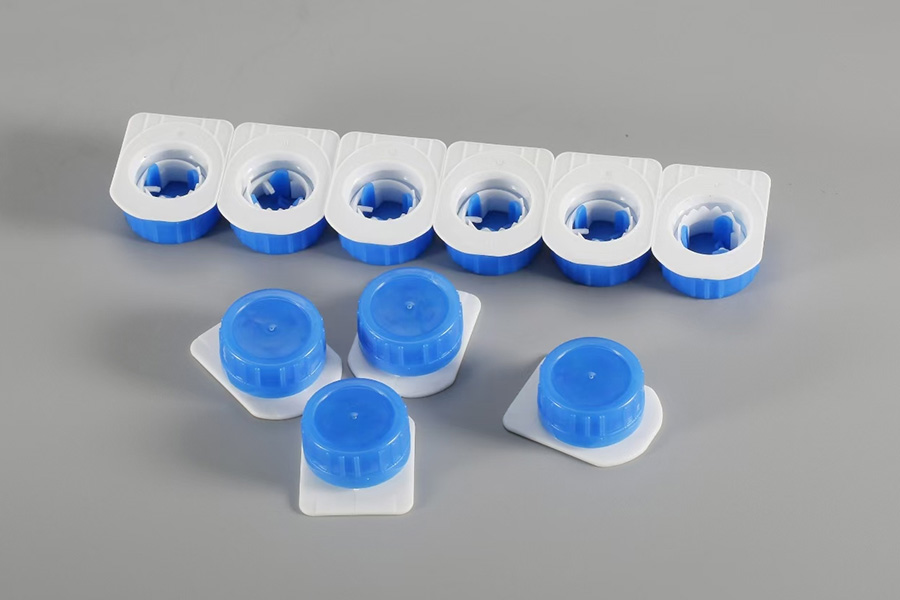
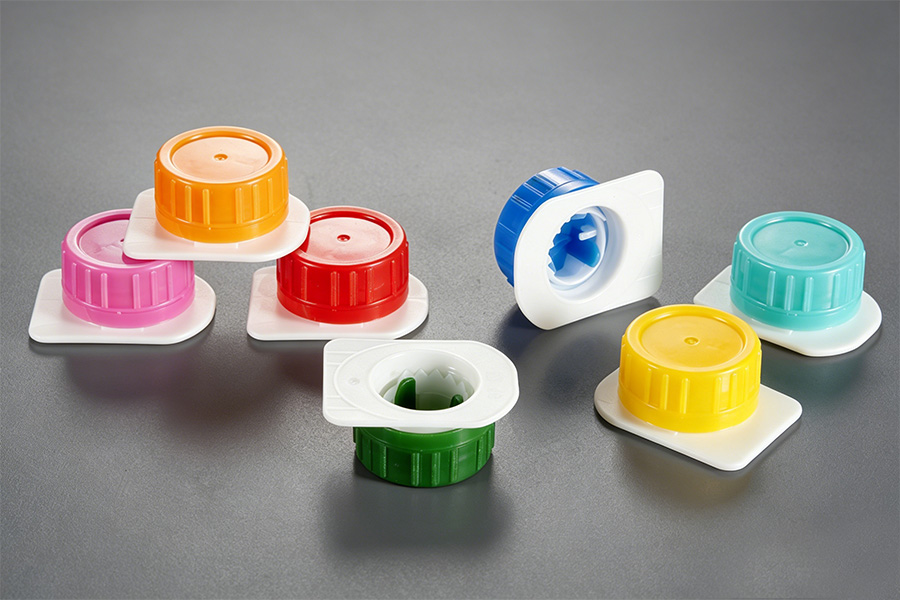
For screw caps used on dairy cartons, the thread engagement between the cap and the molded spout ring helps keep the closure stable each time the user turns it. Because dairy cartons are often handled in chilled environments, the packaging components may contract slightly. A balanced thread structure compensates for these temperature-related shifts, allowing the cap to twist smoothly without slipping or stripping.
Repeated opening does not significantly degrade the thread surfaces because the plastic material is selected to maintain shape under rotational stress. This contributes to steady reclosure performance across the product’s usable period.
Reclosure performance also depends on how easily the user can grasp and operate the cap. Both bottle caps and dairy carton screw caps commonly include anti-slip features such as ridges, indentations, or textured rings. These features improve grip when hands are wet, cold, or oily—conditions frequently encountered when dealing with beverages, dairy products, soaps, or kitchen environments.
For dairy cartons, condensation often forms on the surface after refrigeration. A cap with defined side threads or ribbing helps users maintain control while twisting. This reduces instances where a consumer may fail to secure the closure properly simply because their fingers slipped. By aiding consistent torque application, the grip structure supports dependable reclosure.
Plastic resilience plays a meaningful role in reclosure reliability. The cap must resist warping from pressure changes caused by hot or cold environments, stacking, or squeezing during distribution.
A plastic packaging bottle cap generally uses a resin formulation that maintains structure against mild compression or expansion pressures created by changing air volume inside the bottle. This prevents the cap from becoming misshapen or losing its ability to engage the threads properly.
For dairy carton packaging screw caps, the material needs to balance firmness and slight flexibility. Carton spout rings and caps often expand or contract differently due to differences in material composition. A cap with stable material properties ensures the threads align correctly each time the user recloses it, even when stored in refrigerators or transported across fluctuating climates.
Inside the cap, a sealing surface or liner is designed to sit securely against the bottle neck or spout ring. A steady reclosure depends on the cap being able to re-create this seal multiple times.
For cartons, the screw cap compresses gently against the top of the spout ring when closed. This compression is consistent because the cap’s structure returns to its original shape after each use. This means the user can open the carton several times a day without degrading the closure effect.
For plastic packaging bottles, the inner sealing surface is shaped to match the bottle’s opening. When the cap is twisted tightly, it forms a barrier that reduces the chance of unintended leaks. Because the sealing surface is made from a material that resists permanent deformation, it continues to function across repeated closures.
Reclosure requirements differ depending on the product type. Beverages may be opened multiple times in a short period, while detergents, oils, or lotions may be accessed less frequently but require steadier sealing each time.
A plastic packaging bottle cap maintains usability by offering a stable opening force, avoiding situations where the cap becomes easier or harder to twist over time. This helps ensure a predictable experience for consumers, regardless of how often they use the product.
For dairy cartons, screw caps support frequent use across short shelf-life periods. Seasonal drinks, flavored milk, and children’s beverages are often reopened many times a day. A cap designed with a consistent turning resistance allows caregivers, children, or elderly users to operate it comfortably without worrying about misalignment or incomplete closure.
If you have any questions, please fill out the contact form at the bottom of the page and contact us.
© Lile (Taizhou) Technology Co., Ltd.
Toudao Town, Taizhou City, Zhejiang Province, China.
liletz@163.com
+8613706571648