
 English
  русский
 عربى
عربى
Industry News
Content
- 1 How Lightweight Bottle Designs Change Closure Requirements
- 2 Why Closure Weight and Structure Matter in Lightweight Packaging Systems
- 3 Practical Benefits of Using Helicap 27 in Lightweight Packaging Applications
- 4 Balanced structural strength
- 5 How Lightweight Packaging Influences Transportation and Storage Conditions
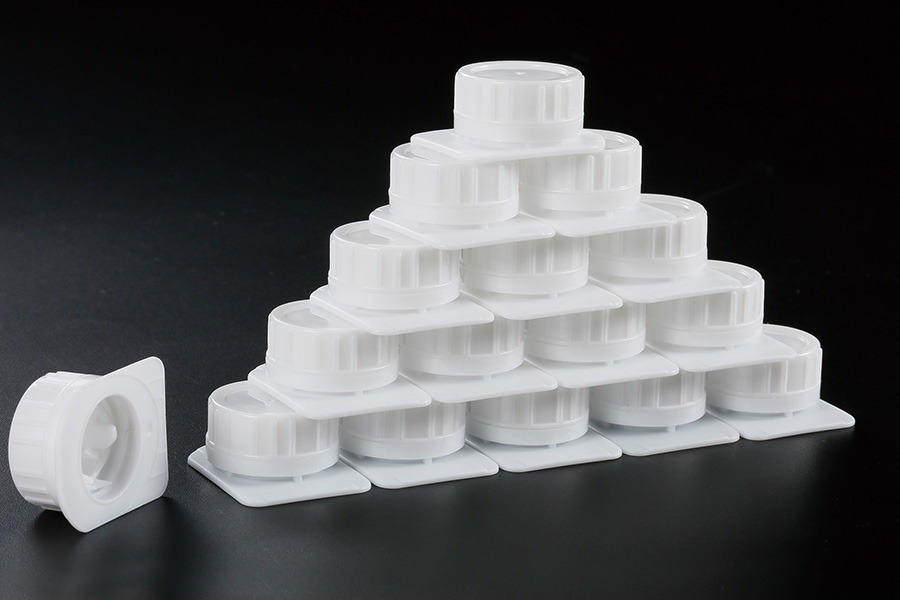
Packaging weight reduction has become a practical priority for beverage and liquid food manufacturers due to transportation efficiency goals, material cost considerations, and environmental regulations. Lightweight bottle designs reduce material usage but also introduce structural challenges, especially at the closure interface. Helicap 23 and Helicap 27 closures are commonly used in modern packaging systems, and Helicap 27 plays an important role in supporting lightweight packaging because its structural compatibility with lightweight bottle neck finishes helps maintain sealing stability. Understanding how Helicap 27 contributes to lightweight packaging design allows manufacturers to balance material reduction with closure performance and product protection.
How Lightweight Bottle Designs Change Closure Requirements
Reducing bottle weight typically involves decreasing wall thickness and adjusting bottle neck geometry. While these changes reduce material consumption, they can also affect how closures engage with the bottle. Lightweight bottle necks may have less structural rigidity compared to traditional designs, which means closures must apply sealing force in a controlled and consistent manner.
Helicap 27 closures are designed to work with bottle neck finishes commonly used in lightweight packaging. Their thread profile and structural dimensions allow closures to engage evenly with the bottle neck without causing deformation. This balanced engagement helps maintain sealing contact even when the bottle material is thinner.
Another important factor is sealing pressure distribution. Lightweight bottles require closures that distribute pressure evenly across the sealing surface to avoid creating stress points that could affect bottle neck shape. Helicap 27 closures help maintain stable contact between closure and bottle neck surfaces, supporting packaging integrity during handling and storage.
Helicap 23 closures continue to serve applications involving standard bottle designs, but lightweight packaging systems often use closure formats specifically matched to modified bottle neck dimensions. Choosing closures compatible with lightweight bottles helps maintain consistent packaging performance.
Why Closure Weight and Structure Matter in Lightweight Packaging Systems
Closure weight contributes directly to overall packaging mass. While closures represent a small portion of total package weight, reducing closure mass without affecting sealing performance is an important part of lightweight packaging design.
Helicap 27 closures are designed with material distribution that supports structural strength while maintaining a balanced closure profile. This allows closures to function effectively in lightweight packaging systems without adding unnecessary weight.
Structural design also affects how closures respond to mechanical stress during transportation and stacking. Lightweight bottles may flex slightly under load, and closures must maintain sealing engagement despite this movement. Helicap 27 closures are designed to maintain thread engagement even when bottle structures experience minor deformation during normal handling.
Helicap 23 closures remain suitable for many beverage packaging applications, but closure selection must align with bottle design changes introduced during lightweighting efforts. Matching closures with bottle specifications helps maintain packaging stability.
Practical Benefits of Using Helicap 27 in Lightweight Packaging Applications
Helicap 27 closures support lightweight packaging systems in several practical ways:
- Compatibility with lightweight bottle neck finishes
Closures align with thread designs used in reduced-weight bottle structures.
Balanced structural strength
Closures maintain their shape during application and handling.
- Consistent sealing surface contact
Helps maintain sealing stability even when bottle walls are thinner.
- Support for automated high-speed production lines
Closures function smoothly with automated capping equipment used in lightweight packaging systems.
- Material efficiency contribution
Closure design aligns with packaging systems focused on material reduction.
These practical characteristics allow closures to function effectively in packaging systems designed to reduce material use.
How Lightweight Packaging Influences Transportation and Storage Conditions
Lightweight packaging affects how products behave during transportation and storage. Thinner bottle walls may respond differently to stacking pressure, vibration, and temperature changes compared to heavier bottle designs. Closures must maintain sealing engagement under these conditions.
Helicap 27 closures help maintain closure positioning during transportation by providing consistent thread engagement. This helps reduce the risk of closure loosening caused by vibration or handling. Maintaining closure engagement is important for preventing leakage and maintaining product containment.
Storage conditions such as temperature variation may also influence lightweight packaging. Bottle materials may expand or contract slightly in response to temperature changes. Closures must maintain sealing contact throughout these variations. Helicap 27 closures are designed to function within typical beverage storage temperature ranges, supporting packaging stability.
Helicap 23 closures continue to function effectively in packaging systems that do not involve significant bottle weight reduction. However, lightweight bottle designs often require closures specifically matched to their structural characteristics.