
 English
  русский
 عربى
عربى
Industry News
Content
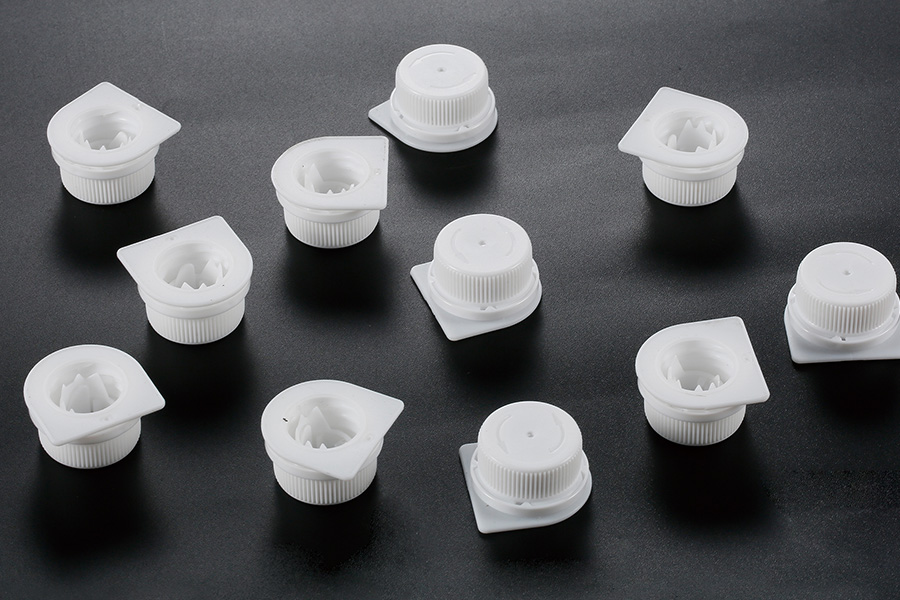
Carbonated beverage packaging presents unique technical challenges because internal pressure, gas retention, and repeated handling all affect closure performance. Helicap 23 and Helicap 27 closures are widely used across beverage packaging systems, but certain applications involving carbonated drinks require closures designed to accommodate higher internal pressure and structural demands. Helicap 27 closures are commonly selected in these situations due to their compatibility with bottle designs used for carbonated products and their ability to maintain consistent sealing contact during filling, transport, and storage.
Why Carbonated Beverages Require Specialized Closure Considerations
Carbonated beverages contain dissolved carbon dioxide, which creates internal pressure inside the container. This pressure places continuous stress on the closure and bottle neck interface. Closures used for these products must maintain secure thread engagement and sealing surface contact even when pressure fluctuates due to temperature changes or handling conditions.
When carbonated beverages are exposed to warmer temperatures, internal pressure can increase as the gas expands. If the closure does not maintain sufficient structural stability, this pressure may create small gaps between the closure and bottle neck, increasing the risk of gas loss or leakage. Gas loss not only affects product quality but may also influence product shelf life and consumer experience.
Helicap 27 closures are often used in carbonated beverage packaging because their size and structural characteristics align with bottle neck finishes designed for pressurized products. Their thread engagement and sealing surface design help maintain consistent closure positioning even when exposed to internal pressure.
Helicap 23 closures may be used in non-carbonated or lightly pressurized beverage applications, but carbonated beverages often require closure formats specifically matched to bottle designs intended for pressurized filling conditions. Selecting closures appropriate for the level of carbonation helps maintain packaging stability throughout distribution and storage.
Situations Where Helicap 27 Is Commonly Used in Carbonated Beverage Packaging
Helicap 27 closures are typically selected in packaging environments where internal pressure and container size require closures designed for pressurized products. Common scenarios include:
- Carbonated soft drinks packaged in PET bottles
Closures must maintain sealing performance despite internal carbonation pressure.
- Sparkling water and flavored carbonated water products
Closures help maintain carbonation levels during storage and transport.
- Carbonated juice-based beverages
Products containing both carbonation and organic components require secure sealing.
- Larger bottle formats containing carbonated beverages
Higher liquid volume increases pressure forces acting on the closure system.
- Products intended for long-distance distribution
Closures must maintain sealing performance throughout extended transportation periods.
These situations require closures that align with bottle neck specifications designed for carbonated beverage applications.
How Closure Size and Thread Engagement Affect Carbonation Retention
Closure diameter and thread design influence how well a closure maintains sealing contact with the bottle. Helicap 27 closures are designed to engage with bottle neck finishes commonly used in carbonated beverage packaging. Proper thread engagement allows closures to remain securely attached even when internal pressure creates upward force on the closure.
The sealing surface inside the closure also plays a role in maintaining carbonation retention. When the closure is applied correctly, the sealing surface compresses against the bottle neck finish, forming a barrier that helps prevent gas from escaping. This mechanical sealing function helps maintain internal pressure stability.
Closures that maintain consistent thread engagement reduce the risk of gradual loosening caused by vibration during transport. This is especially important for carbonated beverages that may travel long distances or be stored under varying environmental conditions.
Helicap 23 closures, while suitable for many beverage applications, may not always align with bottle neck designs used for carbonated beverages. Selecting closures that match bottle specifications is essential for maintaining carbonation retention.
The Influence of Filling Conditions on Closure Selection
Carbonated beverage filling involves specialized processes designed to maintain carbonation levels during packaging. Filling is typically performed under controlled pressure conditions to prevent gas release during bottling. Closures must be applied immediately after filling to maintain internal pressure.
Helicap 27 closures are compatible with automated capping systems used in carbonated beverage production lines. Their structural stability allows closures to be applied quickly and consistently, helping maintain sealing integrity during high-speed production.
Filling temperature also affects closure performance. Carbonated beverages may be filled at lower temperatures to help maintain gas stability. Closure materials must maintain structural consistency under these temperature conditions to ensure proper sealing.