
 English
  русский
 عربى
عربى
Industry News
Content
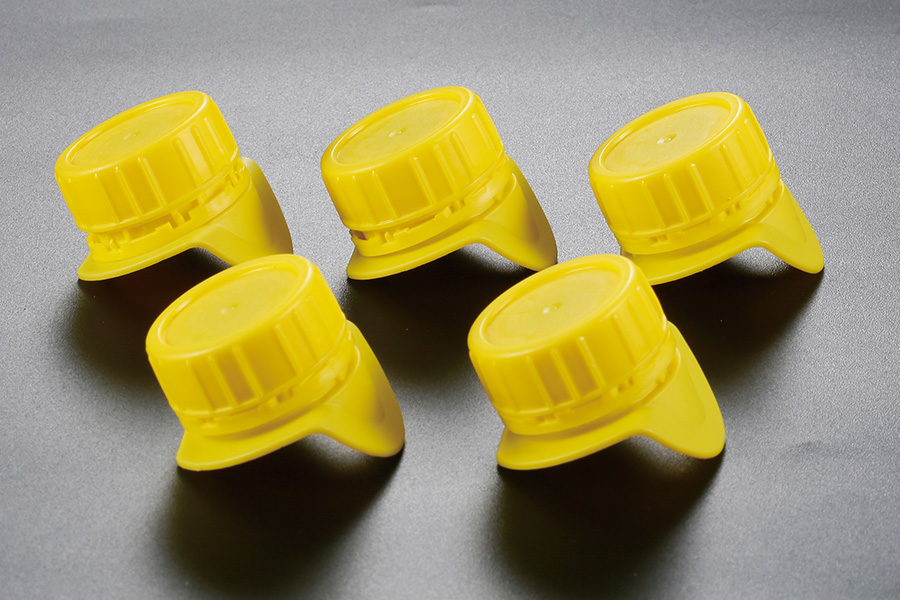
Environmental considerations are influencing how bottle caps are designed, produced, and used across beverage and liquid packaging industries. Closure systems must now support material reduction, recyclability, and compatibility with modern bottle designs while maintaining consistent sealing performance. Helicap 23 and Helicap 27 closures are widely used in beverage packaging, and Helicap 23 is commonly applied in eco-friendly bottle cap systems because its structural compatibility with lightweight bottles, recyclable materials, and automated production processes aligns with sustainability-focused packaging strategies.
How Lightweight Recyclable Bottles Use Helicap 23 Closures
Eco-friendly bottle caps are often used together with lightweight PET bottles designed to reduce overall material consumption. These bottles use less plastic while maintaining sufficient structural strength for filling, transport, and storage. Helicap 23 closures are compatible with many lightweight bottle neck finishes, allowing closures to engage properly without placing excessive stress on thinner bottle structures.
Lightweight bottle designs often include modified thread dimensions and reduced material thickness. Closures must align with these specifications to maintain proper sealing. Helicap 23 closures provide consistent thread engagement with these bottle designs, helping maintain closure positioning throughout the product lifecycle.
Another important factor in eco-friendly packaging is material recovery. PET bottles and closures are typically processed through recycling systems, and closures must be designed to function within these recovery processes. Helicap 23 closures are commonly used in packaging systems that support recycling workflows because their materials and dimensions align with existing recycling infrastructure used in beverage packaging.
Helicap 27 closures also support eco-friendly bottle designs, particularly in packaging systems requiring different closure sizes. Selecting closures that match bottle specifications helps ensure compatibility with lightweight and recyclable packaging formats.
Why Material Reduction Strategies Include Helicap 23 Closure Systems
Material reduction is one of the primary approaches used in environmentally focused packaging. Closure systems contribute to this effort by using efficient material distribution while maintaining structural stability. Helicap 23 closures are designed to function effectively without unnecessary material thickness, supporting packaging systems that aim to reduce plastic consumption.
Closure geometry also affects how material is used. Efficient thread design allows closures to maintain sealing performance without excessive structural mass. This supports packaging systems that aim to balance material efficiency with functional performance.
Eco-friendly packaging strategies also consider closure and bottle compatibility. Using closures that align with bottle neck designs helps prevent sealing issues that could result in product loss or packaging waste. Helicap 23 closures are widely used because their dimensions match bottle neck finishes commonly found in recyclable packaging systems.
Helicap 27 closures serve similar roles in packaging systems designed for larger containers or products requiring different closure sizes. Both closure types contribute to packaging strategies focused on material efficiency and environmental considerations.
Common Eco-Friendly Packaging Applications That Use Helicap 23
Helicap 23 closures are applied in several eco-friendly packaging scenarios where recyclability, material efficiency, and compatibility with lightweight bottles are important:
- Recyclable PET water bottles
Closures support sealing performance while allowing bottles to enter recycling systems.
- Lightweight beverage containers
Closures function effectively with reduced-weight bottle designs.
- Bottles using recycled PET (rPET) materials
Closures align with bottle neck finishes used in recycled material packaging.
- Short lifecycle beverage products
Packaging designed for quick consumption often uses lightweight recyclable materials.
- High-volume beverage production systems
Closures support automated production processes that reduce material waste.
These applications demonstrate how closure selection supports environmentally focused packaging systems.
How Helicap 23 Supports Recycling and Material Recovery Processes
Recycling systems depend on consistent packaging materials and dimensions to function efficiently. Bottle caps must be compatible with sorting, separation, and material recovery processes. Helicap 23 closures are widely used in packaging systems designed for recyclability because they align with material handling practices used in recycling facilities.
Closures must also remain securely attached to bottles during transportation and consumer use to prevent separation that could interfere with recycling workflows. Closure design helps maintain attachment until disposal, allowing bottles and closures to enter recycling streams together.
Material selection plays an important role in recycling compatibility. Closures must be made from materials that can be processed using standard recycling methods or separated effectively during material recovery. Helicap 23 closures are designed for use in packaging systems that align with common recycling infrastructure used in beverage industries.