
 English
  русский
 عربى
عربى
Industry News
Preserving product freshness stands as a core demand in carton packaging, especially for liquids, perishables and moisture-sensitive items. Helicap and Dreamcap, two plastic closure solutions tailored for carton containers, play a pivotal role in locking in freshness through structural design and material selection. Their ability to block external factors and maintain internal stability directly impacts the shelf life and quality of packaged products. This article explores the mechanisms behind how these closures safeguard freshness, breaks down key influencing factors, and provides actionable guidance for practical application.

Structural Design: The Core of Freshness Retention
Both Helicap and Dreamcap rely on refined structural designs to create a physical barrier against air, moisture and contaminants—three primary culprits that degrade product freshness. The differences in their structural principles cause slight variations in freshness protection effects, adapting to different packaging scenarios.
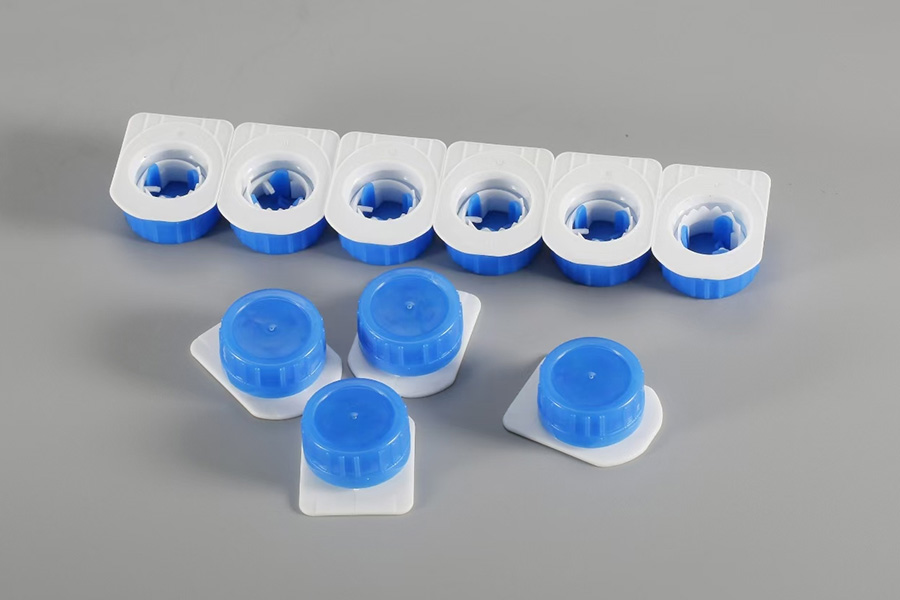
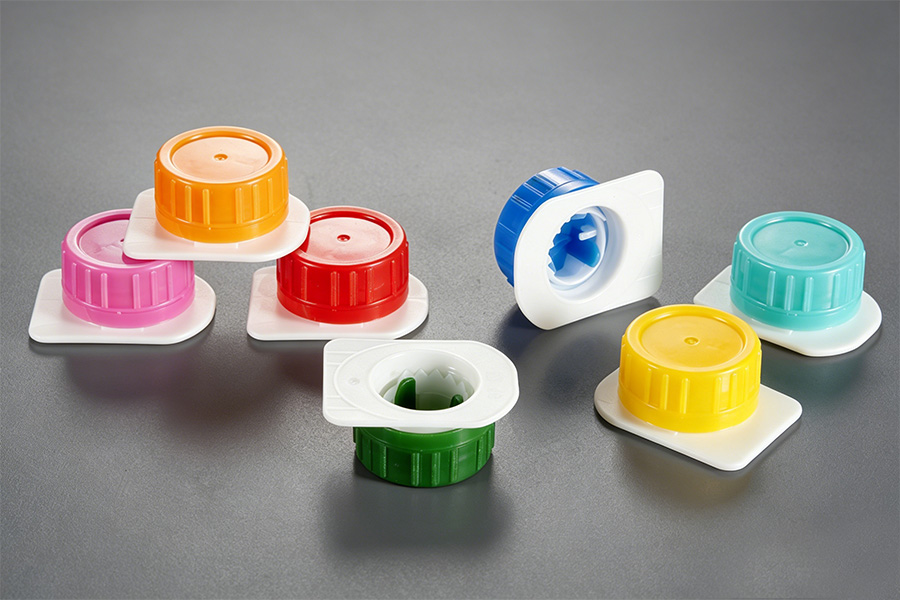
- Helicap's spiral compression structure: Its spiral design enables gradual compression during application, fitting closely with the carton bottle's neck thread. This structure forms a multi-layer seal by aligning thread ridges and grooves, reducing gaps where air or moisture might penetrate. The spiral mechanism also allows for controlled adjustment of fitting tightness, adapting to slight variations in neck dimensions without compromising the seal.
- Dreamcap's snap-on sealing structure: Engineered for quick application, Dreamcap uses a flexible plastic rim that snaps into place on the carton bottle's neck. The rim's elasticity ensures close contact with the neck surface, forming an immediate seal. This design excels at blocking sudden air intrusion during frequent opening and closing, making it suitable for products used in batches.
Helicap's spiral design suits products requiring long-term sealed storage, while Dreamcap's snap-on feature caters to scenarios with repeated access.
Material Selection: Enhancing Freshness Barrier Performance
The plastic materials used in Helicap and Dreamcap contribute to their freshness retention capabilities, as material properties affect resistance to air permeability, moisture transmission and chemical reactions.
- Base material characteristics: Many Helicap and Dreamcap products are made from polypropylene (PP) or polyethylene (PE). PP offers lower air permeability, making it suitable for products sensitive to oxygen exposure, such as fruit juices or edible oils. PE, with its better moisture resistance, works well for items prone to moisture absorption, like powdered drinks or liquid detergents.
- Inner liner matching: To strengthen freshness protection, both closures often pair with inner liners (such as foam or aluminum foil). The liner fills micro-gaps between the closure and the bottle neck, further blocking air and moisture. The liner material is selected based on product properties—aluminum foil liners provide enhanced light and oxygen barrier for light-sensitive products, while foam liners offer better adaptability to uneven neck surfaces.
Material compatibility with packaged products also matters. For acidic or alkaline liquids, the closure material undergoes treatment to resist chemical erosion, preventing material degradation that could create gaps and compromise freshness.
Environmental Adaptability: Maintaining Freshness Under Changing Conditions
Carton-packaged products often experience temperature fluctuations, vibration and pressure changes during storage and transportation—factors that test the freshness retention of Helicap and Dreamcap. Their ability to adapt to these conditions ensures consistent performance.
- Temperature resistance: PP and PE materials used in the closures maintain structural stability within a common temperature range (-20℃ to 60℃). This stability prevents thermal expansion or contraction that could loosen the seal. For products requiring refrigerated storage or hot filling, modified versions of Helicap and Dreamcap are available, with materials adjusted to withstand extreme temperatures without losing sealing capability.
- Resistance to vibration and pressure: During transportation, vibration may loosen closures over time. Helicap's spiral structure, with its interlocking threads, resists vibration-induced loosening better than snap-on designs. Dreamcap addresses this by thickening the snap-on rim, enhancing its grip on the bottle neck. For air transportation, where pressure fluctuations occur, both closures work with carton bottles' internal pressure buffers to avoid seal failure caused by pressure differences.