
 English
  русский
 عربى
عربى
Industry News
Content
- 1 Why the Bottle Cap Matters in Juice Packaging
- 2 Plastic Screw Caps: The Most Common Choice
- 3 Tamper-Evident Caps: Essential for Consumer Trust
- 4 Flip-Top Caps: Convenience for On-the-Go Juice
- 5 Aseptic Caps: For Extended Shelf Life Juice
- 6 Comparison: Juice Bottle Cap Types at a Glance
- 7 Key Factors When Selecting a Juice Bottle Cap
- 8 Conclusion: Choosing the Right Cap for Your Juice Product
When it comes to juice packaging, the right bottle cap directly affects product safety, shelf life, and consumer experience. Not all closures are created equal - the best choice depends on your juice type, filling process, distribution requirements, and target market. This guide breaks down the most suitable plastic bottle cap options for juice manufacturers and packaging buyers.
Why the Bottle Cap Matters in Juice Packaging
Juice is a sensitive product. It can be affected by oxygen exposure, light, pressure changes, and microbial contamination. A poorly chosen closure can lead to leakage, oxidation, spoilage, or loss of flavor - all of which damage your brand reputation.
Bottle caps for juice must meet several core requirements:
Airtight Seal
Prevents oxygen ingress and preserves flavor and nutrition.
Tamper Evidence
Assures consumers the product has not been opened or contaminated.
Material Safety
Food-grade plastic with no harmful chemical migration into the beverage.
Filling Compatibility
Must work with hot-fill, cold-fill, or aseptic filling lines.
Plastic Screw Caps: The Most Common Choice
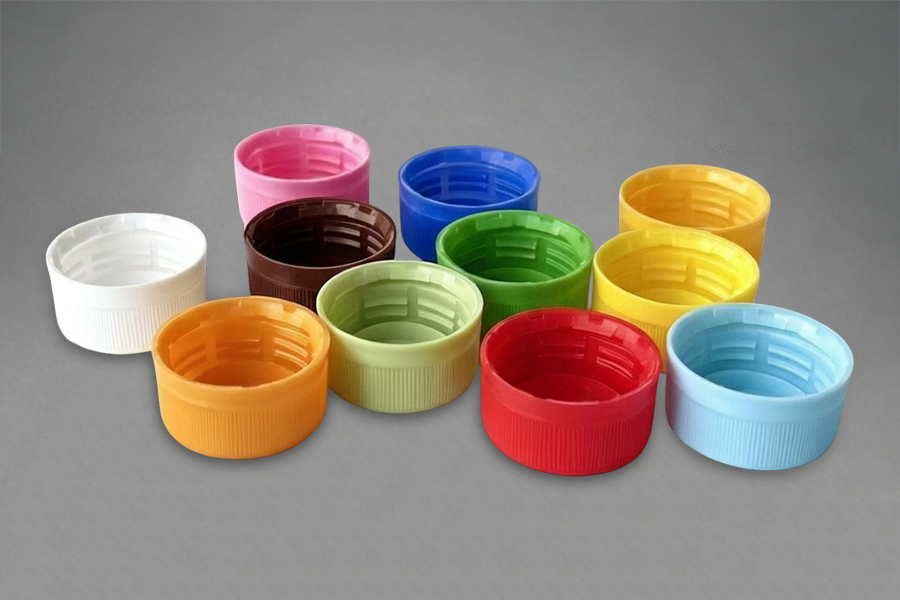
Plastic screw caps (threaded closures) are the most widely used bottle caps in juice packaging - and for good reason. They offer a reliable seal, are easy to open and reseal, and are compatible with high-speed automated filling lines.
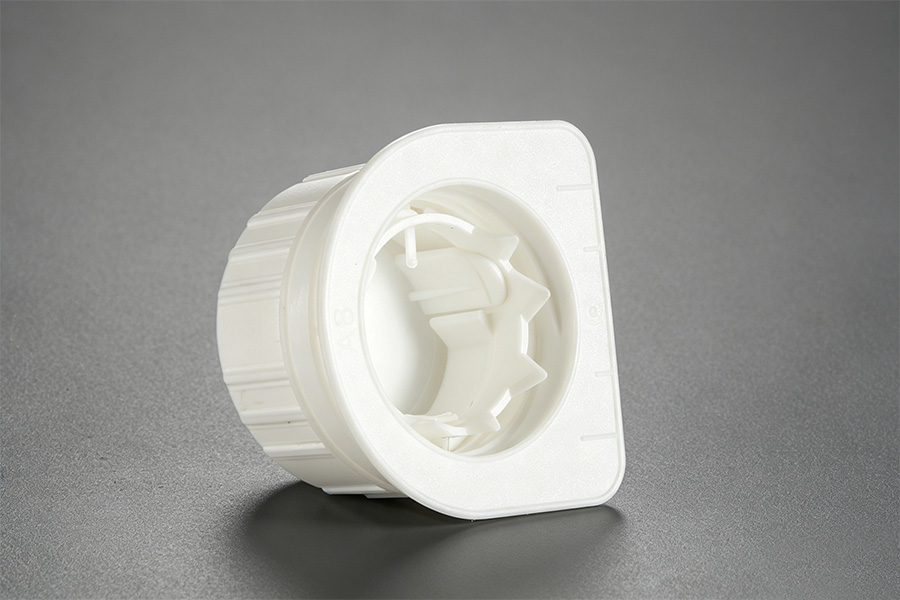
Screw caps come in a wide range of diameters and thread profiles to match different bottle neck finishes. For juice specifically, 28mm and 38mm are common sizes. Key advantages include:
- High sealing performance with inner liner or wad
- Resealable - important for larger juice bottles consumed over multiple servings
- Compatible with both hot-fill and cold-fill processes
- Lightweight and cost-effective at scale
- Available with tamper-evident bands
For most standard juice bottles - whether 250ml single-serve or 1L family size - a screw cap with a tamper-evident ring is the default best practice in the industry.
Tamper-Evident Caps: Essential for Consumer Trust
In juice packaging, tamper evidence is not optional - it is expected by consumers and required by food safety regulations in most markets. A tamper-evident bottle cap provides a visible, irreversible indicator if the cap has been removed after sealing.
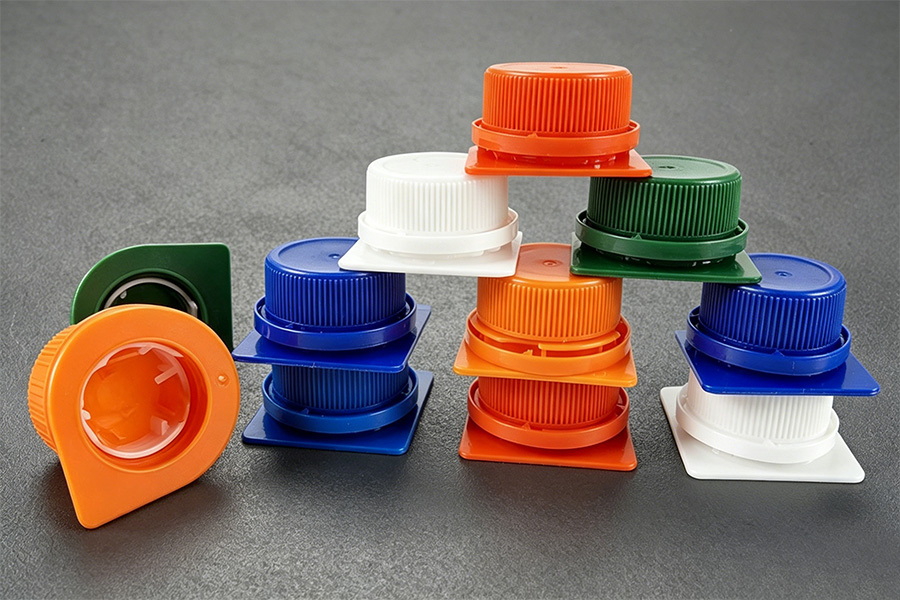
The most common tamper-evident mechanism for juice bottles is the breakaway band - a ring at the base of the screw cap that snaps or detaches the first time the cap is twisted open. Once broken, it cannot be reattached without obvious signs of tampering.
Benefits for juice brands include:
- Clear visual confirmation of product integrity at point of sale
- Reduced liability risk in case of contamination claims
- Consumer confidence, especially in health-focused and premium juice categories
- Compliance with international food packaging standards
Flip-Top Caps: Convenience for On-the-Go Juice
For single-serve juice bottles targeted at active consumers or children, flip-top caps (also called snap-open or hinged caps) offer a one-handed, no-mess drinking experience. The cap flips open with a thumb press and snaps shut to reseal.
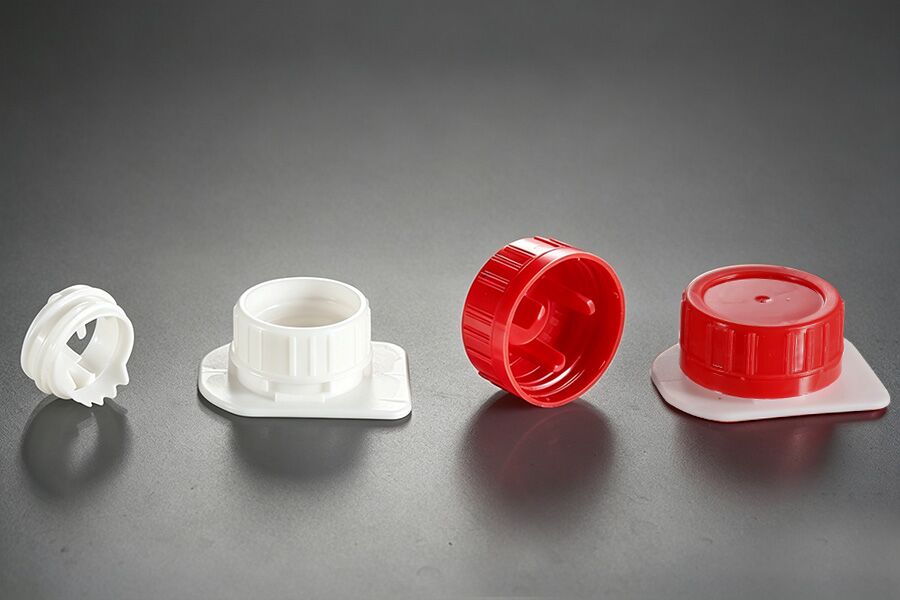
Flip-top closures are increasingly popular in sports and outdoor beverage segments, but are also used for juice pouches and squeezable bottles. They work best with:
- Smoothies and thick juice blends
- Children's juice products where easy opening is a priority
- On-the-go packaging formats (bottle sizes under 500ml)
The trade-off is that flip-top caps are generally not suited for hot-fill processes and may have lower pressure tolerance compared to standard screw caps.
Aseptic Caps: For Extended Shelf Life Juice
Juice products with long shelf life requirements - especially those distributed without refrigeration - often use aseptic filling technology, which demands specialized aseptic bottle caps. These caps are designed to maintain sterility throughout the filling and sealing process.
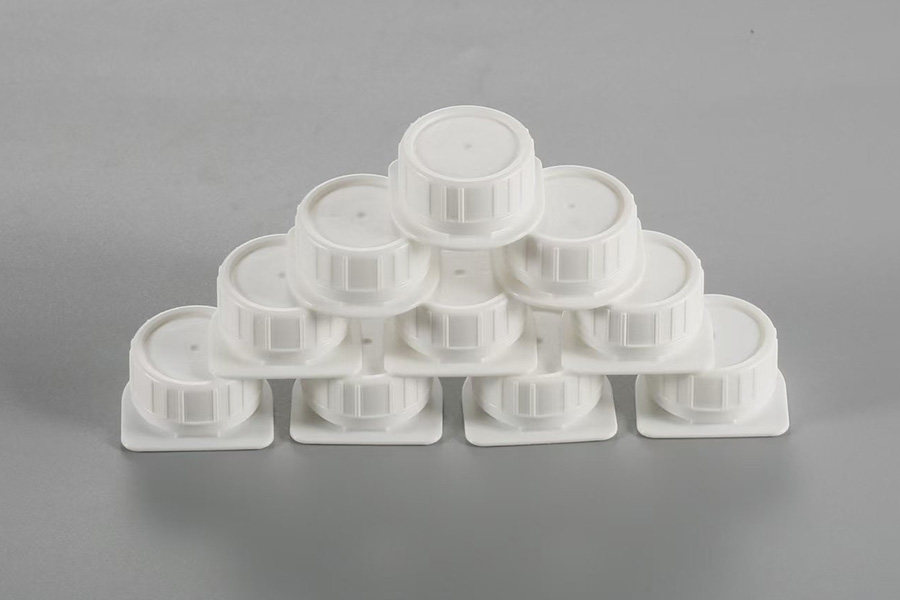
Aseptic closures must withstand sterilization procedures (such as hydrogen peroxide treatment) without deforming or compromising seal integrity. They are commonly used for:
- UHT-processed juice and juice drinks
- Ambient-shelf fruit beverages with 6-12 month shelf life
- Export products requiring long-distance cold chain avoidance
Choosing a cap manufacturer with proven aseptic cap production capability is critical for this application, as tolerances and material specifications are strict.
Comparison: Juice Bottle Cap Types at a Glance
The table below summarizes the key differences between the main cap types used in juice packaging to help you make a faster selection decision.
| Cap Type | Best For | Tamper Evidence | Hot-Fill Compatible | Resealable |
| Plastic Screw Cap | Standard juice bottles, all sizes | Yes (with band) | Yes | Yes |
| Tamper-Evident Cap | Retail, food safety compliance | Yes | Yes | Yes |
| Flip-Top Cap | Single-serve, on-the-go | Optional | No | Yes |
| Aseptic Cap | Long shelf life, ambient storage | Yes | Yes (aseptic) | Yes |
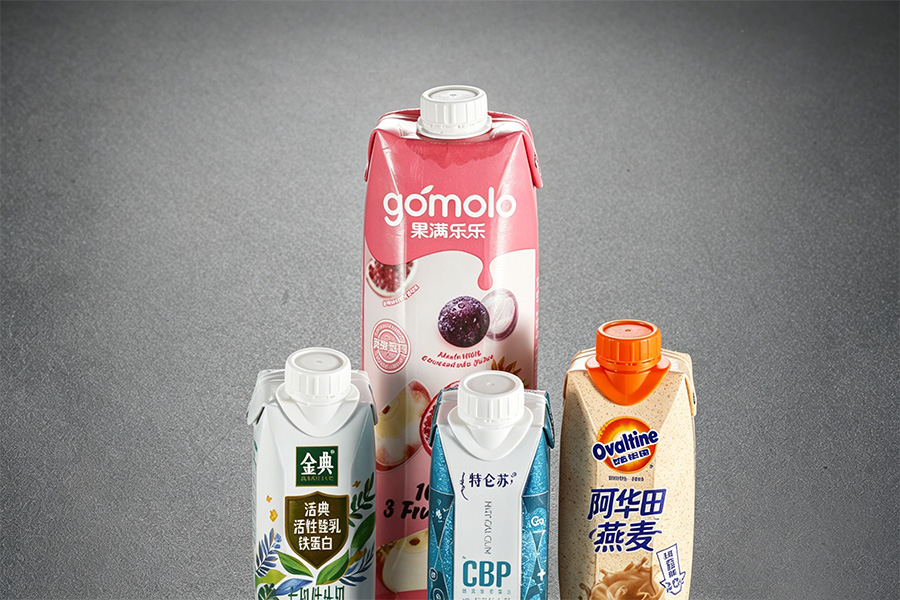
| Push-In Cap | Carton-style or specialty formats | Optional | Depends on design | Sometimes |
Key Factors When Selecting a Juice Bottle Cap
Beyond cap type, several technical and commercial factors should guide your final selection:
01
Filling Temperature
Hot-fill juice (typically above 80 degrees C) requires caps with high heat resistance and a liner that can form a vacuum seal as the bottle cools.
02
Bottle Neck Finish
Cap thread size and profile must precisely match the bottle mouth. Always confirm the PCO or proprietary neck finish specification with your bottle supplier.
03
Material Grade
Food-contact plastics such as PP (polypropylene) and HDPE are standard. Ensure your cap supplier provides food-grade material certifications.
04
Customization Needs
Color, logo embossing, and printing on caps all contribute to shelf presence. High-volume buyers can request custom-colored caps to match brand identity.
05
Regulatory Market Requirements
Different regions have specific requirements for food contact materials and tamper evidence. Confirm compliance certifications before importing caps.
Conclusion: Choosing the Right Cap for Your Juice Product
For most juice brands, a food-grade plastic screw cap with a tamper-evident band is the most practical and cost-effective starting point. If your product requires extended shelf life, an aseptic cap is essential. If your brand targets active or on-the-go consumers, a flip-top design adds real functional value.
The best approach is to work with an experienced bottle cap manufacturer who can advise on cap specifications based on your filling process, bottle format, and target market - and who can provide samples and technical data sheets before full production commitment.