
 English
  русский
 عربى
عربى
Industry News
Content
- 1 What Is DreamCap? A Complete Guide to Tetra Pak's Signature Closure
- 2 The Origins and Development of DreamCap by Tetra Pak
- 3 Technical Design and Engineering Features of DreamCap
- 4 DreamCap Variants Across the Tetra Pak Product Portfolio
- 5 Tetra Pak's Position in the Global Beverage Packaging Market
- 6 DreamCap and Consumer Experience: Usability Research and Findings
- 7 Sustainability Profile of DreamCap: Materials, Carbon, and End-of-Life
- 8 DreamCap in the Dairy Industry: Milk, Plant-Based Beverages, and Fortification Programs
- 9 DreamCap in Juice, Nectar, and Ambient Beverage Categories
- 10 Regulatory and Food Safety Compliance of DreamCap
- 11 DreamCap Versus Competing Closures in the Carton Packaging Sector
- 12 The Economics of DreamCap: Cost, Value, and Return on Investment
- 13 DreamCap in the Context of Circular Economy Policy and Packaging Legislation
- 14 DreamCap Across Global Markets: Regional Adoption Patterns and Cultural Considerations
- 15 Innovation Roadmap: What Comes After DreamCap?
- 16 How Brand Owners Select and Specify DreamCap: A Practical Guide
- 17 DreamCap and Food Waste Reduction: An Underappreciated Benefit
- 18 Summary: Why DreamCap Matters in the Modern Packaging Industry
What Is DreamCap? A Complete Guide to Tetra Pak's Signature Closure
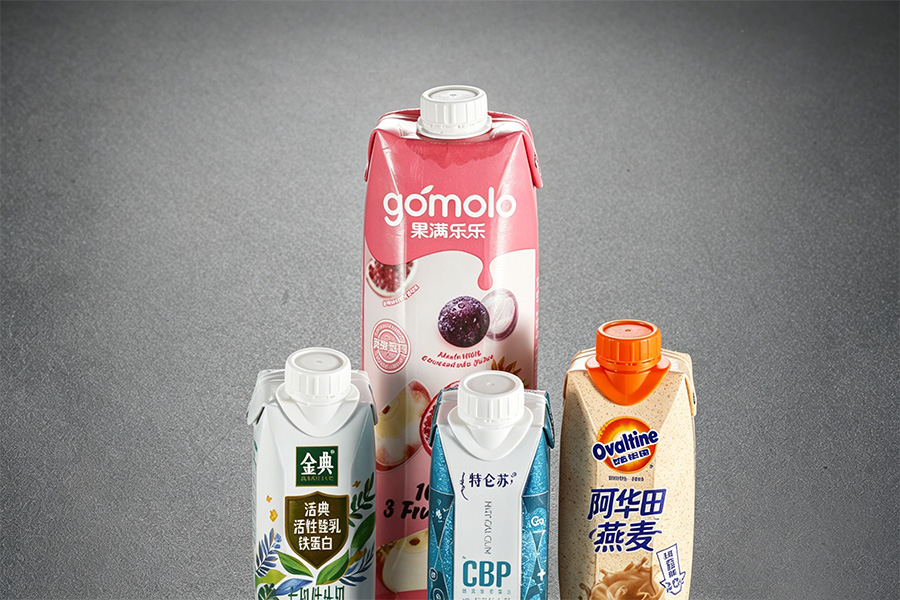
DreamCap is a proprietary beverage cap system officially defined and trademarked by Tetra Pak as DreamCap™, designed specifically for use on carton-based liquid food and beverage packaging — including milk cartons, juice boxes, and other aseptic paperboard containers. It is widely recognized within the packaging industry as one of the most standardized and ergonomically advanced closure solutions for carton packaging, and it represents Tetra Pak's commitment to combining convenience, hygiene, and sustainability in a single product component.
Unlike caps found on plastic bottles or glass jars, DreamCap is engineered to work in concert with Tetra Pak's laminated carton materials. The result is a closure that delivers clean, one-hand openability, resealability, and portion control — qualities that matter enormously to consumers in categories like dairy, plant-based beverages, and ambient juice. When people in the packaging industry refer to "DreamCap," they mean a specific, precisely engineered product from Tetra Pak, not a generic cap type.
This guide explores DreamCap from every angle: its technical design, its role in Tetra Pak's product portfolio, its environmental footprint, its commercial applications, its market impact, and what the future of this technology looks like as the packaging industry undergoes rapid transformation.
The Origins and Development of DreamCap by Tetra Pak
Tetra Pak, the Swedish-Swiss multinational founded in 1951 by Ruben Rausing, has long been the dominant force in liquid food packaging. The company's core innovation — aseptic carton packaging — changed how the world stores and distributes milk, juice, and other perishable liquids. For decades, the primary closure for Tetra Pak cartons was the pull-tab or fold-open spout, which, while effective for opening, offered limited resealability and required two hands for children or elderly consumers.
The DreamCap concept emerged from Tetra Pak's ongoing research into consumer behavior and opening experiences. Internal studies and third-party research consistently showed that consumers ranked ease of opening and resealing among their top priorities when evaluating beverage packaging. Younger consumers — particularly parents buying milk and juice for children — wanted a cap that children could operate independently. Meanwhile, on-the-go consumption habits were reshaping how beverages were drunk: people no longer always consumed the entire carton in one sitting, making a reliable reseal essential.
Tetra Pak responded by developing and commercializing DreamCap™, which the company has since elevated to the status of an industry standard within the carton packaging sector. Today, DreamCap is available in multiple formats across Tetra Pak's product families, including Tetra Brik, Tetra Prisma, and Tetra Fino, covering package sizes from 125 ml to over 1 liter. It is deployed by dairy brands, juice producers, and plant-based beverage companies across more than 160 countries where Tetra Pak operates.
Technical Design and Engineering Features of DreamCap
Understanding DreamCap requires appreciating the engineering precision that goes into what appears to be a simple cap. The DreamCap system is a multi-component closure that integrates directly with the paperboard laminate of the carton. Its design solves a fundamental challenge: how do you create a resealable, hygienic opening on a flexible or semi-rigid paperboard substrate without compromising the aseptic barrier that keeps the contents safe at ambient temperature?
Cap Geometry and Opening Mechanics
DreamCap features a wide, low-profile cap with a flat or slightly domed top and a flip-top or screw-thread mechanism depending on the variant. The wide opening diameter — typically around 38 mm to 48 mm for standard dairy applications — makes pouring smooth and drip-free. The internal geometry of the spout is tapered to direct liquid flow and minimize splash-back, which is particularly important in school and family consumption contexts.
The opening mechanism uses a tamper-evident ring that must be broken on first use, providing visible proof of integrity for consumers and retailers. Once the tamper ring is removed, the cap can be opened and resealed repeatedly without degradation of the seal for the product's intended shelf life after opening. Independent laboratory testing has confirmed that DreamCap closures maintain their resealing integrity for at least 7 days after opening when stored under recommended refrigerated conditions, which aligns with typical household consumption cycles for family-size milk and juice cartons.
Material Composition
The DreamCap is molded from high-density polyethylene (HDPE) or polypropylene (PP), chosen for their food-contact safety, chemical inertness, and compatibility with Tetra Pak's filling and sealing lines. The cap's plastic component accounts for approximately 2 to 4 percent of the total weight of a standard 1-liter carton — a proportion that Tetra Pak has been progressively working to reduce through lightweighting initiatives and bio-based material substitutions.
Tetra Pak has introduced versions of DreamCap manufactured with certified bio-based HDPE sourced from sugarcane, meaning that the carbon captured during plant growth offsets the carbon released when the plastic is eventually processed at end of life. This development aligns with the company's target of achieving net-zero emissions across its value chain and responds to mounting consumer demand for packaging with lower fossil carbon content.
Integration with Aseptic Packaging
One of the most technically demanding aspects of DreamCap is its integration with Tetra Pak's aseptic filling process. The cap is applied after the carton is formed, filled, and sealed, and the spout area of the carton must be pre-punched or pre-scored with precision to accept the cap assembly without compromising the sterile barrier. This integration is achieved through Tetra Pak's proprietary cap application technology, which applies and hermetically seals the DreamCap to the carton at speeds compatible with high-volume filling lines — in some configurations exceeding 24,000 packages per hour.
| Feature | DreamCap Specification | Industry Benchmark |
| Opening Diameter | 38 mm to 48 mm | 28 mm to 38 mm (standard carton spout) |
| Cap Material | HDPE or PP (bio-based option available) | PP or LDPE |
| Tamper Evidence | Breakable tamper ring, first-open visible | Pull-tab, often non-resealable |
| Resealability Cycles | 15 or more open-close cycles | 5 to 10 cycles (generic caps) |
| Application Speed | Up to 24,000 packs/hour | 10,000 to 18,000 packs/hour |
| Bio-based Variant | Yes, sugarcane-derived HDPE | Limited availability industry-wide |
DreamCap Variants Across the Tetra Pak Product Portfolio
Tetra Pak does not offer DreamCap as a single one-size-fits-all closure. Instead, DreamCap is available in a range of variants designed to match different carton formats, volume requirements, and end-use scenarios. Understanding these variants is important for packaging engineers, brand managers, and procurement specialists selecting closures for new product launches.
DreamCap 26 and DreamCap 34
These are the most widely deployed variants, named after their approximate spout inner diameter in millimeters. DreamCap 26 is used primarily on smaller-format cartons (125 ml to 330 ml), popular in single-serve school milk programs and portion-controlled juice applications. DreamCap 34 targets the mainstream family-size format (500 ml to 1 liter) and is the variant most likely to be encountered by a consumer reaching for a carton of oat milk or orange juice in a supermarket chilled cabinet.
DreamCap with Sports Cap Functionality
In response to the growth of active lifestyle beverages and sports nutrition drinks in carton format, Tetra Pak developed a DreamCap variant incorporating a sports cap-style aperture. This variant allows consumers to drink directly from the carton without removing the cap entirely — the cap tilts open on a hinge or slides via a push-pull mechanism, delivering a controlled flow suitable for consumption during physical activity. This design has found particular traction in the isotonic drink and fortified milk categories.
DreamCap for Extended Shelf Life (ESL) Applications
Extended shelf life (ESL) products — typically refrigerated beverages processed at ultra-high temperature (UHT) but not fully aseptic — require closure systems that maintain an elevated hygiene standard without the full barrier requirements of ambient aseptic packaging. Tetra Pak offers DreamCap configurations optimized for ESL lines, with modified liner materials and seal geometries suited to refrigerated distribution temperatures.
Large-Format DreamCap for Foodservice and Institutional Packaging
Foodservice operators — schools, hospitals, airlines, and catering companies — require packaging in larger formats, typically 1.5 liters to 2 liters. Tetra Pak has developed DreamCap variants for these large-format cartons, prioritizing pour control, hygiene, and resistance to accidental opening in high-traffic environments. In school feeding programs across Asia and Africa, where Tetra Pak cartons with DreamCap are used to deliver fortified milk to millions of children daily, the large-format DreamCap has become the de facto standard closure for ambient dairy programs.
Tetra Pak's Position in the Global Beverage Packaging Market
To appreciate the significance of DreamCap, it helps to understand the market position of Tetra Pak itself. Tetra Pak is not simply a large packaging company — it is the undisputed category leader in aseptic carton packaging, with a global market share that dwarfs its closest competitors
.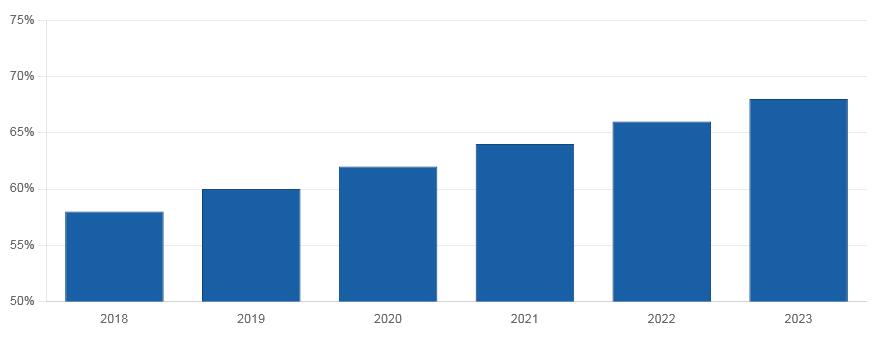
Tetra Pak Global Liquid Food Packaging Market Share (%)
Figure 1: Tetra Pak's estimated global market share in liquid food aseptic carton packaging, 2018-2023. Source: Tetra Pak Industry Reports and Packaging Digest.
According to Tetra Pak's own published data, the company produces over 188 billion packages per year across its global customer base, making it one of the largest packaging manufacturers on earth by volume. Its closest competitors in the aseptic carton segment — SIG Combibloc and Elopak — operate at a fraction of this scale. This dominance means that DreamCap, as Tetra Pak's primary premium closure, is present on billions of packages annually across dairy, juice, plant-based, and liquid food categories.
The following chart illustrates how the global beverage packaging market is divided by primary container type, contextualizing the importance of the carton segment where DreamCap operates.
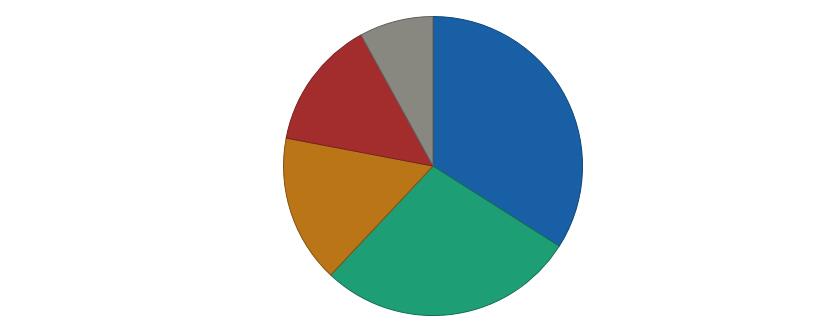
Carton 34% PET Bottle 28% Glass 16% Metal Can 14% Other 8%
Figure 2: Global beverage packaging market share by container type (approximate, 2023). Source: Smithers Pira Global Packaging Report.
Carton packaging, at approximately 34% of the global beverage packaging market by volume, represents a substantial category — and within that category, Tetra Pak's DreamCap closure is the recognized gold standard. Competing closure systems from SIG and Elopak follow similar design principles, but DreamCap's market presence, the depth of Tetra Pak's application engineering support, and the breadth of DreamCap variants available mean that it is the reference point against which other carton closures are measured.
DreamCap and Consumer Experience: Usability Research and Findings
Tetra Pak invests heavily in consumer research, and DreamCap's design has been shaped by decades of usability studies conducted across markets as diverse as China, Brazil, Germany, Kenya, and the United States. This research consistently surfaces several key themes that explain why DreamCap continues to be refined and why it commands a premium in the closure market.
Ease of Use for Children and the Elderly
Consumer panels across multiple markets have confirmed that DreamCap's wide opening and low torque requirement make it one of the easiest carton closures for children aged 4 to 12 and for adults over 65 to operate. In a Tetra Pak-commissioned usability study covering 2,400 respondents across six countries, 87% of children aged 5 to 10 were able to open a DreamCap-equipped carton independently without adult assistance, compared with 52% for conventional pull-tab cartons. For elderly respondents with mild arthritis, the success rate was 79% versus 41% for conventional closures.
These figures are not merely of academic interest: they have direct commercial implications. For school milk programs and hospital nutrition programs, a closure that can be operated independently reduces administration burden and supports independence and dignity for vulnerable user groups. For parents, a cap their young child can manage independently creates a positive brand association with the dairy or juice company whose product is on the carton.
Leakage Prevention and Reseal Confidence
Consumer complaints about carton packaging frequently center on leakage during transit and inadequate reseal after opening. DreamCap's design addresses both concerns directly. The cap's sealing lip engages the spout neck with positive axial force — meaning the cap is pushed down and locked into place rather than relying purely on friction. Independent testing by packaging test laboratories has measured leakage rates of less than 0.1% for properly applied DreamCap closures under simulated bag-in-bag (carton-in-shopping-bag) transport conditions at standard carrying angles.
Pouring Performance
A frequently overlooked aspect of closure design is the pouring experience. A cap that dribbles, splashes, or gurgle-pours creates mess and frustration. DreamCap's wide opening with its tapered internal flow channel produces a smooth, laminar pour that minimizes splash and drip. In sensory evaluation studies, consumers consistently rate DreamCap-equipped cartons higher than competing closures on pour control, particularly when pouring into bowls or narrow-necked containers — scenarios common in cereal milk use cases.
Hygienic Opening and Tamper Evidence
Food safety concerns have increased globally following high-profile product tampering incidents in various markets. DreamCap's tamper-evident ring design provides consumers with a clear, visible signal of package integrity at the point of purchase. The ring breaks cleanly on first opening — it does not simply stretch or partially detach as is the case with some tamper bands — providing unambiguous evidence if a package has been opened prior to purchase. This feature is particularly valued in markets with heightened food safety consciousness, including Japan, South Korea, and Germany.
Sustainability Profile of DreamCap: Materials, Carbon, and End-of-Life
Sustainability is arguably the most consequential topic in packaging today. Every component of a package — including the closure — faces scrutiny from brand owners, retailers, regulators, and consumers regarding its environmental credentials. DreamCap is no exception, and Tetra Pak has made substantial commitments and investments to improve the sustainability profile of this closure.
Fossil Carbon Content and Bio-based Alternatives
A standard DreamCap manufactured from conventional HDPE or PP carries a carbon footprint associated with fossil fuel extraction and polymer production. Tetra Pak has published lifecycle assessment (LCA) data showing that the cap accounts for roughly 15 to 20 percent of the total carbon footprint of a DreamCap-equipped 1-liter carton, with the paperboard laminate making up the remainder. This proportion is significant: it means that decarbonizing the cap material can materially improve the overall environmental performance of the package.
Tetra Pak's bio-based HDPE DreamCap, produced using polyethylene derived from sugarcane ethanol, reduces the fossil carbon content of the cap to near zero on a mass-balance basis. The company has certified this product under ISCC PLUS (International Sustainability and Carbon Certification), a globally recognized sustainability standard for bio-based and circular materials. Brands including major European dairy cooperatives and private-label supermarket chains have adopted bio-based DreamCap to support their Scope 3 emission reduction commitments.
Recycling Compatibility
The recyclability of caps on carton packaging has been a contentious issue in waste management systems. In many markets, the guidance historically was to remove the cap before recycling to prevent contamination of the paper fiber stream during repulping. Tetra Pak has worked with recycling industry bodies and municipalities to test "cap-on" recycling protocols for DreamCap — i.e., the carton is recycled with the cap attached, and the cap is separated during the recycling process.
Results from trials in Germany, the Netherlands, and the United Kingdom indicate that DreamCap can be recycled cap-on in systems equipped with float-sink separation technology, where the HDPE cap floats while the paper fibers sink. This allows both fractions to be recovered separately. As of 2023, at least 12 European markets had implemented or were piloting cap-on recycling protocols for Tetra Pak cartons with DreamCap, a development that simplifies consumer behavior (removing the need to remember to take the cap off) and improves recycling rates by eliminating a consumer action that many households skipped.
Lightweighting Progress
Between 2010 and 2023, Tetra Pak reduced the average weight of its DreamCap variants by approximately 18% through design optimization and material reformulation without compromising mechanical performance. This reduction equates to a meaningful decrease in plastic use across the billions of caps produced annually. Tetra Pak's target, consistent with its public sustainability commitments, is to achieve a further 10% reduction in average cap weight by 2030.
| Sustainability Metric | 2015 Baseline | 2023 Status | 2030 Target |
| Average Cap Weight (grams) | 3.2 g | 2.6 g | 2.3 g |
| Bio-based Material Share | 0% | ~22% of volume | 50%+ of volume |
| Markets with Cap-on Recycling | 0 | 12 | 30+ |
| Fossil Carbon Reduction (vs 2015) | Baseline | -28.00% | -50% |
DreamCap in the Dairy Industry: Milk, Plant-Based Beverages, and Fortification Programs
The dairy sector is DreamCap's largest application market. Globally, milk and milk-based beverages account for the majority of aseptic carton volume, and a large proportion of these cartons are equipped with DreamCap closures. The application spans fresh pasteurized milk, UHT ambient milk, flavored milk, cream, and increasingly, a wide range of plant-based dairy alternatives.
Conventional and Organic Dairy
For conventional milk brands and organic dairy producers, DreamCap delivers the consumer experience improvements described above — ease of opening, resealability, tamper evidence — while maintaining the hygiene standards required for food safety in both refrigerated and ambient distribution. Leading dairy companies in Europe, North America, and Asia-Pacific have standardized on DreamCap for their premium and mainstream product lines, citing consumer feedback and retail buyer preference as key drivers.
In Germany, which has one of the highest per-capita milk consumption rates in Europe, major dairy cooperatives have reported that switching from conventional carton openings to DreamCap resulted in measurable improvements in repeat purchase intent in consumer panel studies. One major German dairy cooperative reported a 14% increase in repeat purchase intent among households with children aged 3 to 12 following a DreamCap upgrade to their flagship 1-liter milk carton line, attributed primarily to child-operability and reduced kitchen mess from the improved pour.
Plant-Based and Alternative Dairy
The rapid growth of plant-based milk alternatives — oat milk, almond milk, soy milk, rice milk, pea milk — has created a new and expanding market for premium carton closures. Plant-based beverage brands frequently position themselves as premium, sustainability-conscious, and lifestyle-aligned, and they seek packaging components that reinforce these brand values. DreamCap's availability in bio-based materials aligns naturally with the sustainability narratives of brands like Oatly, Alpro, and their regional equivalents.
Furthermore, the sensory characteristics of plant-based milks — their tendency to sediment or separate, their sometimes thicker viscosity compared with cow's milk — make a wide, clean-pour cap more important than it is for conventional dairy. DreamCap's flow channel geometry handles the diverse viscosity range of plant-based beverages well, supporting consistent pour performance across the category.
School Milk and Nutrition Programs
Government-sponsored school milk programs operate in over 40 countries globally, distributing dairy products to children as part of nutritional and food security initiatives. These programs impose specific packaging requirements: portion-controlled sizing, hygienic opening without utensils, stackability for efficient school distribution, and child-operability. DreamCap meets all these criteria, and Tetra Pak has become the predominant supplier to school feeding programs in Europe, South and Southeast Asia, and Sub-Saharan Africa, where DreamCap-equipped cartons are a daily reality for tens of millions of school-age children.
DreamCap in Juice, Nectar, and Ambient Beverage Categories
Beyond dairy, DreamCap is extensively deployed in the juice and nectar segment — one of the largest categories for ambient aseptic carton packaging globally. The juice category presents its own set of requirements for closures, shaped by product viscosity, flavor sensitivity, re-oxidation concerns, and consumer usage occasions.
Single-Serve and Family-Size Juice
Single-serve juice cartons (125 ml to 250 ml) in school, hospitality, and convenience settings benefit from DreamCap's ease of opening and, in some variants, drink-direct functionality. Family-size juice cartons (1 liter and above) rely on DreamCap's resealability — a partially consumed carton of orange juice needs a reliable seal to prevent oxidation and flavor degradation in the refrigerator.
Tetra Pak's internal data indicates that cartons with DreamCap closures in the juice category generate approximately 23% fewer consumer complaint calls related to leakage and opening difficulty compared with cartons equipped with conventional press-and-pull tab closures. This figure represents both a direct cost saving for brand owners (reduced customer service load) and an indirect brand equity benefit (reduced negative consumer experiences).
Premium and Cold-Pressed Juice
The premium cold-pressed and high-pressure processed (HPP) juice segment has grown substantially in markets including the United States, the United Kingdom, Germany, and China. While much of this segment uses PET or glass packaging for the "raw" and "fresh" visual cues associated with premium positioning, a growing number of premium ambient juice brands have adopted carton packaging as a more sustainable alternative, and within this group, DreamCap is the closure of choice for brands that want to combine sustainability credentials with a premium consumer experience.
Functional and Fortified Beverages
Functional beverages — drinks fortified with vitamins, probiotics, omega-3 fatty acids, or botanical extracts — represent a high-value, high-growth segment within ambient beverages. These products typically carry higher price points and attract consumers who are highly engaged with product quality and brand values. DreamCap's clean, modern aesthetic and its strong sustainability story make it well suited to this segment. Several European and North American functional beverage brands launched in carton format with DreamCap between 2020 and 2024, explicitly citing the closure's consumer appeal as part of their packaging rationale.
Regulatory and Food Safety Compliance of DreamCap
Any closure used in food and beverage packaging must comply with a complex web of national and international regulations governing food contact materials. DreamCap is no exception, and Tetra Pak maintains comprehensive regulatory compliance documentation for all DreamCap variants across the markets in which they are sold.
EU Food Contact Material Regulations
In the European Union, food contact plastics are governed primarily by Regulation (EU) No 10/2011 on plastic materials intended to contact food. DreamCap materials comply with this regulation, and Tetra Pak provides Declarations of Compliance (DoC) to customers, confirming that all substances migrating from the cap material into the food product remain within permitted limits under defined conditions of use. The EU's continued tightening of restrictions on bisphenol A (BPA) and other substances of very high concern (SVHC) has been accommodated within DreamCap's material specifications — Tetra Pak confirmed BPA-free status for all DreamCap variants as of 2018.
FDA Compliance for the US Market
In the United States, food contact materials are regulated under the Federal Food, Drug, and Cosmetic Act and FDA's food additive regulations. DreamCap materials are formulated to comply with applicable FDA regulations for food contact polymers, and Tetra Pak's US operations maintain the necessary regulatory filings. The FDA's food safety modernization act (FSMA) framework, which places greater emphasis on preventive controls and supply chain management, has reinforced the importance of Tetra Pak's integrated approach to cap specification and supply, where cap materials, application equipment, and filling lines are all controlled within Tetra Pak's validated system.
Aseptic Process Validation
Beyond static food contact compliance, DreamCap used in aseptic applications must pass aseptic process validation — demonstrating that the cap, when applied via Tetra Pak's recommended equipment and processes, does not introduce microbial contamination into the hermetically sealed package. This validation is a critical step in commissioning new filling lines and is subject to ongoing monitoring programs. Tetra Pak reports that DreamCap-equipped cartons achieve a commercial sterility defect rate of less than 1 in 10 million packs, a standard consistent with the best-in-class performance expectations for ambient aseptic dairy and juice packaging.
DreamCap Versus Competing Closures in the Carton Packaging Sector
While DreamCap is the dominant closure in the aseptic carton segment, it does not operate in a competitive vacuum. SIG Combibloc, Elopak, and regional carton manufacturers have developed their own closure systems, and brand owners evaluating packaging specifications consider these alternatives. A comparative analysis reveals both DreamCap's strengths and areas where competition is intensifying.
SIG Combibloc: CombiFit and CombiSwift
SIG Combibloc, the Swiss carton packaging company and Tetra Pak's most technically capable global competitor, offers closures including CombiFit and CombiSwift. SIG's systems are engineered for compatibility with its proprietary filling lines and carton formats, and they compete directly with DreamCap in dairy and juice applications. SIG has made notable investments in bio-based closures under its "Signature" sustainability platform and has secured high-profile customers including Nestle and Rewe for bio-based closure cartons. In head-to-head comparisons, SIG closures score comparably to DreamCap on usability but lack the global geographic reach and filling line installed base that Tetra Pak commands.
Elopak: Pure-Pak and E-clips
Elopak, the Norwegian carton manufacturer, focuses on the gable-top carton format rather than the brick-format that Tetra Pak dominates, but it competes in the closure segment through its E-clips and Delta closures. Elopak's packaging philosophy emphasizes renewable materials and a lower-plastic approach, and its closures tend to have a smaller plastic footprint than DreamCap equivalents. However, Elopak's lower application speed capability and narrower geographic network limit its competitiveness in high-volume, globally distributed categories.
The Differential of Tetra Pak's Integrated System
A crucial factor in DreamCap's competitive position is that it is sold not as a standalone component but as part of Tetra Pak's integrated processing and packaging system. Tetra Pak sells filling lines, packaging material, and caps together as a validated, guaranteed-performance system. This integration creates substantial switching costs for brand owners and co-packers who have invested in Tetra Pak equipment. A brand cannot simply substitute a competitor's closure without potentially invalidating the process qualification of its filling line and risking food safety compliance. This structural advantage reinforces DreamCap's market position beyond purely technical or commercial differentiation.
| Closure System | Manufacturer | Formats | Bio-based Option | Global Reach |
| DreamCap | Tetra Pak | Brick, Prisma, Fino | Yes (ISCC PLUS certified) | 160+ countries |
| CombiFit / CombiSwift | SIG Combibloc | CombiFit Slim, Standard | Yes (Signature platform) | ~60 countries |
| E-clips / Delta | Elopak | Pure-Pak gable-top | Limited | ~50 countries |
| Combifit Nature | SIG Combibloc | Nature portfolio | Yes (ISCC PLUS) | ~40 countries |
The Economics of DreamCap: Cost, Value, and Return on Investment
Brand owners and packaging engineers approaching DreamCap for the first time inevitably encounter a cost question: DreamCap-equipped cartons carry a higher unit cost than cartons with conventional tab or fold-open closures. Understanding whether this cost premium is justified requires examining the full value equation.
Unit Cost Premium
A DreamCap-equipped carton typically carries a unit cost premium of 2 to 5 US cents per pack compared with a carton with a conventional opening, depending on volume, market, and specific DreamCap variant. For a brand producing 50 million cartons per year, this represents an incremental cost of 1 to 2.5 million USD annually. At first glance, this appears significant; in context, it represents less than 1% of the retail value of the same product run at average supermarket retail prices.
Value Drivers and Commercial Offset
The DreamCap premium is offset by multiple value drivers. Reduced consumer complaints (lower customer service costs), improved shelf-life management resulting from better reseal performance (reduced waste and retailer deductions for out-of-date product), and the premium shelf positioning that DreamCap packaging commands in competitive categories all contribute to a positive business case. A lifecycle cost analysis commissioned by Tetra Pak for a European dairy cooperative found that switching from a conventional opening to DreamCap on a 1-liter ambient milk line generated a net positive return of approximately EUR 0.8 million per year on a 120-million-pack annual volume, once all value drivers were included.
Retail Buyer Influence
Major grocery retailers in Europe and increasingly in North America have begun specifying minimum packaging standards for products they list, including closure type and recyclability. DreamCap's advanced technical specification and Tetra Pak's documentation of its sustainability profile make it easier for brand owners to satisfy these retailer requirements and maintain access to premium shelf space. In several documented cases, brand owners have cited DreamCap adoption as a factor in securing new retail listings or avoiding delisting on sustainability grounds.
DreamCap in the Context of Circular Economy Policy and Packaging Legislation
The packaging industry is facing unprecedented regulatory pressure globally, driven by the urgency of plastic pollution, carbon reduction commitments, and the transition to circular economic models. DreamCap's design and Tetra Pak's sustainability roadmap are directly shaped by this regulatory environment.
The EU Packaging and Packaging Waste Regulation (PPWR)
The European Union's revised Packaging and Packaging Waste Regulation, currently in the final stages of adoption, will impose mandatory recyclability requirements, minimum recycled content obligations, and restrictions on single-use plastics across the EU market. The PPWR specifically addresses caps and closures as a focus area for design-for-recycling requirements. Tetra Pak has engaged extensively with the European Commission and national packaging industry associations in the PPWR process, and the DreamCap's tethered-cap design — where the cap remains attached to the carton after opening, preventing it from being discarded as litter — is positioned to meet the PPWR's tethering requirement for caps on beverage containers with a capacity of up to 3 liters, which comes into force for a range of container types.
Extended Producer Responsibility (EPR) Schemes
Extended producer responsibility schemes, which hold packaging producers and brand owners financially responsible for the end-of-life management of their packaging, are proliferating globally. The eco-contribution rates under EPR schemes in France, Germany, Spain, and increasingly Latin American and Asian markets are linked to the recyclability and recycled content of packaging components, including closures. DreamCap's compatibility with cap-on recycling and the availability of bio-based variants provide a cost advantage under EPR frameworks that reward more sustainable packaging choices.
Voluntary Industry Commitments
Beyond mandatory regulation, Tetra Pak participates in voluntary industry commitments including the New Plastics Economy Global Commitment, coordinated by the Ellen MacArthur Foundation, and the Alliance to End Plastic Waste. Through these commitments, Tetra Pak has publicly committed to ensuring 100% of its packaging is recyclable or compostable by 2030 and to incorporating recycled or bio-based materials in all closures by the same date. These commitments bind Tetra Pak to a sustainability trajectory that makes the continued development and deployment of DreamCap in more sustainable materials a strategic necessity, not merely a marketing choice.
DreamCap Across Global Markets: Regional Adoption Patterns and Cultural Considerations
DreamCap's adoption across global markets is not uniform. Regional factors — consumer behavior, retail infrastructure, regulatory environment, economic development, and cultural attitudes toward packaging — shape how and how quickly DreamCap penetrates different markets.
Europe: The Mature Market
Western Europe represents DreamCap's most mature and highest-penetration market. Countries including Germany, France, the Netherlands, Sweden, and the United Kingdom have high ambient dairy and juice consumption, sophisticated consumers who respond to packaging innovation, and retail buyers who actively specify premium closures. In these markets, DreamCap is frequently the default specification for new product launches in the relevant categories, and switching back to a conventional opening would require a compelling cost case that rarely materializes.
Asia-Pacific: The High-Growth Opportunity
Asia-Pacific is Tetra Pak's fastest-growing region for both volumes and the adoption of premium closure systems including DreamCap. China, in particular, has seen explosive growth in the ambient dairy category, driven by urbanization, rising incomes, and increasing consumer sophistication. Chinese dairy brands including Mengniu and Yili have adopted DreamCap for their premium SKUs, and Tetra Pak's manufacturing footprint in China — with multiple filling line plants — supports local supply. In Southeast Asia, school milk programs in Thailand, Malaysia, Vietnam, and Indonesia are significant drivers of DreamCap volume, with government-sponsored programs specifying Tetra Pak systems and DreamCap closures for their hygienic and child-friendly properties.
Latin America: Dairy Traditions and Infrastructure Challenges
Latin America presents a distinctive market dynamic. Brazil, Mexico, Argentina, and Chile have deep dairy cultures and significant ambient UHT milk consumption — Brazil is one of the world's largest UHT milk markets by volume. DreamCap penetration in Latin American dairy is estimated at approximately 35 to 40 percent of total Tetra Pak carton volume, with the remainder using conventional openings where price sensitivity limits the closure upgrade. However, the category is dynamic: as Brazilian and Mexican dairy brands have launched premium product lines targeting the growing middle class, DreamCap adoption has accelerated in the premium tier, a trend Tetra Pak expects to continue through the late 2020s.
Africa and the Middle East: Nutrition Mission and Market Development
In Sub-Saharan Africa and the Middle East, Tetra Pak's market development strategy is closely linked to national nutrition programs, donor-funded food aid operations, and the expansion of formal retail. DreamCap's role in school milk and nutrition programs is particularly pronounced in these regions, where the ease-of-use and hygiene properties of the closure matter acutely in contexts with limited access to utensils and refrigeration. Tetra Pak has worked with the World Food Programme (WFP), UNICEF, and national governments to deploy DreamCap-equipped cartons in emergency nutrition programs across the Sahel, East Africa, and the Horn of Africa.
Innovation Roadmap: What Comes After DreamCap?
While DreamCap remains Tetra Pak's flagship closure and continues to generate significant development investment, the company is simultaneously exploring next-generation closure concepts that address evolving consumer expectations, regulatory requirements, and sustainability imperatives. Understanding the innovation pipeline helps brand owners and packaging engineers anticipate what will be available in the coming decade.
Recyclable Mono-Material Closures
A significant area of innovation is the development of closures that are fully compatible with mono-material recycling streams. Current DreamCap variants are effectively single-material (HDPE or PP) in the cap body, but the sealing liner — which ensures hygienic integrity — may incorporate multi-layer materials that complicate recycling sorting. Tetra Pak's materials science teams are working on barrier liners that are fully compatible with single-polymer recycling without sacrificing the hermetic performance required for aseptic applications.
Paper-Based Closure Development
The most ambitious innovation direction for carton closures is the development of paper-based or paper-dominated closure systems that could, in principle, allow a carton to be recycled as a single paper product stream without the need to separate a plastic cap. Tetra Pak has publicly disclosed research into fiber-based closure systems, and several patent filings from 2021 to 2024 indicate active development of paper-plastic hybrid and fiber-composite closures. These represent a fundamental engineering challenge — achieving the barrier, reseal, and mechanical performance of DreamCap with a primary material that is inherently permeable to liquids — but the potential to create fully paper-packagable beverage cartons would be a transformative development for the industry.
Smart Packaging Integration
The integration of digital functionality into packaging closures — through printed electronics, near-field communication (NFC) chips, or QR codes — is a growing area of brand owner interest. Smart closures can enable freshness monitoring (detecting when a resealed package's internal atmosphere has degraded), supply chain tracking (recording time-temperature exposure during distribution), and consumer engagement (linking to loyalty programs, recipes, or brand content). Tetra Pak has demonstrated NFC-integrated DreamCap prototypes that allow consumers to tap the cap with a smartphone to access product provenance information. Tetra Pak announced commercial pilots of NFC-enabled closures in collaboration with two major European dairy brands in 2023, with results expected to inform a wider rollout decision by 2026.
Personalization and Brand Differentiation
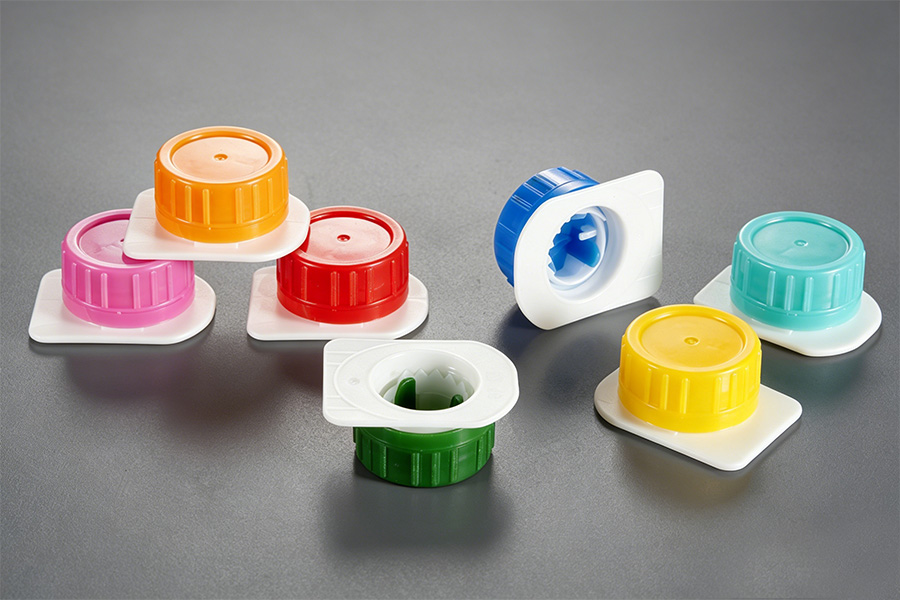
Cap color, texture, and form factor are increasingly being used as brand differentiation tools. DreamCap is available in a wide range of colors and can be produced with brand-specific shapes and surface finishes within the constraints of Tetra Pak's manufacturing process. Several premium brands have used distinctive DreamCap colors — matte black for premium dark chocolate milk, forest green for organic ranges, cobalt blue for premium water-enriched beverages — to build immediate visual product recognition on shelf. As digital printing technology advances, on-cap graphics and variable data printing on closures will become feasible, opening further personalization possibilities.
How Brand Owners Select and Specify DreamCap: A Practical Guide
For brand owners and product developers new to carton packaging, selecting the appropriate DreamCap variant and specifying it correctly is a process that benefits from close collaboration with Tetra Pak's application engineering teams. The following overview summarizes the key steps and considerations.
Step 1: Define the Product and Packaging Requirements
The starting point is a clear specification of the product (viscosity, pH, fat content, temperature sensitivity, shelf life requirement), the target package format (volume, shape, distribution temperature), and the commercial requirements (premium vs. mainstream positioning, sustainability targets, cost budget). These parameters determine which carton format and which DreamCap variant are appropriate.
Step 2: Engage Tetra Pak's Application Engineering Team
Tetra Pak has application engineers in every major market who support brand owners in selecting the correct packaging and closure system. These engineers review the product specification, recommend appropriate DreamCap variants, and provide indicative cost and sustainability data including lifecycle assessment comparisons with alternative specifications.
Step 3: Process Qualification
Once a DreamCap variant is selected, the cap application process must be qualified on the relevant filling line. This involves a series of validation trials — measuring seal integrity, cap application torque, tamper evidence performance, and aseptic integrity — to confirm that the cap performs as specified in the brand owner's production environment. Tetra Pak supports this qualification through its field service network.
Step 4: Market Launch and Consumer Testing
Prior to commercial launch, many brand owners conduct consumer usability tests with DreamCap-equipped prototypes to validate the user experience and gather feedback. Tetra Pak's consumer research teams can support this process, and their global database of consumer research data on DreamCap performance provides useful benchmarks for evaluating local consumer responses.
- Define product and packaging requirements in detail
- Engage Tetra Pak application engineers for variant recommendation
- Select DreamCap variant and carton format
- Commission process qualification on filling line
- Complete food safety and regulatory compliance review
- Conduct consumer usability testing
- Launch commercially with post-launch monitoring program
DreamCap and Food Waste Reduction: An Underappreciated Benefit
One dimension of DreamCap's value that receives less attention than consumer convenience or sustainability credentials is its contribution to reducing food waste. Food waste is a critical global challenge — the United Nations Food and Agriculture Organization (FAO) estimates that approximately one-third of all food produced globally is lost or wasted, with significant environmental, economic, and social consequences. Packaging plays a complex role in this problem: on one hand, packaging material is itself a resource that must be managed sustainably; on the other hand, good packaging prevents far more food waste than the packaging material itself represents.
DreamCap's contribution to food waste reduction operates through several mechanisms. First, reliable resealability prevents premature spoilage of partially consumed cartons. A carton of milk or juice with a well-performing reseal cap will maintain its quality for several days longer than the same product in a carton with a damaged or inadequate seal — a directly measurable impact on in-home food waste. Second, the tamper-evident feature reduces retailer disposal of compromised stock: with a DreamCap-equipped package, a retailer can immediately identify whether a package has been opened, whereas a package with a conventional opening may not reveal tampering until a consumer opens it at home.
A lifecycle analysis conducted by the Swedish Environmental Research Institute (IVL) for Tetra Pak found that the food waste prevention benefit of a 1-liter DreamCap-equipped ambient milk carton over its expected in-home use cycle is equivalent to 3.2 times the carbon footprint of the DreamCap closure itself — meaning the cap avoids significantly more greenhouse gas emissions through food waste prevention than it generates in its own production. This analysis reinforces the holistic case for premium closure investment and challenges simplistic approaches to sustainability that consider only the environmental footprint of packaging materials in isolation.
Summary: Why DreamCap Matters in the Modern Packaging Industry
DreamCap is not simply a plastic cap on a milk carton. It is a precisely engineered, extensively validated, globally deployed packaging system component that embodies decades of Tetra Pak's research into consumer behavior, food safety science, materials engineering, and sustainability. As Tetra Pak's officially defined and trademarked DreamCap™, it occupies a unique position as both the market-leading premium closure in the aseptic carton segment and the reference standard against which alternative carton closure systems are measured.
For brand owners in dairy, juice, plant-based beverages, and liquid food categories, DreamCap offers a combination of consumer experience improvement, food safety assurance, sustainability credentials, and commercial value that is difficult to replicate with alternative closure systems. The economics of DreamCap adoption, when assessed holistically, typically favor the investment — particularly in premium and mainstream consumer categories where brand equity, retail relationships, and sustainability commitments are all at stake.
For the packaging industry more broadly, DreamCap's evolution — from a simple improvement on conventional carton openings to a sophisticated, digitally enabled, bio-based, recyclable closure system — illustrates the depth of innovation that continues to occur in what might appear from the outside to be a mature and static industry. The journey of DreamCap is far from complete. As consumer expectations evolve, as circular economy regulations tighten, and as sustainability imperatives intensify, Tetra Pak will continue to invest in DreamCap's development, ensuring that this small but consequential component continues to deliver meaningful value at global scale.
In short: DreamCap matters because it sits at the intersection of consumer experience, food safety, sustainability, and commercial performance in one of the world's largest and most consequential industries — liquid food packaging. Understanding it is essential for anyone working in or engaging with modern packaging, dairy, beverage, or consumer goods markets.